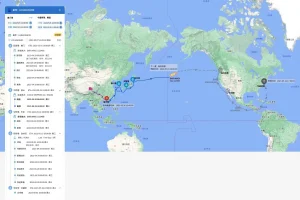
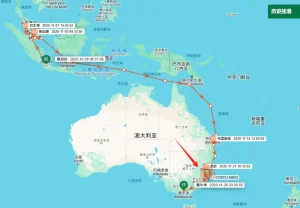
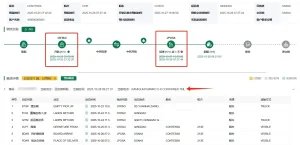
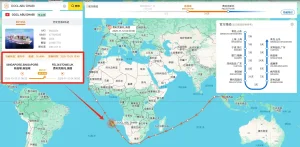
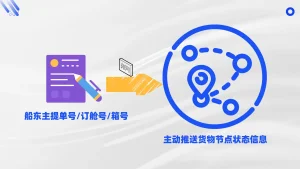
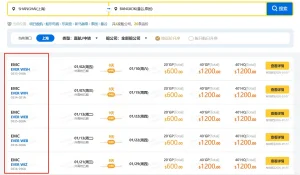
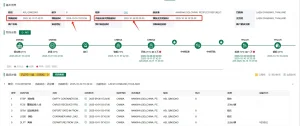
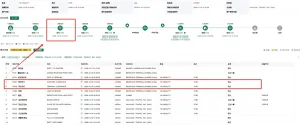
In the highly volatile theater of international trade, traditional logistics monitoring mechanisms are no longer sufficient. Legacy platforms focused on container-level tracking (identifying only the metal box moving through the network) fail to address the core unit of commercial operations: the Purchase Order (PO). PO Cargo Tracking connects the granular SKU-level data directly to physical transit updates, creating an unbroken operational thread from raw materials sourcing to the buyer’s shelf.
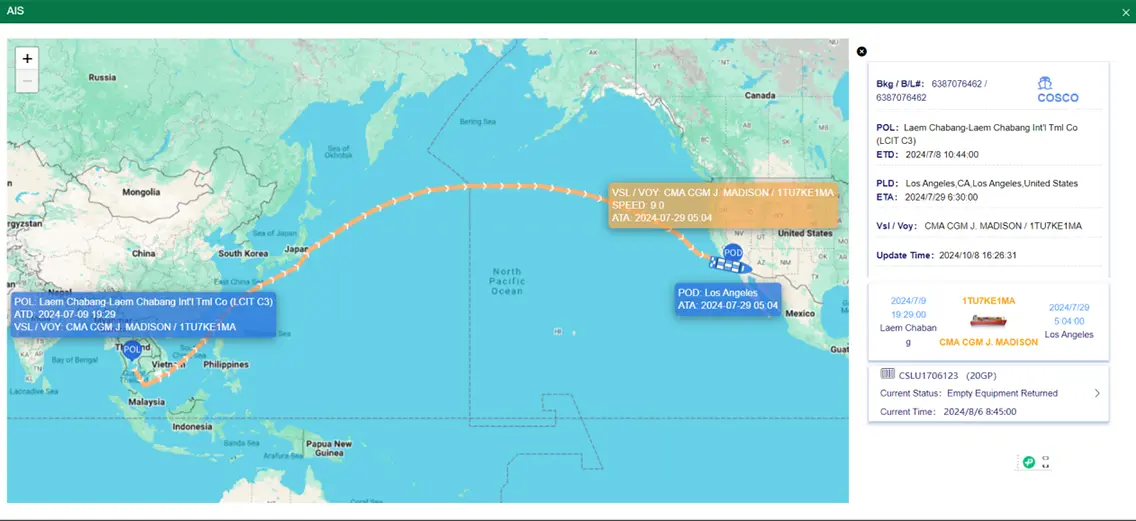
Today's global business ecosystem, driven by multi-layered supply constraints, requires actionable insights. If a shipment containing critical high-demand electronics and standard consumer sundries undergoes a port delay, a procurement manager must immediately know exactly which POs and customer order numbers are impacted. Integrating digital AIS (Automatic Identification System) signals and terminal management databases straight into localized ERP platforms elevates basic track-and-trace metrics into automated operational decisions.
Global logistics corridors are facing unprecedented challenges. Geological bottlenecks, escalating tariffs, sudden maritime lane revisions, and labor strikes at core international discharge nodes require agile, predictive mitigation. Without end-to-end tracking, downstream enterprises must resort to excessive safety stock buffers, tying up precious working capital. Modern enterprises are moving away from reactive tracking models toward proactive exception management, where discrepancies are identified days before a vessel arrives.
Cross-referencing global ocean container data with internal billing lists matches raw freight movements to physical cargo inventory values. Teams can plan warehousing operations around incoming products rather than unvouched containers.
Utilizing weather forecasting, historical vessel velocities, and port dwell times, the Trackingeyes system identifies potential delays well before traditional carrier updates are broadcasted.
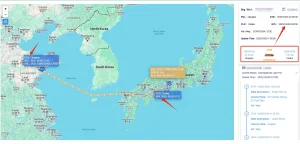
A single, unified interface aggregates shipping line EDI updates, AIS visual telemetry, customs clearance feeds, and last-mile trucking data into a single point of truth.
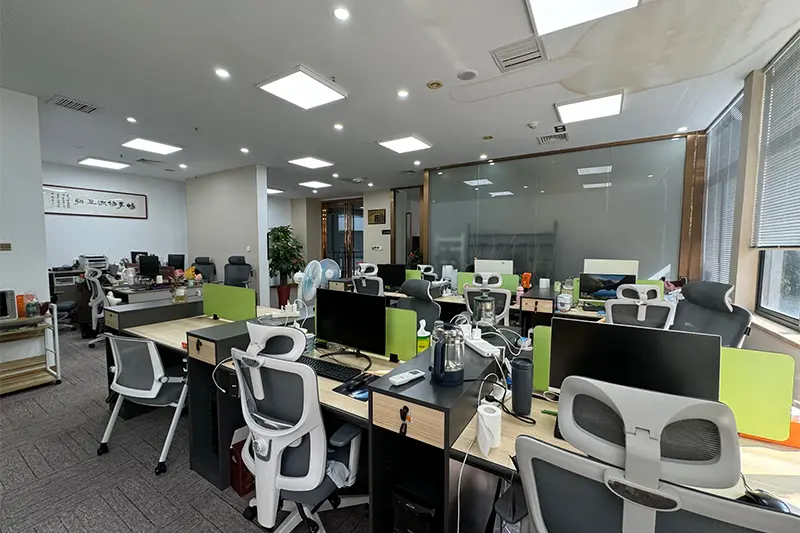
China plays a dual role in global supply chains. In addition to being the world's primary export engine, it has emerged as a premier hub for logistics hardware production and enterprise SaaS innovation. The proximity of manufacturing facilities to massive coastal ports (such as Ningbo-Zhoushan, Shenzhen-Yantian, and Shanghai) allows local technology providers to test and integrate hardware-level AIS transmitters and IoT data loggers directly in active shipping environments.
This deep industrial integration ensures software platforms built in this ecosystem maintain direct, low-latency connections to primary port terminals and regional customs authorities. Chinese software engineering ecosystems deliver reliable open APIs capable of managing billions of request volumes with high resilience. For global organizations, choosing a technology provider embedded within this dynamic manufacturing region provides significant data quality advantages.
Implementing real-time PO tracking varies across industries and regions. Below are three localized case scenarios highlighting how end-to-end data visibility addresses operational bottlenecks:
Import shipments destined for inland North American distributions rely heavily on complex rail connections. PO cargo tracking links maritime bill of ladings directly to rail sensor telemetry, mapping transit times across congested inland terminals like Chicago or Memphis.
Strict container turnaround requirements at major ports (Rotterdam, Antwerp, Hamburg) can quickly lead to costly demurrage charges. Continuous monitoring of container movements and customs release statuses helps warehouse coordinators plan pickup times before port penalties accumulate.
Electronics and industrial machinery manufacturers rely on a steady flow of sub-assemblies across regional borders. Consolidating raw material statuses, ocean schedules, and land border crossings into a single dashboard reduces assembly line downtime and improves production scheduling.
The future of cargo tracking lies in deep integration. Modern enterprise procurement teams require services that extend beyond basic public websites. Key requirements include:
Today's operations depend on high data availability. System architectures must support RESTful API environments with verified uptime guarantees, complete JSON payloads, and automated webhooks that alert internal software systems as deviations occur.
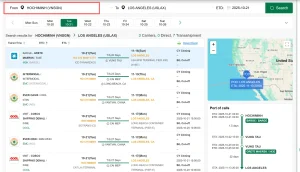
Standard ocean carrier timelines are frequently inaccurate. Advanced algorithms process millions of vessel movement datapoints to generate independent, unbiased ETA predictions, helping logistics teams coordinate land transportation and labor with greater confidence.
Global supply chains are rarely simple. The modern standard demands a unified portal where air freight APIs, maritime AIS coordinates, rail node updates, and domestic delivery tracking are managed side-by-side.
Founded in 2015, Trackingeyes is a leading provider of global end-to-end logistics tracking and supply chain visualization solutions. With a founding team boasting over ten years of logistics expertise, we deeply understand industry pain points. We specialize in global end-to-end cargo tracking by sea and air, serving thousands of import and export enterprises worldwide. Our services include customizable tracking solutions and open API data interfaces to enhance supply chain visibility and operational efficiency.
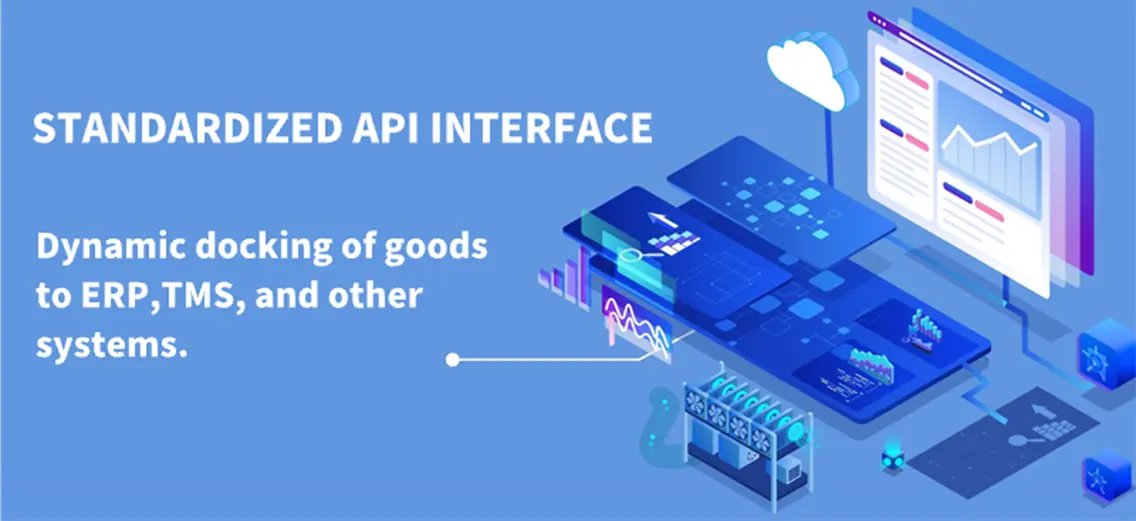
Through API interface integration, the dynamics of goods can be automatically written back to internal systems and customer service systems of the enterprise, assisting global logistics enterprises, supply chain enterprises, cross-border e-commerce enterprises, software platforms and other enterprises to achieve more efficient and refined goods tracking management, and to do risk control and prediction in advance.
Trackingeyes: Reliable Ocean & Air Cargo Tracking for a Smoother Supply Chain
Unlock end-to-end visibility with our trusted tracking platform. We bring proven reliability to both ocean and air cargo tracking, giving you the accurate data and control needed to streamline operations from port to runway.
Contact UsExplore answers to technical and operational questions regarding PO cargo tracking systems and data integrations:
 Trackingeyes