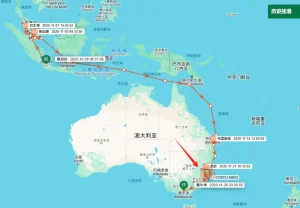
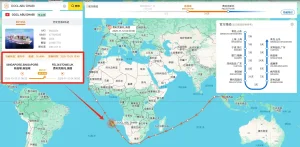
Connect to robust tracking layers and schedule-matching APIs. Enhance enterprise visibility, streamline loading estimations, and safeguard operational compliance.
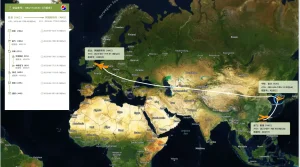
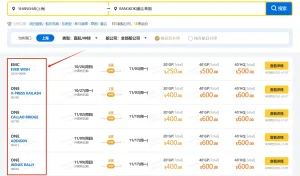
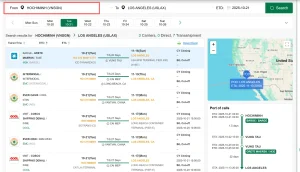
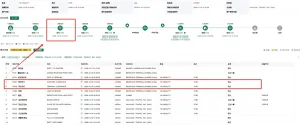
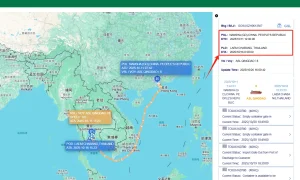
Founded in 2015, Trackingeyes is a leading provider of global end-to-end logistics tracking and supply chain visualization solutions. With a founding team boasting over ten years of logistics expertise, we deeply understand the critical bottlenecks and visibility black holes in international freight forwarding.
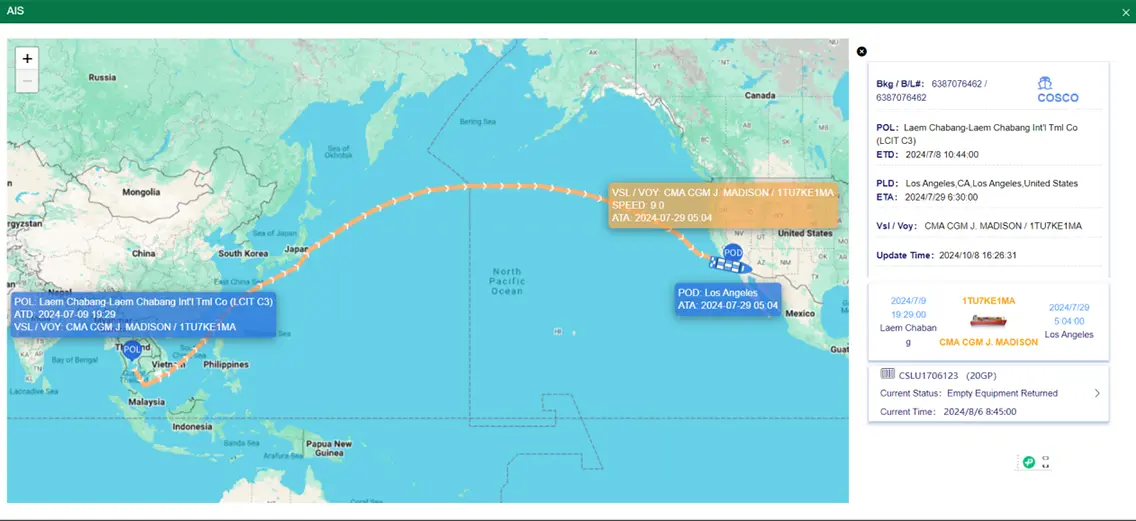
The platform achieves full-chain data coverage from the source to the final mile terminal. We aggregate diverse logistics information from multiple data pipelines, including shipping stations, container terminals, customs clearing houses, ocean carriers, and commercial airlines. This ensures our customers can rapidly integrate with hundreds of global data structures, upgrading operations to a more refined and intelligent standard.



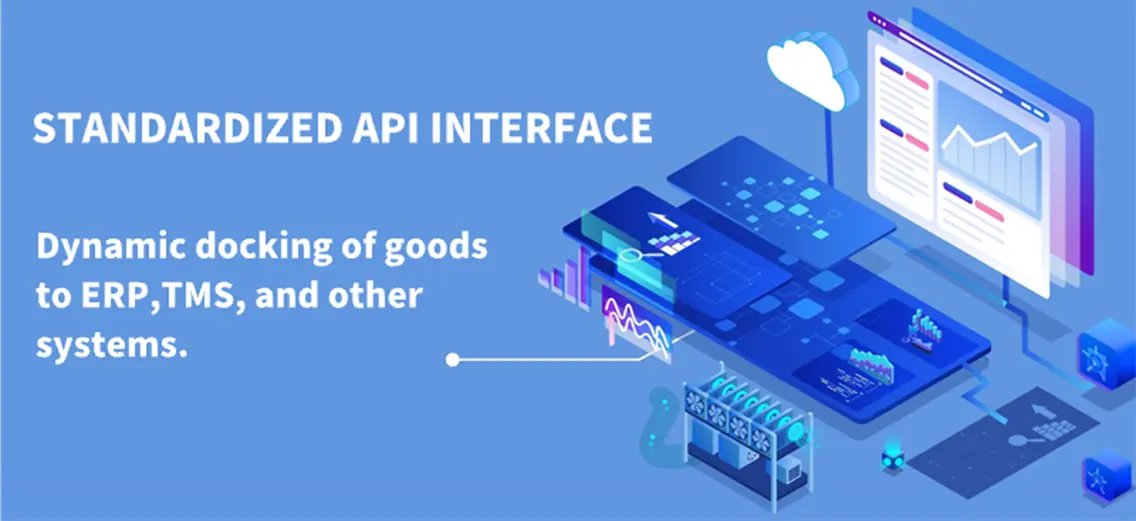
"Through our advanced API interface integration, cargo dynamics are automatically written back to internal systems (ERP/TMS) and customer service platforms, enabling cross-border entities to implement preemptive risk mitigation."
Dynamic Enterprise Integration
Helping software vendors, freight forwarders, and logistics operators scale up predictive analytics. The integration of customs and terminal API pipelines ensures zero friction from port of origin to point of delivery.
Established Year
API UPTIME GUARANTEE
AIR CARRIER INTEGRATIONS
MONTHLY QUERIES RESOLVED
In the highly volatile modern trade environment, high-velocity logistics demand more than simple point-to-point shipping; they require absolute transparency. Over the past decade, supply chains have shifted from static models to real-time predictive ecosystems. According to industry intelligence, over 80% of enterprise logistics managers view data accuracy and real-time visualization as critical vectors for operational success.
Traditional air freight tracking systems, which relied heavily on manual data updates and emails, are no longer sufficient. Modern air logistics operate on extremely thin margins of time. With cargo airplanes traveling thousands of miles in hours, a three-hour delay in milestone notification can cause missed connection flights, demurrage charges at destination terminals, and production shutdowns at manufacturing sites. High-quality air tracking quotes and services have thus evolved from basic operational necessities to strategic corporate assets.
At Trackingeyes, we bridge this gap. By utilizing direct integrations with global air carrier APIs, ground handling systems, and local customs databases, our solutions offer real-time updates on a scale previously thought impossible. Our service portfolio addresses the immediate demand for accurate freight information, facilitating predictive disruptions control and mitigating shipping risks before they propagate downstream.
The core mechanism of a reliable air tracking system relies on multi-source data harmonization. Trackingeyes combines raw data feeds from disparate global endpoints into a unified API structure. The graphic below explains our structured technical pipeline:
Direct EDI connections, flight radars, and carrier REST APIs feed raw cargo updates (AWB status, milestones, airport transfers) into our gateway engine.
Raw text payloads from varying cargo XML languages are normalized. Conflicting status reports are filtered through AI validation to output clean events.
Our predictive algorithms forecast delay anomalies (e.g. airport backlogs, weather halts) and serve calculated ETA updates through highly stable APIs.
To deliver high-quality data integration, the Trackingeyes API processes standard IATA milestones, converting raw aviation signals into actionable milestones for logistics departments. Key milestones tracked include:
The true utility of air tracking technology lies in localized operations. Let's analyze three critical application scenarios where high-quality tracking systems directly impact operational outcomes:
When shipping expensive components, cargo security and rapid delivery are crucial. An electronics manufacturer in China integrates Trackingeyes' API with their localized ERP. If the freight experiences a transit delay at a hub like Incheon (ICN) or Dubai (DXB), the API automatically alerts customs brokers at Frankfurt (FRA). By arranging pre-clearance and adjusting ground fleets dynamically, the manufacturer avoids expensive dock fees and keeps production lines running.
Biomedical cargo is highly sensitive to time and temperature deviations. Using sensor-integrated air tracking, shippers monitor real-time location and environmental indicators. The Trackingeyes platform aggregates temperature data alongside flight location. If an airport ground delay threatens cold storage limits, local operations teams receive instant notifications, enabling them to move cargo into active cooling chambers before spoilage occurs.
For modern automotive assembly plants, inventory buffer zones are minimal. A delay in the arrival of microchips or mechanical parts can halt production lines. Real-time air tracking API integrations provide manufacturers with hourly location updates. If a flight is delayed, the system automatically recalculates the ETA, allowing planners to adapt shifts and production schedules to minimize idle labor costs.
As the "factory of the world", China is central to global supply chain operations. Over the last decade, Chinese manufacturing hubs like Shenzhen, Ningbo, and Shanghai have evolved from low-cost assembly centers into sophisticated clusters of advanced manufacturing and technology development. This growth has highlighted the need for efficient logistics tracking to handle complex global supply chains.
Maintaining supply chain resilience requires immediate access to export status data. China's main air gateways—including Shanghai Pudong (PVG), Shenzhen Bao'an (SZX), and Guangzhou Baiyun (CAN)—handle millions of tons of cargo annually. Navigating these hubs requires integrated solutions that bridge factory-floor ERP systems and local customs processes.
Trackingeyes provides this connection. We interface directly with local customs and logistics pipelines, ensuring that export documentation, warehouse transfers, and customs clearances are tracked in real-time. This level of visibility helps businesses optimize inventory levels, decrease lead times, and maintain operational stability despite global logistics challenges.
Enterprise logistics solutions demand strict data security and compliance measures. At Trackingeyes, we prioritize regulatory compliance and operational security to build long-term, reliable relationships with our partners.
To help you understand dynamic tracking technologies and integration methods, we have compiled answers to common questions raised by our global partners and system architects:
Our platform runs incoming data through an AI-driven normalization engine. When conflicting timestamps occur (e.g., from EDI and flight transponder sources), our algorithms cross-reference flight radars and actual time of arrival data to display the most accurate status.
Yes. Trackingeyes REST APIs are designed for seamless integration with enterprise systems like SAP, Oracle, CargoWise, and custom-built TMS platforms, utilizing standard JSON data structures.
Our pricing is determined by monthly query volumes, the number of active integrations, and required service features. We offer scalable packages to ensure cost-efficient data retrieval for businesses of all sizes.
Integration times vary, but standard REST API implementations are typically completed within 3 to 5 business days using our developer documentation and pre-built sandboxes.
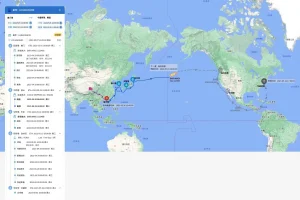
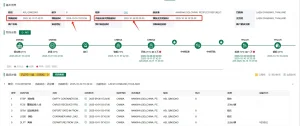
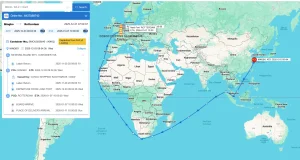
Connect cargo management across land, sea, and air. View our featured shipping and predictive APIs designed to streamline logistics operations.
 Trackingeyes