Real-time updates, AI predictions, and unified visibility APIs for global enterprises.
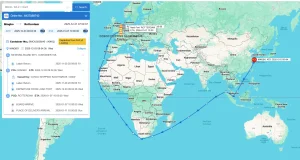
Founded in 2015, Trackingeyes is a leading provider of global end-to-end logistics tracking and supply chain visualization solutions. With a founding team boasting over ten years of logistics expertise, we deeply understand industry pain points. We specialize in global end-to-end cargo tracking by sea and air, serving thousands of import and export enterprises worldwide. Our services include customizable tracking solutions and open API data interfaces to enhance supply chain visibility and operational efficiency.
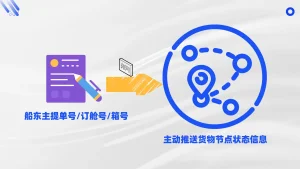
Through the Trackingeyes’ Platform, customers can quickly connect with hundreds of global data sources, greatly improving the efficiency and intelligence of logistics tracking. By consolidating logistics data from ports, container terminals, customs, airlines, shipping lines, and railway operators, we deliver clear, real-time insights that prevent costly delays.
Contact us

Providing high-precision tracking capabilities that global supply chains rely on daily.
In the modern, highly interconnected world of global commerce, supply chain disruptions represent multi-million dollar liabilities. "Af Cargo Tracking" (Air Freight Cargo Tracking) combined with ocean and multi-modal container tracking is no longer just a checkbox requirement for freight forwarding. It is a critical layer of business intelligence. This comprehensive document analyzes how global enterprises leverage real-time tracking, AI-powered predictive ETAs, and localized compliance architectures to achieve operational excellence, build supply chain resilience, and dramatically improve delivery reliability.
Air Cargo Tracking (often referred to as AF Cargo Tracking) deals with the highest-priority, time-sensitive shipments in a supply chain, such as pharmaceuticals, high-value electronics, and critical automotive components. The primary challenge of air cargo tracking lies in milestone fragmentation. Standard cargo status updates are often delayed because they rely on manual scans by air terminal staff, resulting in data lag when packages transition between trucking hubs, customs checkpoints, and the runway.
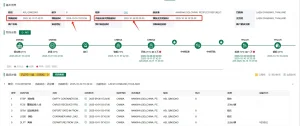
Trackingeyes solves this by integrating directly with airline operating systems via advanced APIs. By pulling structured IATA Cargo XML messages (such as FSU - Status Update, RCS - Received from Shipper, DEP - Departed, ARR - Arrived, RCF - Received from Flight, and DLV - Delivered) and correlating them with real-time flight telemetry (ADS-B satellite signals), we provide true real-time visibility. This methodology bypasses the latency of legacy EDI systems, delivering clean, actionable status alerts straight to enterprise ERPs.
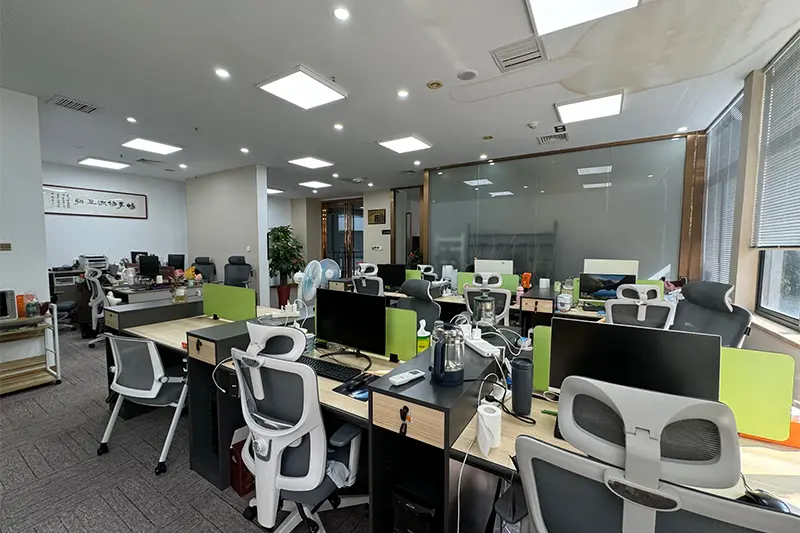
China continues to be the bedrock of global manufacturing and export infrastructure. However, a significant gap often exists between the production floor inside a Chinese factory and the destination port in North America or Europe. Trackingeyes serves as the critical bridge over this gap. Our localized presence within major Chinese supply chain clusters (such as the Greater Bay Area, Yangtze River Delta, and Bohai Economic Rim) allows us to offer unique advantages:
Enterprise procurement departments have moved away from basic tracking portals that require manual copy-pasting of Air Waybill (AWB) or Container numbers. Today's procurement demands focus heavily on:
Operating a global tracking network requires strict compliance with international data privacy laws and infrastructure security standards. Trackingeyes operates a robust multi-region infrastructure that conforms to strict global compliance frameworks, including the EU’s General Data Protection Regulation (GDPR), the California Consumer Privacy Act (CCPA), and China’s Personal Information Protection Law (PIPL). We ensure that while cargo movement data flows smoothly, personal and business-sensitive data is securely segregated and encrypted both in transit (using TLS 1.3) and at rest (using AES-256).
Furthermore, global operations require local expertise. We offer 24/7 technical and customer support in local time zones (North America, Western Europe, and East Asia) to resolve API connection challenges, troubleshoot carrier data mismatches, and assist in resolving transit anomalies immediately.
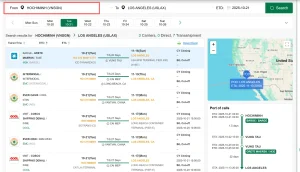
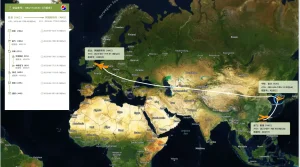
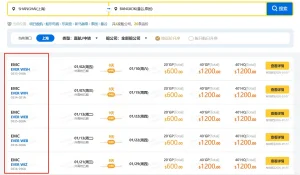
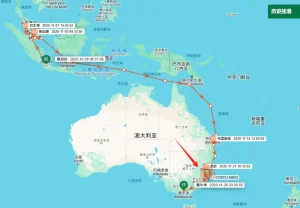
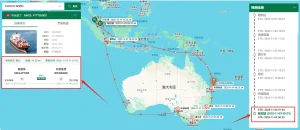
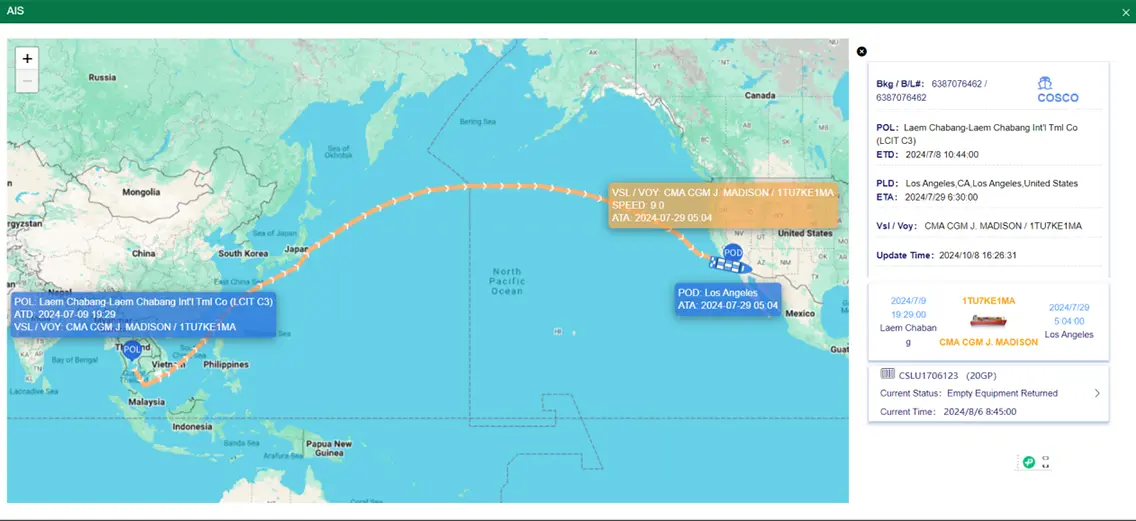
The logistics industry is transitioning from reactive tracking (knowing where a shipment *is*) to proactive prediction (knowing when it *will arrive*). Through our advanced Vessel AIS (Automatic Identification System) integrations and machine learning algorithms, Trackingeyes predicts port waiting times, berths, and travel duration under various weather conditions. This allows for highly accurate, dynamic ETA updates, effectively eliminating the operational blind spots that lead to warehouse bottlenecks, idle drayage trucks, and costly production line stoppages.
Enterprise-grade infrastructure designed for high-stakes supply chain visibility.
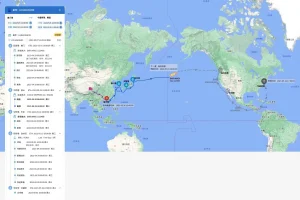
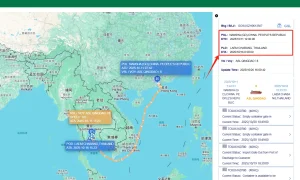
We blend terrestrial and satellite AIS data feeds to track ocean vessels continuously, ensuring you never lose visibility even in the middle of the ocean.
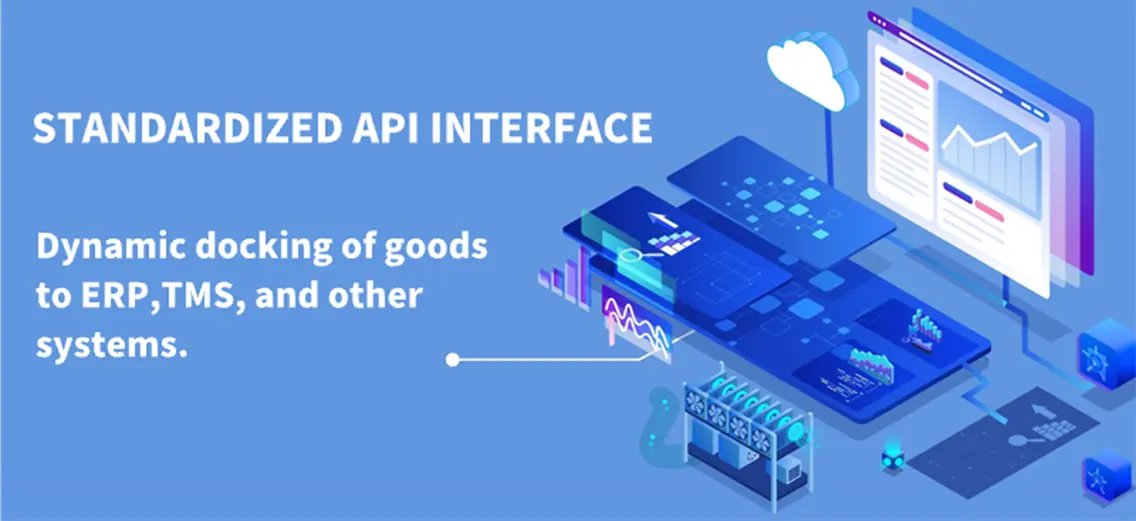
Our RESTful APIs and webhook systems deliver structured JSON cargo updates, making integration with SAP, Oracle, and cargo portals extremely easy.
Machine learning models analyze historical route patterns, congestion indexes, and weather forecasts to calculate precise arrival times.
Complete data segregation, CCPA/GDPR compliance, and 24/7 dedicated support across key trade regions ensure risk-free global operations.
How real businesses use Trackingeyes to optimize localized operations and mitigate transit risks.
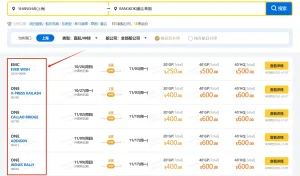
An automotive factory in Ohio imports key electronics and microchips via air freight from Shenzhen (AF Cargo Tracking) and heavy engine parts via ocean freight container shipping. By utilizing Trackingeyes' Port Opening Alert & Cut-off Tracking alongside the AI Ship Prediction system, the procurement team receives early warning alerts when a vessel carrying vital parts is delayed by harbor congestion. Consequently, the team can immediately pivot to premium air freight options, saving the company from shutting down assembly lines and avoiding heavy delay penalties.
A fast-fashion distributor in Germany manages high-volume shipments across the holiday season. Using the Integrated Air Freight Data API, the warehouse management system automatically knows when the cargo has been processed at Frankfurt Airport. Rather than keeping trucks and ground handling teams waiting idly for hours, resources are dispatched exactly when the cargo is cleared, decreasing demurrage expenses and lowering last-mile dispatch times by 22%.
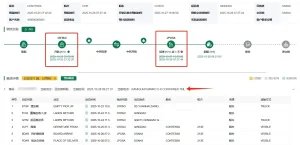
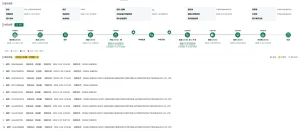
A multinational agricultural importer faces regular issues with cargo abandonment and container detention charges at destination ports due to missing or delayed documentation. By deploying the Trackingeyes Container Tracking Platform, alerts are triggered 48 hours prior to vessel arrival to remind custom brokers to submit documents. If the shipment fails to be cleared within 24 hours of landing, a high-priority "Cargo Pick-Up Failure" alert is dispatched to regional managers, preventing costly port storage and carrier detention penalties.
Expert answers to common queries regarding multi-modal tracking, integration, and data accuracy.
Explore our complete product line below for specialized air, ocean, and rail transport solutions.
Join thousands of global import and export enterprises using Trackingeyes to unlock automated, end-to-end multi-modal visibility and real-time AI predictions.
Get Started & Request API Access Trackingeyes