Explore our core API interfaces and container tracking components designed for enterprise integration.
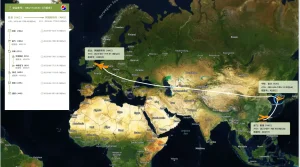
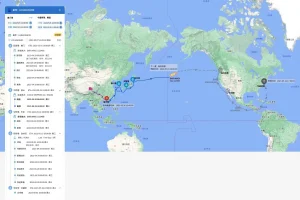
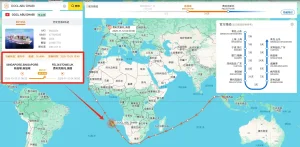
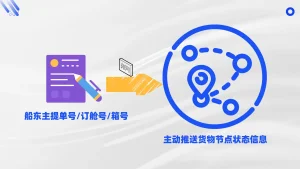
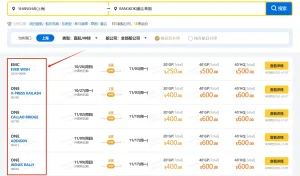
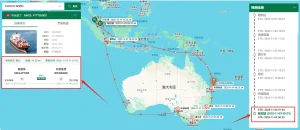
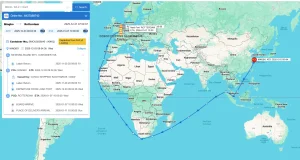
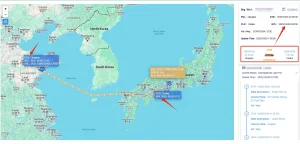
Global supply chains are navigating an era of unprecedented volatility. Geopolitical shifts, maritime route changes, capacity constraints, and sudden port congestions necessitate real-time insights over traditional guesswork. 126 Cargo Tracking represents the gold standard of end-to-end container visibility, capturing 126 crucial event milestones throughout the life-cycle of international freight.
By parsing signals from Automatic Identification Systems (AIS), carrier APIs, airport cargo terminals, and customs systems, our technology translates raw telemetric data into clear, actionable business intelligence. We address user search intent at the root: eliminating blind spots, predicting detention & demurrage risks, and accelerating container velocity.
Founded in 2015, Trackingeyes has evolved into a premier provider of global logistics tracking and supply chain visualization software. We cater to B2B procurement professionals, supply chain directors, and cross-border e-commerce networks who cannot afford to lose visibility of their inventory.
How semantic data consolidation is moving from reactive alerts to predictive automation.
Relying purely on ocean carriers leads to information delays of 12 to 24 hours. The future lies in fusing satellite AIS tracking, terminal gates data, and port scheduling systems to maintain one single source of truth.
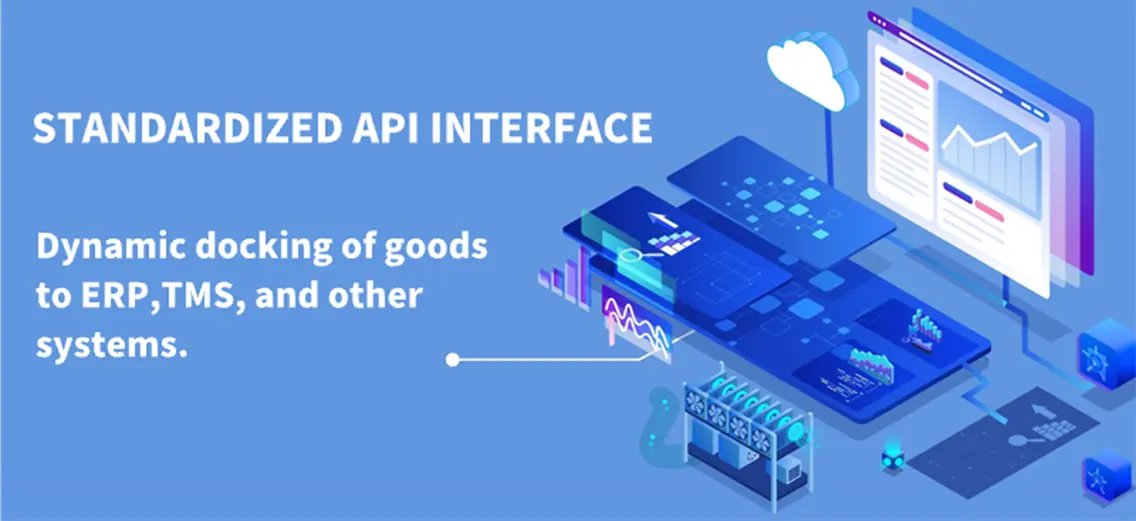
Enterprise players do not want another portal dashboard. They require automated JSON/REST APIs that dynamically pipe milestones (such as ATD, ATA, Port Release, and Customs holds) directly into SAP, Oracle, or proprietary setups.
With port congestion and driver shortages, cargo left at terminal yards incurs massive costs. Automated port opening alerts and cut-off monitors serve as preventative risk insurance for supply chain managers.
Global procurement teams face high stakes when selecting a logistics tracking vendor. Standard tracking solutions rely on periodic updates, leaving blind spots of up to 48 hours during transshipments. Our High-Quality 126 Cargo Tracking framework integrates satellite data, ground-level terminal operating software (TOS), and airline EDI messages to achieve unmatched visibility.
Whether you are an industrial trading entity upgrading to an ERP intelligent visual engine, or a global manufacturer seeking to avoid container pickup failures at destination ports, having high-frequency milestone updates ensures your operations can pivot before delays translate into steep manifest penalties.
End-to-End Tracking Architectures Tailored for Ocean, Air, and Cross-Border Corridors.
Real-time ocean transit visibility powered by automated vessel schedule matching. Predict exact port opening alerts and cargo discharge windows to streamline destination chassis allocation.
Key Products: Vessel Schedule API, AIS Tracking, Container Milestones.High-speed air freight integrations mapping flight milestones from initial tender, takeoff, flight route updates, landing, and warehouse checkout. Reduce warehouse delays at target hubs.
Key Products: Integrated Air Freight API, Flight Status Monitors.Connecting ocean-to-road transitions. We monitor destination services, import customs approvals, quarantine holds, and intermodal railway transfers, bridging the critical cross-border 'Last Mile'.
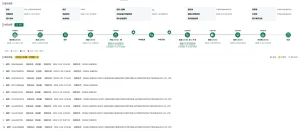
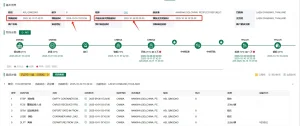
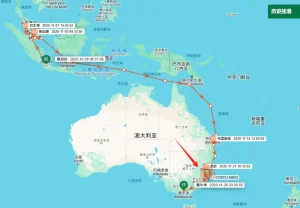
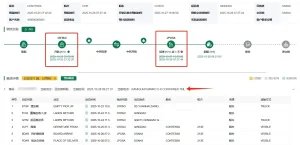
Key Products: Destination Port Services Integration, Customs Alert APIs.Operational snapshots illustrating how our platform monitors and structures visual data for hundreds of millions of client shipments.



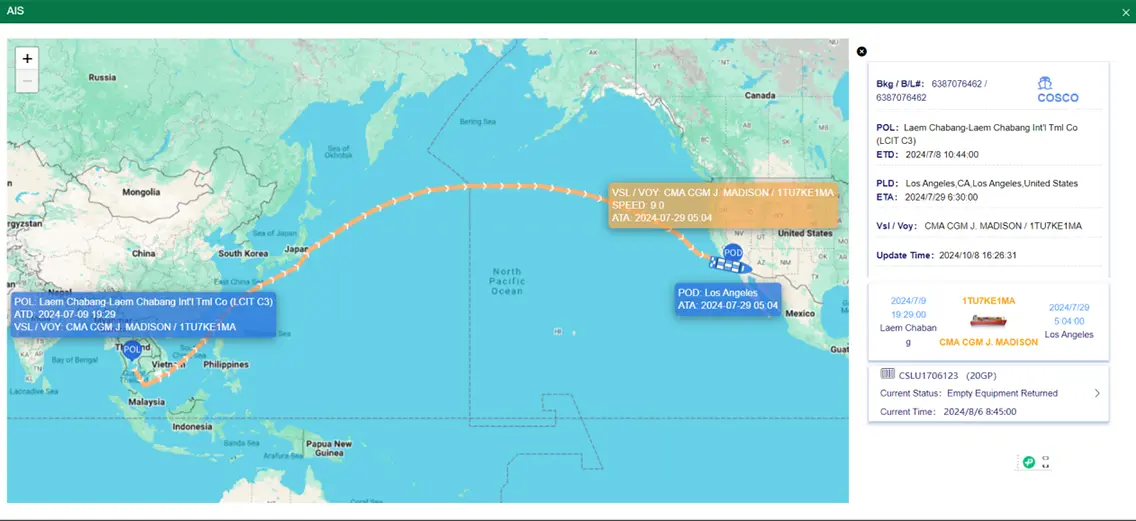
Pioneering tomorrow's automated supply chains through AI and advanced telemetric integration.
Upgrading predictive arrival models by correlating vessel metrics with real-time port berth queuing durations and seasonal weather patterns.
Dynamic, autonomous monitoring of carrier schedule shifts to instantly flag changes, helping shippers renegotiate slots in real-time.
Launching autonomous API nodes that monitor flight transponders, satellite AIS, and regional customs filings to flag exceptions before they happen.
Deploying visibility solutions at scale requires adherence to strict global standards. Our system operates under tight security controls, ensuring that all API payload data, vessel movements, and bill of lading documents are stored securely and remain accessible only to verified clients.
Whether dealing with cross-border trade guidelines, customs data interfaces, or localized warehouse standards across EU, US, and APAC regions, Trackingeyes ensures compatibility and regional server speeds. Our technical integration team provides round-the-clock developer support, assisting your engineers through API onboarding, data format mappings, and high-frequency webhook configurations.
Expert technical and operational insights into standard cargo tracking integration and API processes.
Standard cargo tracking relies on manual container status declarations directly from carriers, which are often delayed or incomplete. Our 126 Cargo Tracking system aggregates satellite and land-based AIS signals, terminal operation data, and airport EDI nodes to provide high-frequency, validated milestone updates.
We provide a standardized RESTful API returning JSON responses. It easily integrates into industry systems like SAP, Oracle, CargoWise, or customized TMS platforms. System developers can quickly test integration schemas using our comprehensive developer center.
Yes. Trackingeyes uses AI algorithms that process historical port congestion data, vessel speeds, marine traffic conditions, and seasonal weather patterns to forecast ETA shifts and flag potentials for port clearance delays.
By sending real-time alerts for crucial milestones such as port discharge, customs release, and empty return windows, shippers can align drayage carriers and chassis allocations beforehand to avoid costly container pickup failures.
Seamlessly link your supply chain nodes with our enterprise solutions.
 Trackingeyes