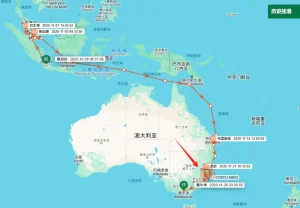
Pioneering real-time global monitoring from container updates to vessel AIS visualization.
In the hyper-dynamic environment of modern supply chains, the Air Waybill (AWB) remains the single most critical contract of carriage in the aviation shipping industry. Established under the International Air Transport Association (IATA) framework, the transition from traditional, paper-based AWBs to digital electronic Air Waybills (e-AWBs) has fundamentally revolutionized transcontinental trade. Over 90% of global air transport transactions are now executed through digital systems, which streamline logistics handovers, reduce processing overheads, and dramatically lower the frequency of communication blockages between airlines, customs authorities, and downstream distributors.
As air cargo costs scale dynamically based on market capacity, volumetric weight metrics, and geopolitical fuel charges, managing documentation efficiently translates directly to structural cost leadership. A single error on a standard paper airway bill can result in multi-day customs holds at major hub airports like Frankfurt, Hong Kong, or Memphis, resulting in severe financial penalties and compromised vendor SLAs. By moving toward a standardized digital architecture, enterprise shippers can establish integrated pipelines that dynamically trigger customs filings and secure instant landing clearances.
The international air cargo landscape faces unprecedented pressures. Consumer demands for next-day cross-border deliveries—fueled by the explosive rise of direct-to-consumer (DTC) models—require high-frequency air operations. Simultaneously, high-value industries like biopharmaceuticals, high-precision semiconductor wafers, and aerospace equipment mandate absolute climate consistency and micro-level environmental tracking. The Air Waybill serves as the digital backbone of this tracking workflow.
Standardization protocols, including the Cargo XML messaging standard, guarantee seamless cross-system messaging between legacy enterprise platforms and modern cloud APIs.
Going paperless with e-AWB saves tens of thousands of tons of paper annually, aligning major logistics companies with global ESG mandates.
Digital tracking mitigates the risk of cargo impoundment. Digital airway bills ensure absolute verification of shipping details for compliance checking.
As the world's primary manufacturing engine, China's logistical infrastructure plays a critical role in global commerce. The efficiency of a factory is no longer measured solely by the volume of goods it produces, but by the speed at which those goods exit the production floor and clear airport customs. China's integration of IoT sensors, ERP automated systems, and high-frequency airway billing interfaces has set a new benchmark for export latency.
At manufacturing hubs in Shenzhen, Dongguan, and Suzhou, systems like Trackingeyes bridge the gap between factory production lines and airport customs. Automated platforms convert manufacturing dispatch documents directly into valid airway bill numbers. As a result, cargo can be pre-cleared for transit prior to arrival at airport loading bays, reducing terminal bottlenecks.
Direct database connections to customs authorities at major hubs (PVG, SZX, CAN) enable pre-arrival processing, reducing typical container dwelling times by up to 36 hours.
Inland consolidation facilities employ AI algorithms to group small-batch manufacturing outputs into standardized, master airway bills, saving significant costs for SMEs.
Founded in 2015, Trackingeyes is a leading provider of global end-to-end logistics tracking and supply chain visualization solutions. With a founding team boasting over ten years of logistics expertise, we deeply understand industry pain points.
We specialize in global end-to-end cargo tracking by sea and air, serving thousands of import and export enterprises worldwide. Our services include customizable tracking solutions and open API data interfaces to enhance supply chain visibility and operational efficiency.
Through the Trackingeyes Platform, customers can quickly connect with hundreds of global data sources, including logistics information from various channels such as ports, terminals, customs, shipping companies, and airlines. This centralized approach dramatically improves the efficiency and intelligence of logistics tracking.



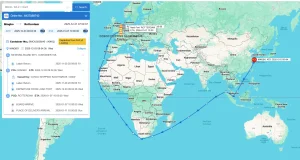
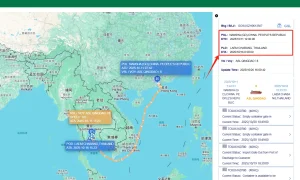
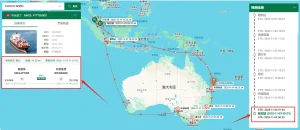
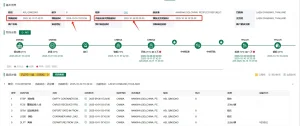
Unlock end-to-end visibility with our trusted tracking platform. We bring proven reliability to both ocean and air cargo tracking, giving you the accurate data and control needed to streamline operations from port to runway.
Through API interface integration, the dynamics of goods can be automatically written back to internal systems and customer service systems of the enterprise, assisting global logistics enterprises, supply chain enterprises, cross-border e-commerce enterprises, software platforms and other enterprises to achieve more efficient and refined goods tracking management, and to do risk control and prediction in advance.
Contact us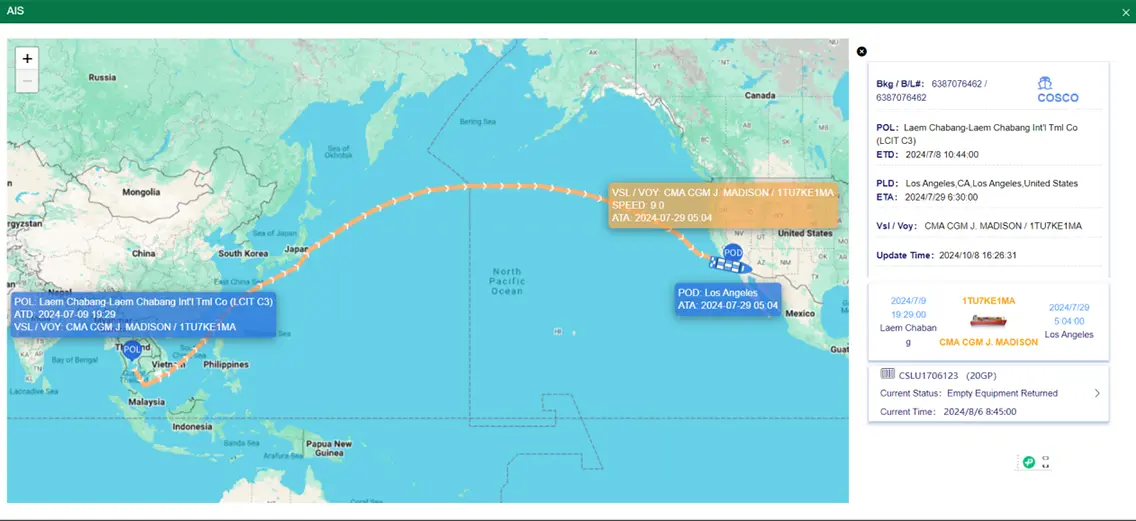
Dynamic air freight operations vary significantly depending on localized constraints and product categories. Below are three key scenarios where tracking precision is critical for business continuity:
With direct consumer shipments shipping daily from regional hubs, modern platforms require real-time tracking updates. Integrated tracking networks allow customers to monitor their packages continuously from transit center to final delivery.
For microprocessors and clean-room goods, security is as important as speed. Continuous air waybill tracking helps prevent loss and cargo theft, providing real-time alerts if a shipment deviates from its planned path.
For critical medicine and vaccine shipments, temperature deviations can ruin entire consignments. Combining air waybills with active temperature sensors ensures carriers can quickly respond to environmental changes during transit.
Logistics is moving rapidly toward fully autonomous tracking ecosystems. Emerging standards point to a future where manual updates are replaced by automated processes, allowing businesses to operate with higher speed and predictability.
By analyzing historical flight data, weather patterns, and airport congestion, artificial intelligence can predict arrivals more accurately than traditional scheduling models.
Decentralized ledgers provide an unalterable record of cargo ownership, custody handoffs, and customs clearances, reducing documentation disputes and fraud.
When evaluating suppliers for air cargo tracking and logistics solutions, enterprise procurement managers must look beyond simple price matrices. Key factors to consider include:
1. Data Quality and API Latency: Real-time APIs should deliver updates within minutes of flight changes. High latency delays customs planning and downstream trucking coordination.
2. Carrier Network Integration: Choose platforms that connect directly with major international airlines and regional couriers to avoid coverage gaps.
3. Dynamic Service Level Agreements (SLAs): Reliable tracking providers guarantee high platform uptime and offer responsive technical support to resolve data mismatches quickly.
Expert insights into regulatory frameworks, digital transformations, and system integrations.
An Air Waybill (AWB) is the master contract of carriage issued by the actual airline carrier, detailing the terms for airport-to-airport transport. A House Air Waybill (HAWB) is issued by a freight forwarder to individual customers, covering consolidated cargo. Both documents are digitalized under the e-AWB standard to ensure seamless tracking.
Resolution 672 establishes the legal framework for the electronic Air Waybill (e-AWB). It removes the requirement for paper documentation, reduces processing costs, and speeds up customs clearance, enabling faster handovers throughout the supply chain.
Yes. Trackingeyes provides open API interfaces that connect directly with major ERP and logistics platforms. This allows systems to receive automated ETA updates, customs alerts, and tracking data directly, improving operational control.
Digitalization saves an average of 24 to 48 hours in documentation processing and customs clearance. It helps prevent errors that lead to airport storage charges and delivery delays.
Explore more services for optimizing freight matching, tracking rail transits, and avoiding port delays.

 Trackingeyes