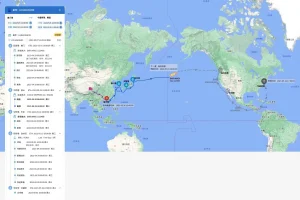
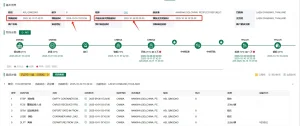
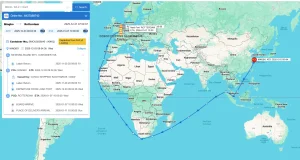
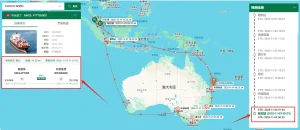
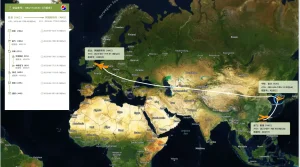
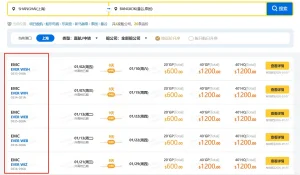
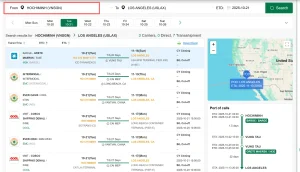
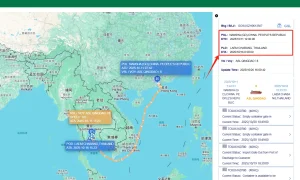
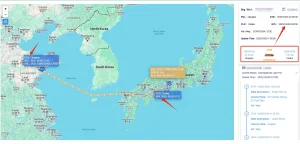
Unlock real-time data interfaces, automatic ETA updates, and high-precision maritime operations with our top-tier API modules.
In modern global trade, supply chain opacity is the single greatest driver of unexpected operational costs. As container fleets scale and macro-economic disruptions become the norm, leveraging Automatic Identification System (AIS) data is no longer an optional luxury—it is a baseline requirement for resilience. Dynamic systems powered by MarineTraffic AIS and integrated API platforms enable logistics managers, manufacturers, and cargo owners to shift from reactive mitigation to proactive, predictive orchestration.
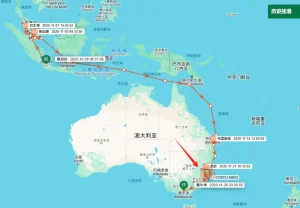
Historically, tracing ocean freight relied on manual milestone reporting from ocean carriers. These updates were often late, incomplete, or inaccurate. The emergence of vessel-based AIS transponders, combined with terrestrial and satellite receiver constellations, has ushered the global shipping sector into a true "Visual Era." Through continuous transmission of static, dynamic, and voyage-related data, maritime software systems can compute precise routes, track vessel speeds, map historical pathways, and provide real-time location streaming for ships traversing the open seas.
The contemporary maritime landscape is defined by tight regulatory requirements and high capacity pressure. Industry leaders are deploying AIS telemetry to monitor and reduce fuel consumption, calculate Carbon Intensity Indicators (CII) in accordance with International Maritime Organization (IMO) mandates, and coordinate just-in-time (JIT) arrivals to minimize anchorage wait times. Across key shipping corridors—from the Malacca Strait to the English Channel—real-time AIS data helps operators avoid navigation bottlenecks and adapt dynamically to port disruptions.
Moreover, modern port authorities leverage consolidated AIS streams to manage docking schedules, coordinate pilotage services, and optimize berth utilization rates. By integrating automated ETA data feeds with terminal operating systems, ports can streamline port-side drayage operations, effectively reducing truck dwell times and accelerating container throughput.
Combining land-based VHF receivers with orbital satellites to ensure seamless signal acquisition, even in deep-sea transit corridors where shore-based systems cannot reach.
Leveraging deep learning algorithms that process historical port congestion data, seasonal weather trends, and current vessel velocities to calculate accurate delivery times.
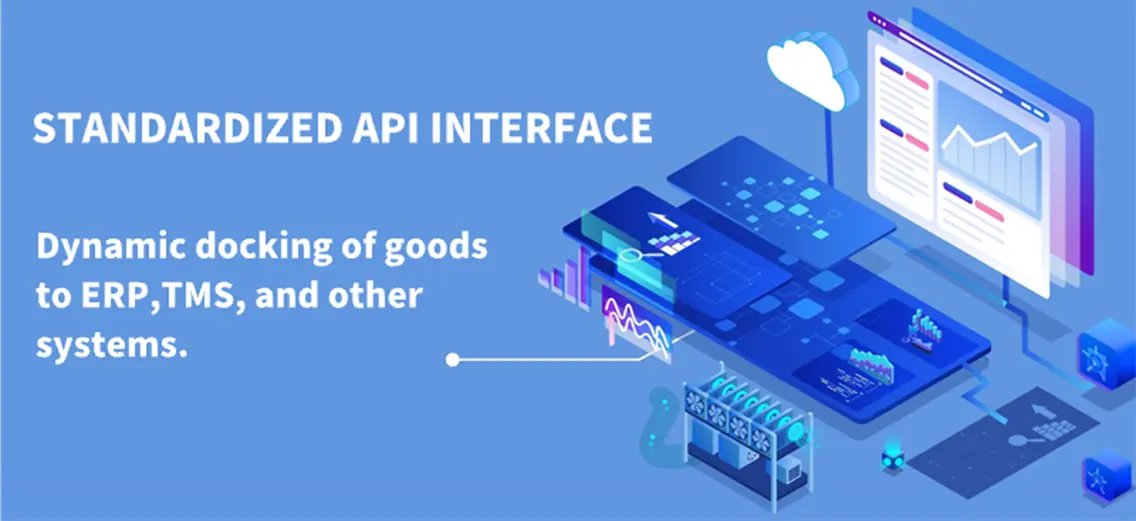
Delivering standardized, low-latency JSON data feeds that embed seamlessly into enterprise resource planning (ERP) systems, Transportation Management Systems (TMS), and custom customer portals.
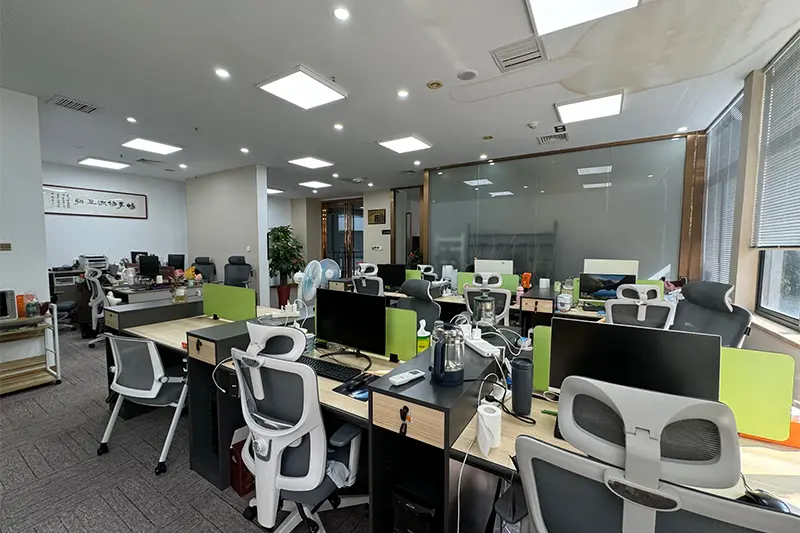
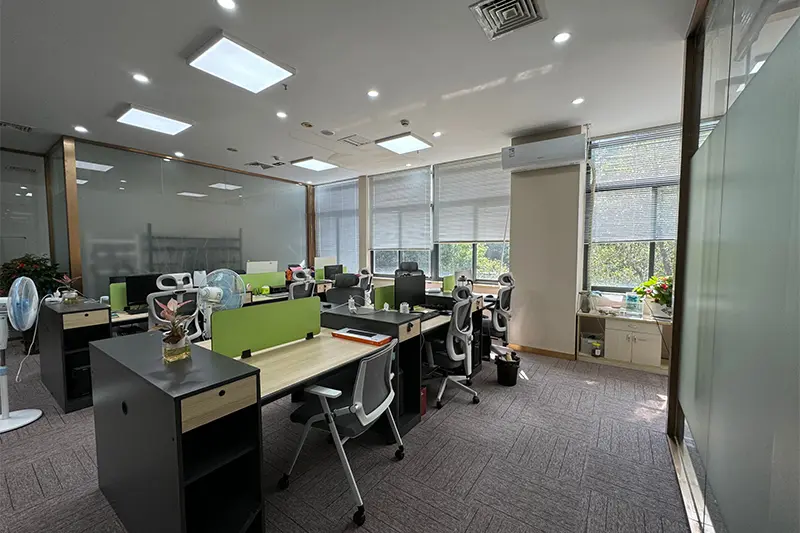
As detailed in our corporate profile, Trackingeyes (founded in 2015) has spent nearly a decade building specialized tracking architectures that bridge the gaps between shippers, carriers, and consignees. The founding team’s deep expertise in global maritime logistics led to the development of a unified platform that pulls data from over a hundred distinct global sources—including port terminals, customs authorities, shipping lines, and airline networks.
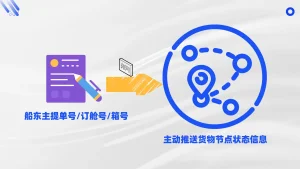
Through API-based system integration, Trackingeyes enables supply chain platforms, cross-border e-commerce vendors, and industrial enterprises to write real-time tracking data directly into their back-end systems. This capability reduces manual query work and automates risk control systems. Rather than waiting for a delayed shipment notification, logistics teams receive early warnings regarding missed port cut-off times, container rollovers, or destination port congestion, allowing them to redirect resources proactively.

The future of maritime logistics lies in data enrichment and autonomous event handling. Current technological developments focus on three primary areas:
Founded in 2015, Trackingeyes is a leading provider of global end-to-end logistics tracking and supply chain visualization solutions. With a founding team boasting over ten years of logistics expertise, we deeply understand industry pain points. We specialize in global end-to-end cargo tracking by sea and air, serving thousands of import and export enterprises worldwide. Our services include customizable tracking solutions and open API data interfaces to enhance supply chain visibility and operational efficiency.
The platform achieves full chain data coverage from the source to the terminal through the collection and aggregation of data sources, including logistics information from various data sources such as stations, terminal, customs, shipping companies, and airlines. Through the Trackingeyes’ Platform, customers can quickly connect with hundreds of global data sources, greatly improving the efficiency and intelligence of logistics tracking.
Trackingeyes: Reliable Ocean & Air Cargo Tracking for a Smoother Supply Chain. Unlock end-to-end visibility with our trusted tracking platform. We bring proven reliability to both ocean and air cargo tracking, giving you the accurate data and control needed to streamline operations from port to runway.
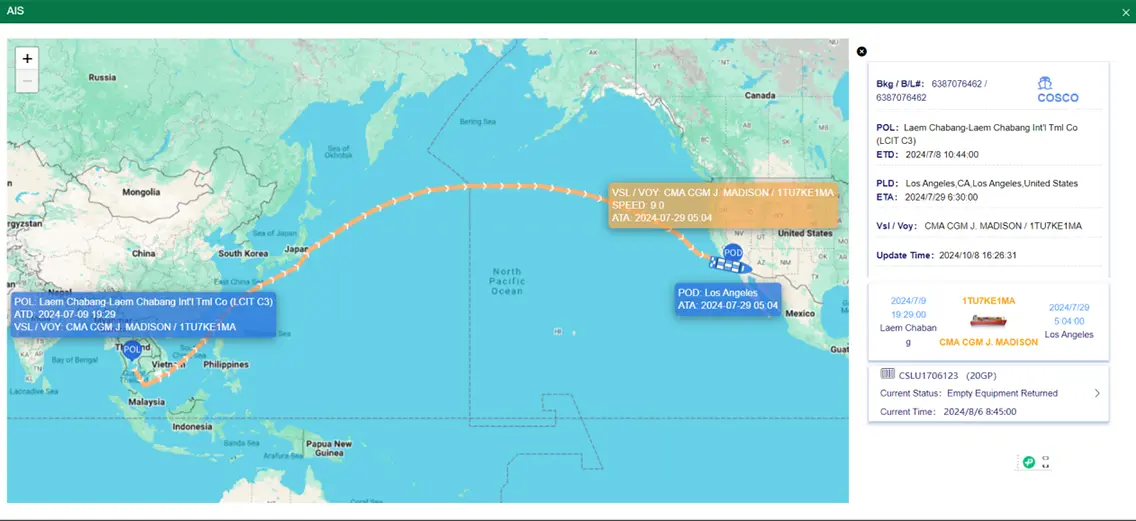
Enterprise clients run on different operating models, each requiring unique data structures to optimize logistics workflows. Key operational scenarios include:
Discover our comprehensive collection of tracking APIs and digital solutions designed to optimize your global operations.
 Trackingeyes