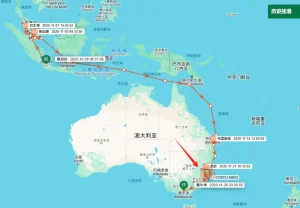
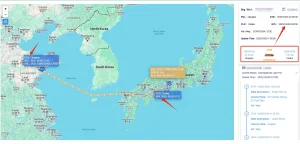
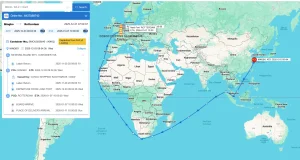
Select specialized telemetry options and systems configurations to deploy end-to-end cargo surveillance across global supply chains.
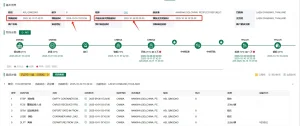
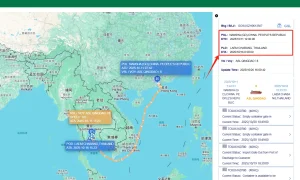
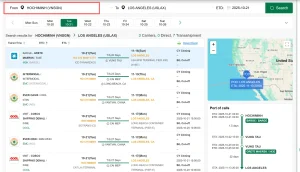
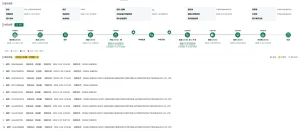
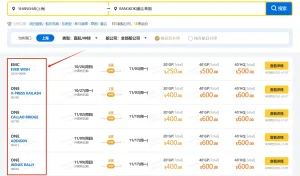
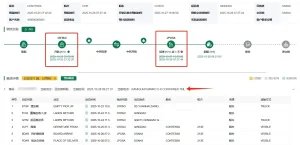
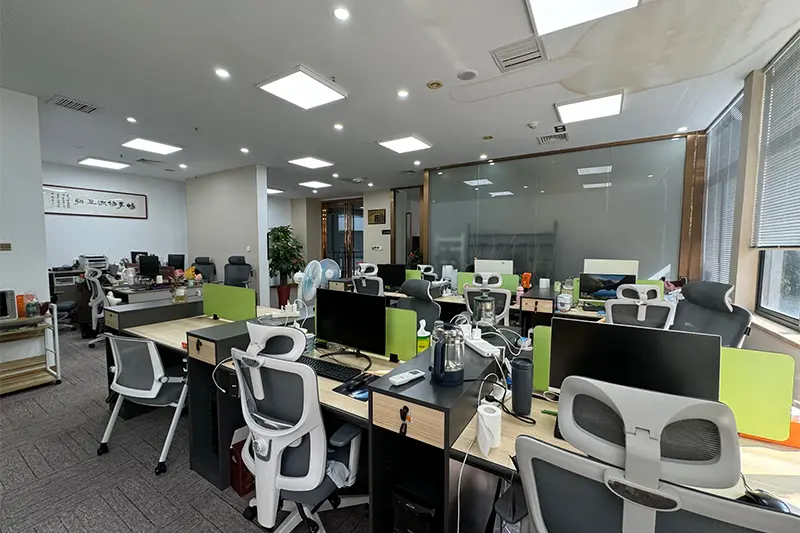
Founded in 2015, Trackingeyes is a leading provider of global end-to-end logistics tracking and supply chain visualization solutions. With a founding team boasting over ten years of logistics expertise, we deeply understand industry pain points. We specialize in global end-to-end cargo tracking by sea and air, serving thousands of import and export enterprises worldwide. Our services include customizable tracking solutions and open API data interfaces to enhance supply chain visibility and operational efficiency.
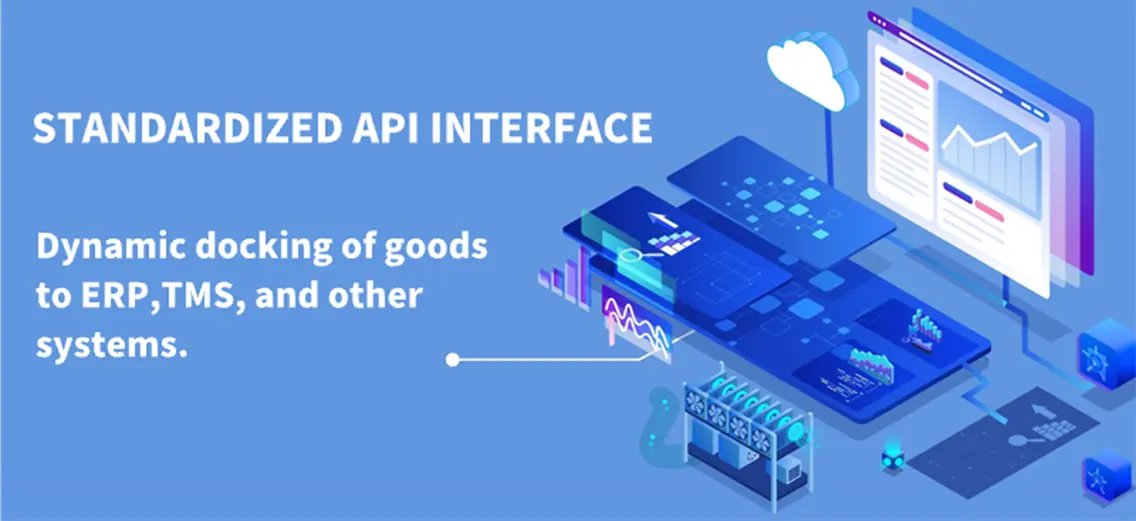
The Trackingeyes platform achieves full-chain data coverage from the source to the terminal through the collection and aggregation of data streams. By unifying logistics information from diverse nodes—including maritime stations, inland terminals, customs authorities, shipping lines, and global cargo airlines—we eliminate legacy visibility siloes. Through the Trackingeyes Platform, customers can quickly connect with hundreds of global data sources, greatly improving the efficiency and intelligence of logistics tracking. Through API interface integration, the dynamics of goods can be automatically written back to internal systems and customer service systems of the enterprise, assisting global logistics enterprises, supply chain enterprises, cross-border e-commerce enterprises, software platforms, and other industries to achieve more efficient and refined goods tracking management, and to execute risk control and predictive mitigation in advance.


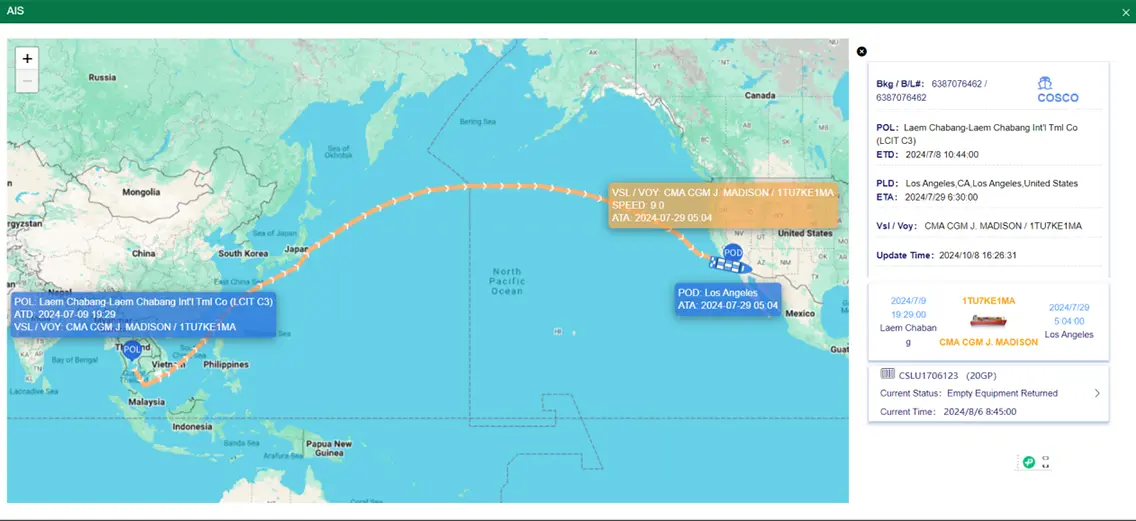
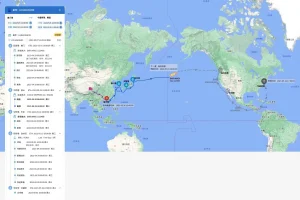
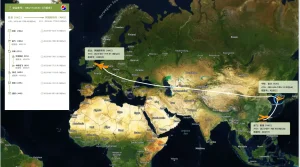
Global multi-modal corridors require more than simple node-to-node milestone updates. The integration of terrestrial AIS, satellite AIS, and airport telematics creates a continuous data mesh. By analyzing macro shipping patterns, Trackingeyes identifies structural bottlenecks before they compromise delivery timelines.
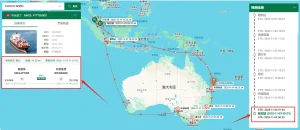
In maritime transport, our vessel schedules and auto-matching algorithms link ocean bills of lading (MBL/HBL) with active AIS tracks. For air freight, the integration of automated AWB tracking interfaces with air carrier systems allows real-time monitoring of status events, including terminal receipt, flight departure, and customs clearance. In North American and Eurasian rail sectors, tracking nodes connect transshipment yards directly to port container terminals, mitigating the common visibility gaps associated with multi-modal transfers.
Monitors port dwell times and yard utilization rates to anticipate container discharge delays, allowing logistics teams to reschedule drayage before fees accrue.
Maintains dynamic API connections to air carrier terminals, ensuring transfer procedures and handling sequences are monitored in real time.
Integrates with major rail operators to trace container transshipments across terminal points, minimizing blind spots in cross-border rail paths.
As logistics operations transition toward automated orchestration, our technology roadmap focuses on moving beyond reactive tracking to predictive decision-making. By combining machine learning with sensor networks, the Trackingeyes platform improves ETA accuracy and automates exception management.
Our ongoing research and development focuses on three primary innovations:
Resilient supply chains begin at the point of origin. Under the Industry 4.0 model, Chinese manufacturers integrate logistics systems directly with factory floors. When goods leave the production line, they are assigned to smart containers equipped with tracking devices, linking manufacturing schedules with export bookings.
This integration of factory output and container logistics reduces warehouse storage times and minimizes yard delays at key hubs like Shanghai, Ningbo, and Shenzhen. Automated scheduling APIs match production batches with vessel departures, optimizing space allocation and reducing booking cancellations.
Procuring tracking systems at scale requires flexible, transparent pricing models. Trackingeyes provides subscription plans tailored to transactional volume, API call frequencies, and hardware tracking options. The table below outlines our enterprise pricing structure for developers and procurement managers.
| Pricing Tier | Monthly Containers / AWBs | API Frequency Limit | Core Features Included | Estimated Monthly Cost |
|---|---|---|---|---|
| Starter / Pilot | Up to 500 | 60 requests / min | Standard Ocean/Air API, ETA Updates (4h refresh) | Contact Sales (Custom Quote) |
| Standard Growth | 500 - 5,000 | 300 requests / min | Dual AIS Tracking, Smart Port Opening Alerts | $0.45 per Container Tracked |
| Enterprise Pro | 5,000 - 25,000 | 1,200 requests / min | AI-based ETA Engine, ERP/TMS Webhooks | $0.30 per Container Tracked |
| Global Operator | 25,000+ | Unlimited (Dedicated Nodes) | Full Customization, IoT Hardware Integration, SLA | Volume Custom Pricing |
*Note: Hardware sensor options, temperature-controlled monitoring devices, and dedicated satellite AIS tracking intervals are priced separately based on project requirements.
Cross-border supply chains navigate complex regulatory environments. Ocean and air telemetry systems must secure, clean, and transmit data in compliance with international privacy and customs standards.
Our platform enforces GDPR-compliant data sanitization on all location telemetry. We secure cloud databases containing consignee and shipper details, encrypting all payload fields at rest and in transit. For customs compliance, tracking feeds align with international standards, supporting documentation workflows for C-TPAT, AEO, and local customs programs.
Find answers to common technical and operational questions regarding our tracking integrations and data structure.
Configure automated data feeds, AIS triggers, and API connections to manage logistics milestones across your network.
Connect with our engineering and integration support teams to evaluate our open APIs and pilot our real-time visibility solutions.
Request Demo & Pricing Matrix Trackingeyes