Direct access to state-of-the-art vessel AIS systems, integrated customs APIs, and end-to-end container monitoring nodes designed to scale global supply chain efficiency.
Founded in 2015, Trackingeyes is a leading provider of global end-to-end logistics tracking and supply chain visualization solutions. With a founding team boasting over ten years of logistics expertise, we deeply understand industry pain points. We specialize in global end-to-end cargo tracking by sea and air, serving thousands of import and export enterprises worldwide. Our services include customizable tracking solutions and open API data interfaces to enhance supply chain visibility and operational efficiency.
The platform achieves full chain data coverage from the source to the terminal through the collection and aggregation of data sources, including logistics information from various data sources such as stations, terminals, customs, shipping companies, and airlines. Through the Trackingeyes’ Platform, customers can quickly connect with hundreds of global data sources, greatly improving the efficiency and intelligence of logistics tracking.
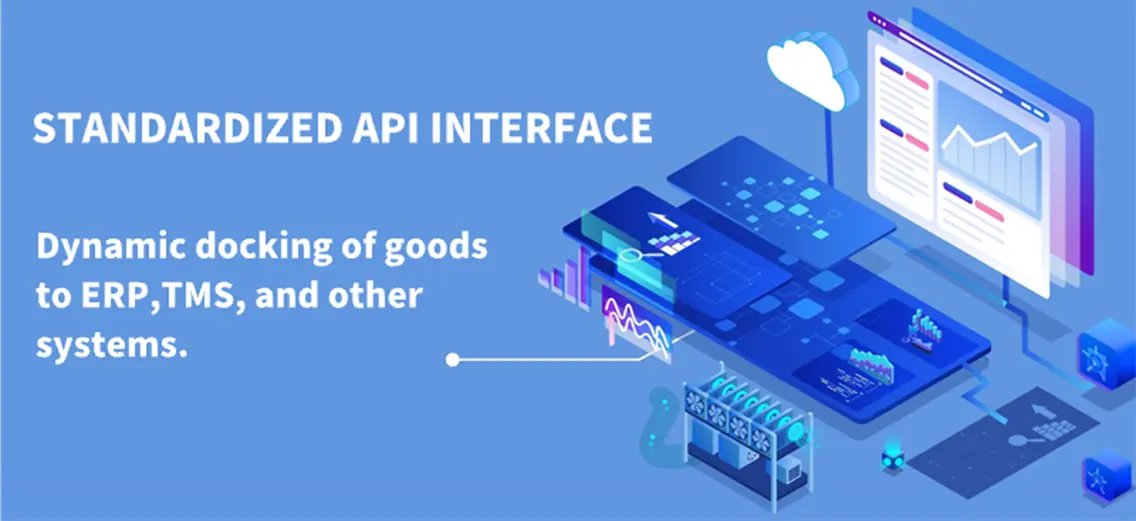
Through API interface integration, the dynamics of goods can be automatically written back to internal systems and customer service systems of the enterprise, assisting global logistics enterprises, supply chain enterprises, cross-border e-commerce enterprises, software platforms and other enterprises to achieve more efficient and refined goods tracking management, and to do risk control and prediction in advance.
Learn More About Trackingeyes
In an era defined by macroeconomic volatility, geopolitical friction, and port bottlenecks, real-time supply chain visibility has shifted from an operational luxury to a strategic necessity.
The global shipping industry transports over 80% of world trade by volume. However, legacy container tracking processes historically relied on fragmented EDI messaging, manual calls, and lagging updates. Today's commercial environment demands dynamic monitoring. Ocean cargo does not move in a vacuum; it interfaces with marine terminals, railway systems, and drayage trucks, requiring a unified system to prevent systemic operational blind spots.
With the rise of Internet of Things (IoT) infrastructure and Automated Identification Systems (AIS), contemporary cargo tracking manufacturers now deliver active sensor models capable of monitoring container temperature, humidity, shock, and exact geolocations. This shift represents a transition from descriptive tracking (notifying when a shipment has arrived) to predictive intelligence (anticipating arrival times, demurrage risks, and inventory velocity).
Four primary structural shifts are reshaping the container tracking paradigm globally:
How Trackingeyes utilizes advanced API schemas, vessel AIS, and machine learning models to forecast ETA and preempt container management bottlenecks.
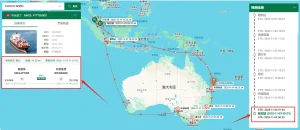
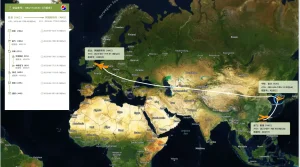
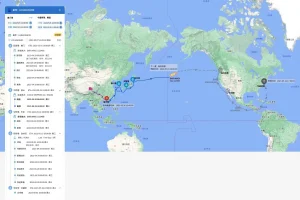
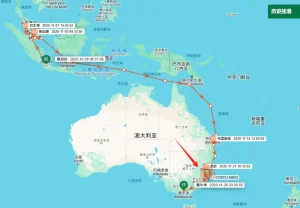
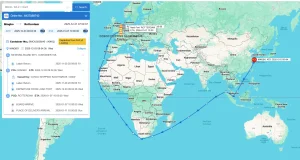
Our platform aggregates Terrestrial-AIS, Satellite-AIS, and port-level radar feeds to provide a real-time global positioning map. This ensures zero data loss even in low-connectivity oceanic lanes.
Leveraging deep neural networks, our system processes ocean currents, vessel drafts, traffic delays, and port queue histories. By predicting congestion trends, it automatically updates ETAs, preventing severe demurrage charges.
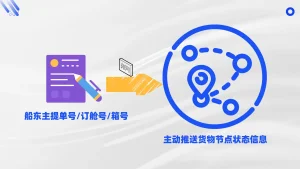
Designed with microservices architecture, the Trackingeyes API offers robust REST endpoints that push logistics updates directly to customer service panels, preventing manual status inquiries.
Unlock end-to-end visibility with our trusted tracking platform. We bring proven reliability to both ocean and air cargo tracking, giving you the accurate data and control needed to streamline operations from port to runway.
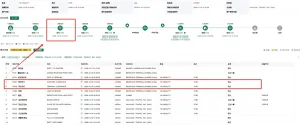
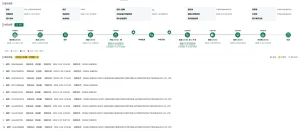
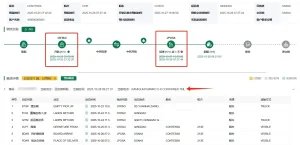
Through seamless automated data ingestion, Trackingeyes ensures that freight forwarders, manufacturers, and e-commerce enterprises receive immediate notifications for milestone events, including container gate-ins, vessel departures, terminal discharge, customs clearing checkpoints, and final destination handovers.
Integrate API Services Now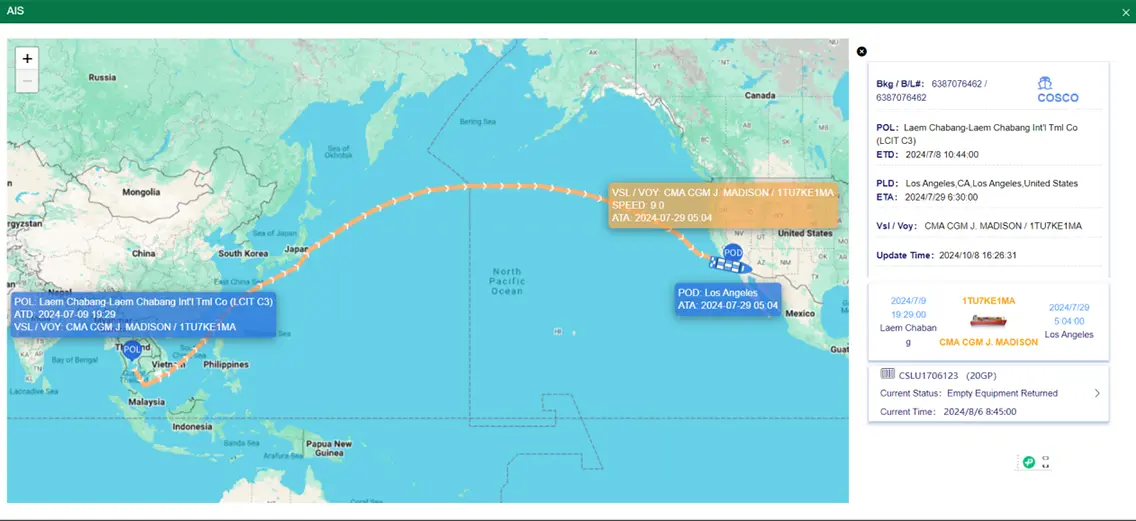
Explore how real-world logistics hubs use Trackingeyes solutions to eliminate delays, manage cross-border customs, and control freight expenditures.
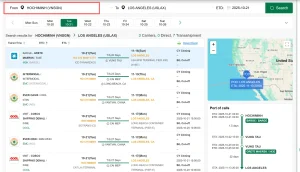
Inland intermodal transport across North America remains a significant bottleneck. When ocean containers discharge at ports like Los Angeles or Long Beach, they face rail terminal congestion and chassis shortages. Trackingeyes’ intermodal tracking system monitors container transfers from vessels to rail corridors, providing real-time geofenced milestone alerts as containers pass key rail terminals. This transparency allows regional logistics teams to dispatch drayage carriers exactly when cargo is cleared for pickup, avoiding costly wait times and chassis rental fees.
Customs delays are a major source of unpredictable freight costs. In cross-border e-commerce, a lack of clear tracking during customs checks can lead to missed delivery windows. By integrating destination customs status tracking directly with our platform, manufacturers receive automated alerts when a container enters customs clearance, requires documentation review, or gets released. This capability helps logistics teams coordinate last-mile transport immediately upon release, maintaining delivery schedules.
For high-value cargo like medical equipment, electronics, and perishables, air cargo tracking requires precise, real-time data. Trackingeyes provides a standardized API interface that monitors air waybills (AWB) directly through partner airlines. Freight managers can track flight statuses, runway arrivals, and warehouse transfers, ensuring they receive immediate notifications of changes in transit plans.
Get authoritative answers on container tracking architectures, cost optimizations, and system integration strategies.
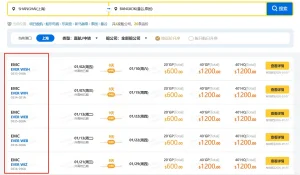
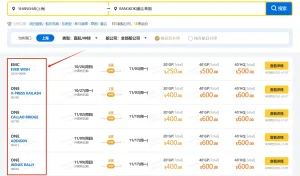
Choose from our specialized tracking tools, including ETA updates, intermodal rail nodes, and rate matching systems, to enhance your supply chain visibility.
 Trackingeyes