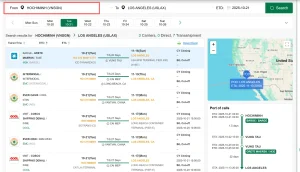
Select from our industry-leading suite of tracking engines, AIS systems, and destination services to enhance operational efficiency.
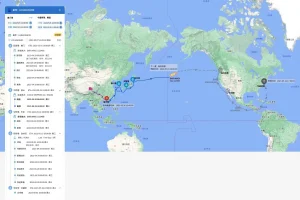
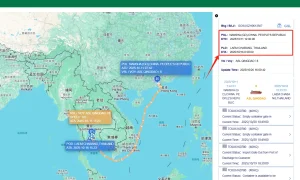
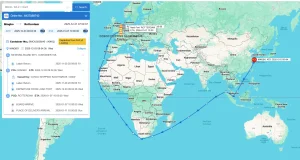
The global logistics landscape is undergoing an unprecedented shift from passive "Track and Trace" models to proactive, AI-driven predictive intelligence. Historically, cargo inquiry systems functioned on reactive milestones—relying on manual updates, EDI feeds, and telephonic follow-ups. Today, logistics leaders demand micro-level, real-time granularity. The convergence of Automatic Identification System (AIS) terrestrial and satellite networks, Internet of Things (IoT) sensors, and dynamic APIs has given rise to the "Visual Era" of global shipping.
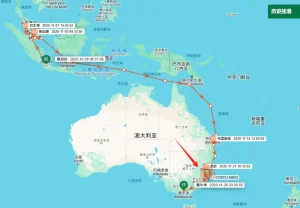
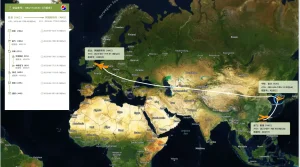
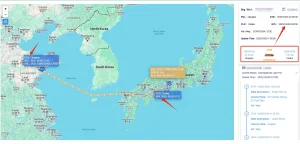
Real-time location data mapping ensures no vessel goes dark, even across remote ocean corridors, mitigating transit blind spots.
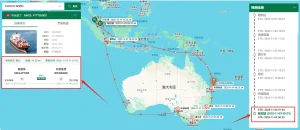
Utilizing historical transit variables, port congestion rates, and weather trends to compute highly precise arrivals.
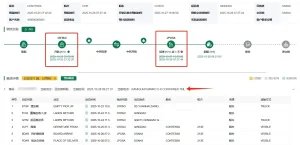
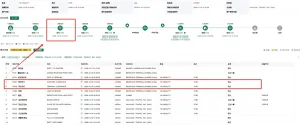
Consolidating data streams from customs, ocean carriers, air freighters, and local terminals into a single, cohesive feed.
This paradigm shift has established a new benchmark for corporate performance. Companies are no longer satisfied knowing where a cargo container is; they demand immediate predictions on potential port congestion demurrage, dynamic routing options, and real-time surcharge alerts. These needs are compelling shipping lines, 3PLs, and tech providers to offer API-driven visual infrastructure capable of seamlessly feeding proprietary ERP and TMS engines.
Modern procurement executives operate in high-risk global markets marked by geopolitical frictions, port strikes, and economic fluctuations. For large-scale importers and cross-border buyers, shipping transparency directly correlates with profitability. Systemic blind spots lead to severe commercial consequences: port storage penalties, stockouts, and dissatisfied clients.
As the world’s manufacturing powerhouse transitions to "China Factory 4.0", the core competitive advantage has shifted from low labor costs to absolute ecosystem resilience. Modern smart factories in China are highly digitized entities that align production cycles with international shipping and logistics schedules. This close alignment requires robust, automated data tracking to ensure seamless execution.
For example, when a factory in Shenzhen produces custom components, the logistics manager uses intelligent APIs to monitor vessel arrival schedules, match optimal rates, and prepare export filings automatically. By bridging the digital gap between manufacturing centers and maritime networks, Chinese exporters minimize storage fees and optimize container use. This deep digital integration ensures that domestic manufacturing hubs retain an edge in global markets through unmatched speed-to-market efficiency.
Moreover, custom-built destination services ensure that the cross-border "Last Mile" is managed efficiently. By matching the cargo's digital profile with terminal operating systems and local drayage companies, companies can easily avoid delays at major destination ports like Rotterdam, Los Angeles, or Hamburg.
Leveraging massive data flows to power visibility for leading trade enterprises worldwide.
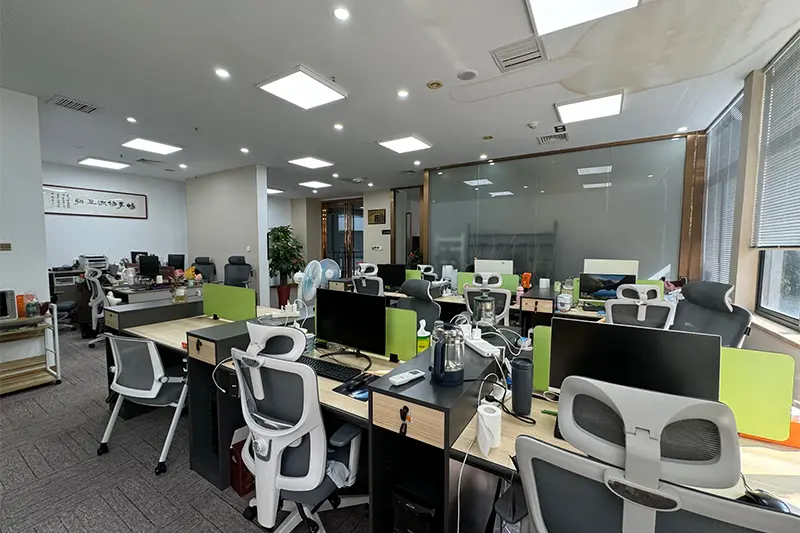
Founded in 2015, Trackingeyes is a leading provider of global end-to-end logistics tracking and supply chain visualization solutions. With a founding team boasting over ten years of logistics expertise, we deeply understand industry pain points. We specialize in global end-to-end cargo tracking by sea and air, serving thousands of import and export enterprises worldwide. Our services include customizable tracking solutions and open API data interfaces to enhance supply chain visibility and operational efficiency.
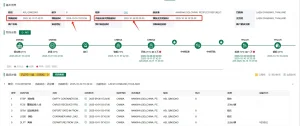
The platform achieves full chain data coverage from the source to the terminal through the collection and aggregation of data sources, including logistics information from various data sources such as stations, terminal, customs, shipping companies, and airlines. Through the Trackingeyes’ Platform, customers can quickly connect with hundreds of global data sources, greatly improving the efficiency and intelligence of logistics tracking.
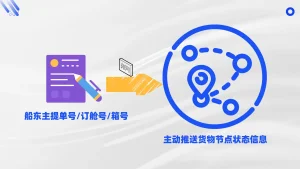
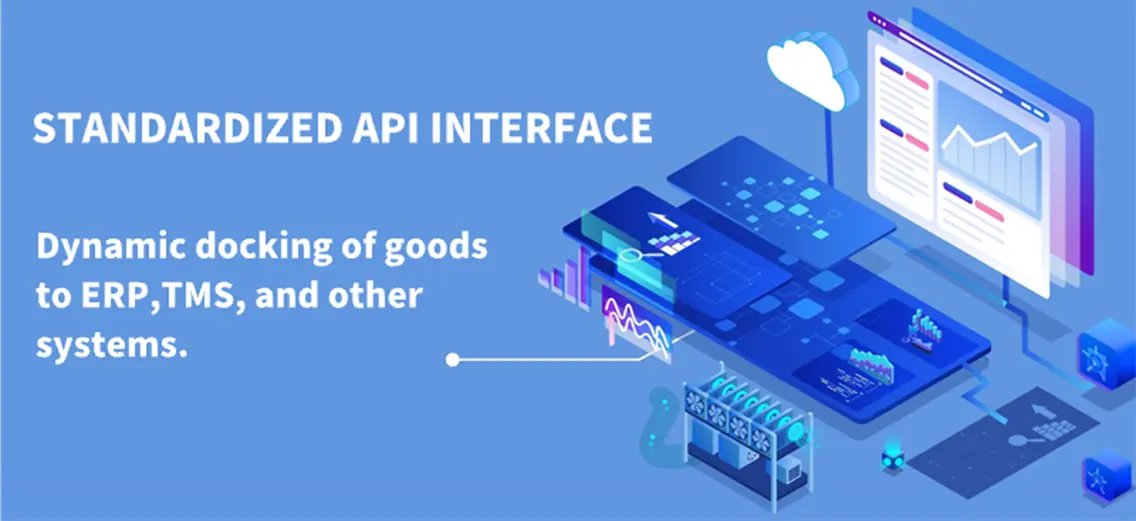
"Through API interface integration, the dynamics of goods can be automatically written back to internal systems and customer service systems of the enterprise, assisting global logistics enterprises, supply chain enterprises, cross-border e-commerce enterprises, software platforms and other enterprises to achieve more efficient and refined goods tracking management, and to do risk control and prediction in advance."


Logistics tracking data is most valuable when integrated into specific daily workflows. Below are three common operational scenarios where tracking data directly resolves critical bottlenecks:
Instead of manual tracking, dynamic notifications ping local custom brokers the moment the container is discharged. This immediate hand-off minimizes ground storage delays and helps avoid costly destination terminal penalties.
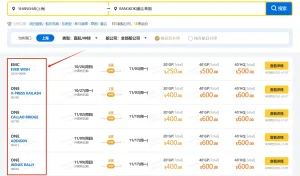
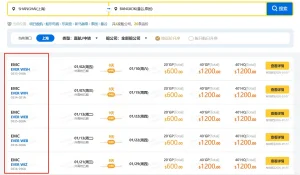
By connecting sailing schedule APIs directly into an enterprise ERP, procurement teams can view updated container milestones inside their primary business system, removing the need to log into multiple carrier portals.
For urgent component shipments, real-time air cargo APIs monitor flight states, airport transits, and final handovers, helping distribution hubs prepare warehouse crews for immediate receiving.
Professional insights on optimizing logistics visibility, integrating APIs, and managing maritime risk.
Ensure complete visibility across air and ocean networks with our specialized integrations.
 Trackingeyes