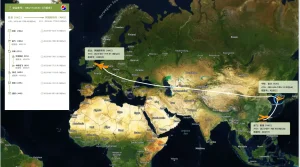
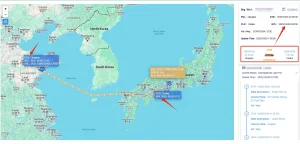
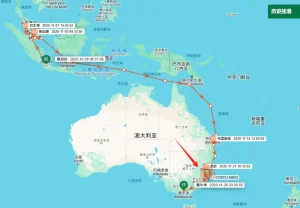
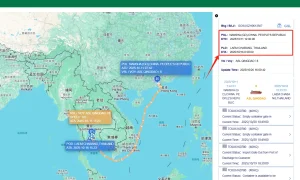
Discover our highly requested real-time global monitoring tools designed to prevent delays, reduce demurrage risks, and automate operational workflows.
Exploring the systemic dynamics of modern aviation logistics, visibility API paradigms, and the search for operational certainty.
In the contemporary global economy, velocity and visibility are the twin pillars of supply chain resilience. The global air cargo sector accounts for over 35% of global trade value despite representing less than 1% of total trade volume. This imbalance underscores the high-value, time-critical nature of goods routed via aviation networks. From lifesaver oncology therapeutics and cold-chain biologicals to advanced high-performance semiconductors and automotive components, the speed of air logistics is an absolute operational necessity.
However, without robust, end-to-end tracking systems, this high-velocity shipping method falls victim to information silos. Historically, tracking air cargo required manual checks across fragmented airline web portals, multiple freight forwarder legacy databases, and disparate ground handling reports. This friction has fueled the demand for unified, automated Air Cargo Tracking APIs. These integrations normalize status updates from multiple air carriers into centralized dashboards, allowing procurement managers, supply chain controllers, and e-commerce platforms to manage exceptions proactively.
In terms of industrial status, tracking has migrated from standard milestone milestones (such as *Wheels Up* or *Arrival*) to dynamic, sensor-infused telemetry. High-value cargo now demands real-time monitoring of internal factors like temperature stability, tilt, humidity, and barometric pressure inside Unit Load Devices (ULDs). This holistic tracking capability is pivotal for securing regulatory compliance in food and pharma shipping while drastically minimizing insurance claim liabilities.
Modern solutions must unify air carriage with initial road feeder services and last-mile drayage, closing the gaps between terminal transfer steps.
Utilizing historical flight routes, ground handling patterns, and historical weather data, our engine computes precise ETAs superior to traditional static projections.
Enterprise logistics calls for high cybersecurity standards. API links are protected via end-to-end encryption complying with modern global data standards.
Why the efficiency of Chinese manufacturing centers dictates the absolute requirement for next-generation tracking visibility.
The manufacturing capabilities of China are no longer built merely on labor arbitrage, but on an unprecedented clustering of complete supply chains. From the Pearl River Delta to the Yangtze River Delta, a single industrial zone can source, refine, manufacture, assemble, test, and package complex industrial machinery or electronics within a tight perimeter. Because of this massive concentration of production power, the bottleneck has shifted from internal factory assembly lines to global shipping corridors.
To sustain these speed gains, logistics providers must optimize cargo transfers immediately upon departure from the factory gates. Here, automated tracking integration acts as a critical link. Modern Chinese exporters don't just ship goods; they package raw tracking data into their ERP exports, giving overseas buyers instant visibility into factory exit, custom clearance milestones, and runway departures in real-time. By bridging the factory gate and airport cargo terminals, Chinese suppliers provide a comprehensive solution that reduces warehousing storage needs and lowers transit times.
Whether shipping components for consumer electronics, automotive parts, or advanced machinery, the time sensitivity is non-negotiable. Delayed freight components halt assembly lines overseas, generating significant financial penalties. High-frequency tracking data enables proactive contingency management. If a flight is delayed or rerouted at a hub, logistics managers can immediately reorganize drayage and destination warehouse scheduling, turning a major supply disruption into a manageable hiccup.
By connecting to terminal data streams and customs clearing databases, Trackingeyes gives global buyers deep clarity into their Far East shipments, ensuring that transit schedules are fully optimized from the start.



How industry leaders deploy Trackingeyes APIs across pharmaceutical, e-commerce, and high-tech supply chains.
Vaccines, insulin, and specialized bio-pharma depend heavily on strict temperature regulation. Our systems track temperature-controlled air container metrics directly, alerting control towers the moment deviations occur, safeguarding valuable inventory before cargo spoilage can happen.
Automotive assembly operations run on tight, precise supply sequences. An absent key component can pause production lines at a cost of thousands per minute. Real-time air cargo APIs notify ERP software instantly, scheduling rapid alternative shipments when disruptions strike.
During major peak shopping seasons, shipping delays erode customer trust. Rapid air cargo tracking enables platforms to give customers exact delivery times, easing customer service volumes and improving overall customer experiences.
Trackingeyes links with key air carriers, marine vessels, and land logistics networks to maximize delivery visibility.
Anticipating technology trends transforming how shippers interact with international freight systems.
The next decade of air freight management will be defined by intelligent connectivity. The traditional approach to tracking has been reactive, notifying operators only after a shipment has missed its connection or failed customs clearance. Advanced logistics tech providers are now deploying predictive engines to identify issues before they happen. By tracking historical port congestion patterns and weather forecasts, AI models predict cargo delay risks hours before the flight takes off, enabling forwarders to re-route freight to avoid backups.
Furthermore, standardizing data formats is paving the way for seamless data sharing. Initiatives such as the International Air Transport Association's (IATA) ONE Record establish standard data interfaces, allowing every link in the supply chain to share details without custom integration code. This level of interoperability will make multimodal tracking standard, ensuring cargo transfers smoothly from ocean vessels to air cargo flights, and onto last-mile delivery vehicles without losing data tracking continuity.
Finally, carbon footprint visibility is changing procurement demands. Multinational corporations now require platforms to calculate the direct CO2 impact of each flight leg. By pairing airline schedule structures with actual tracking updates, modern visibility systems help companies measure, report, and optimize carbon emissions, aligning transport needs with corporate sustainability goals.
Founded in 2015, Trackingeyes is a leading provider of global end-to-end logistics tracking and supply chain visualization solutions. With a founding team boasting over ten years of logistics expertise, we deeply understand industry pain points. We specialize in global end-to-end cargo tracking by sea and air, serving thousands of import and export enterprises worldwide. Our services include customizable tracking solutions and open API data interfaces to enhance supply chain visibility and operational efficiency.
The platform achieves full chain data coverage from the source to the terminal through the collection and aggregation of data sources, including logistics information from various data sources such as stations, terminal, customs, shipping companies, and airlines. Through the Trackingeyes’ Platform, customers can quickly connect with hundreds of global data sources, greatly improving the efficiency and intelligence of logistics tracking.
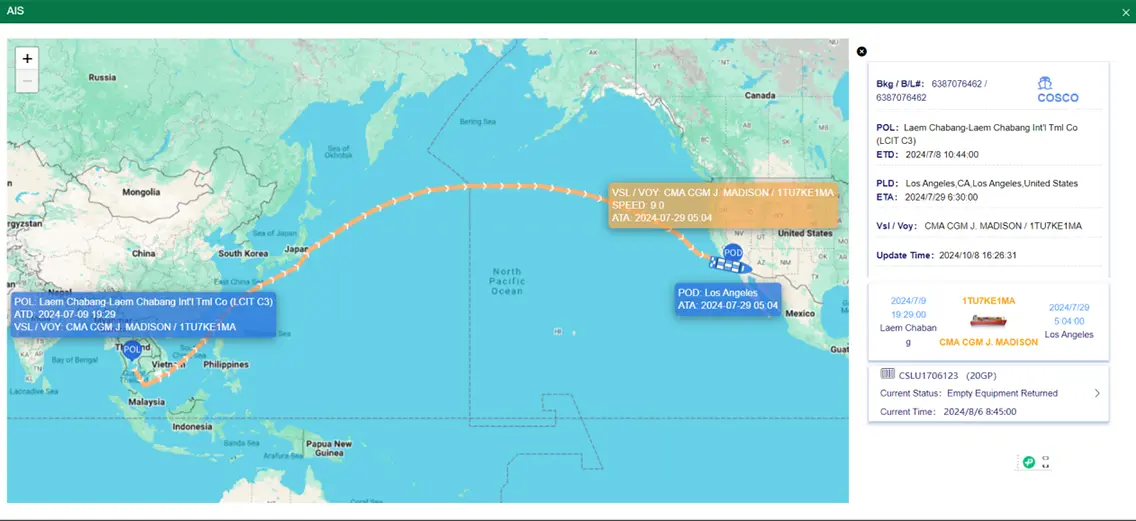
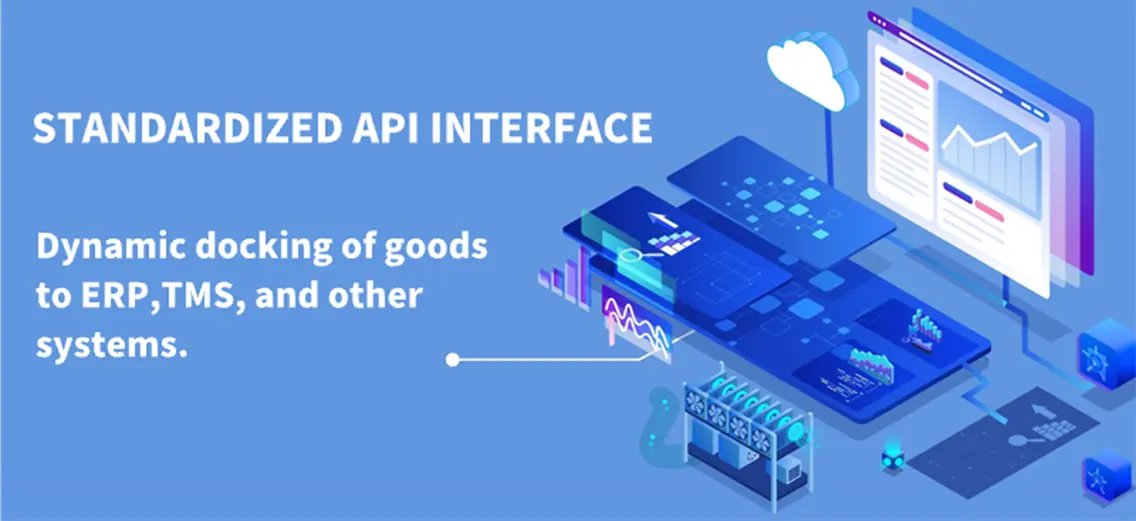
Select from our specialized cargo tracking suite, featuring customized container trackers, port alert systems, and last-mile integrations.
Expert technical answers regarding tracking APIs, deployment, data consolidation, and platform integrations.
 Trackingeyes