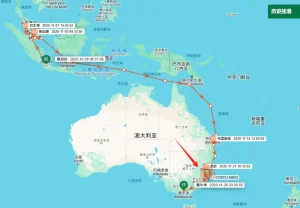
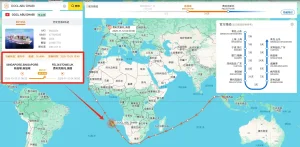
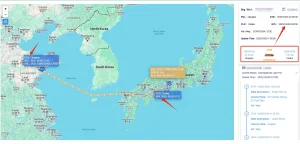
Integrate modern cargo tracking tools, API schedule structures, and automated port-alert databases directly into your operational systems.
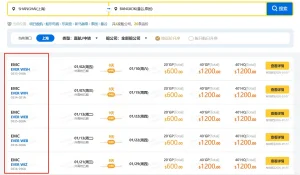
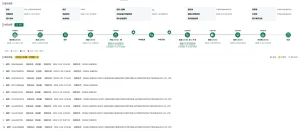
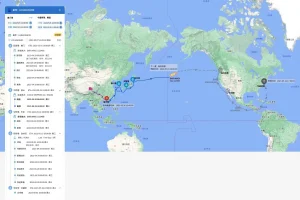

In the contemporary global trade ecosystem, logistics complexity has escalated to unprecedented heights. Manufacturers, B2B procurement agencies, and import/export enterprises operate within tight margins where even minimal schedule disruptions ripple downstream, creating severe capital bottlenecks. The dependency on manual checkpoint updates has given way to a demand for precise, automated data feeds. Using continuous telemetry, manufacturers can dynamically redirect logistics routes, optimize destination warehouse operations, and bypass demurrage penalties.
By leveraging integrated solutions, organizations transform their logistics visibility from a basic operational function into a powerful competitive asset. Dynamic vessel ETA adjustments, automated rate-matching, and proactive cutoff notifications are no longer premium add-ons; they are foundational requirements for ensuring cargo custody integrity, financial efficiency, and customer satisfaction.
Founded in 2015, Trackingeyes is a leading provider of global end-to-end logistics tracking and supply chain visualization solutions. With a founding team boasting over ten years of logistics expertise, we deeply understand industry pain points. We specialize in global end-to-end cargo tracking by sea and air, serving thousands of import and export enterprises worldwide.
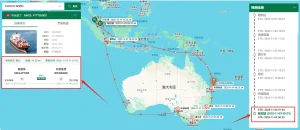
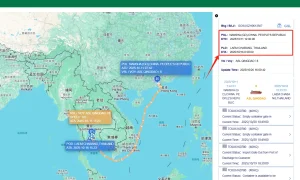
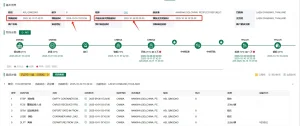
Our platform achieves full-chain data coverage from source to terminal by aggregating and processing multiple dynamic data sources. By integrating station details, terminal status updates, customs records, shipping lines, and airline networks, Trackingeyes establishes a consolidated single-pane view of global inventory in motion.



The global shipping landscape is undergoing a structural shift toward automation and predictive visibility. According to industry analyses, manual container tracing is becoming obsolete. The current era demands algorithmic forecasting, real-time telemetry, and seamless database interoperability across complex multi-carrier networks.
Three primary vectors are driving this evolution:
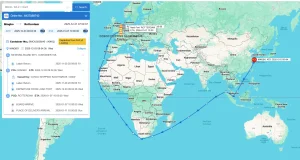
Satellites and terrestrial Automatic Identification System (AIS) receptors track ships globally. Having raw positions is only the baseline; the true differentiator lies in filtering raw coordinate noise to dynamically identify route deviations, speed adjustments, and delays.
Modern visual engines combine historical shipping patterns, congestion indexes, weather forecasting, and real-time terminal throughput parameters to predict ocean and air cargo movements. This enables enterprises to identify disruptions days before carriers issue notifications.
Modern enterprises are phasing out siloed portal tracking in favor of unifying tracking streams. APIs seamlessly inject cargo tracking data directly into central ERPs, transport systems, and customer-facing support platforms.
Global supply chain procurement specialists must balance cost considerations with data reliability. A fragmented tracking stack leads to high integration costs, inconsistent data latency, and vendor lock-in. Enterprise buyers prioritize three core elements when evaluating cargo tracking platforms:
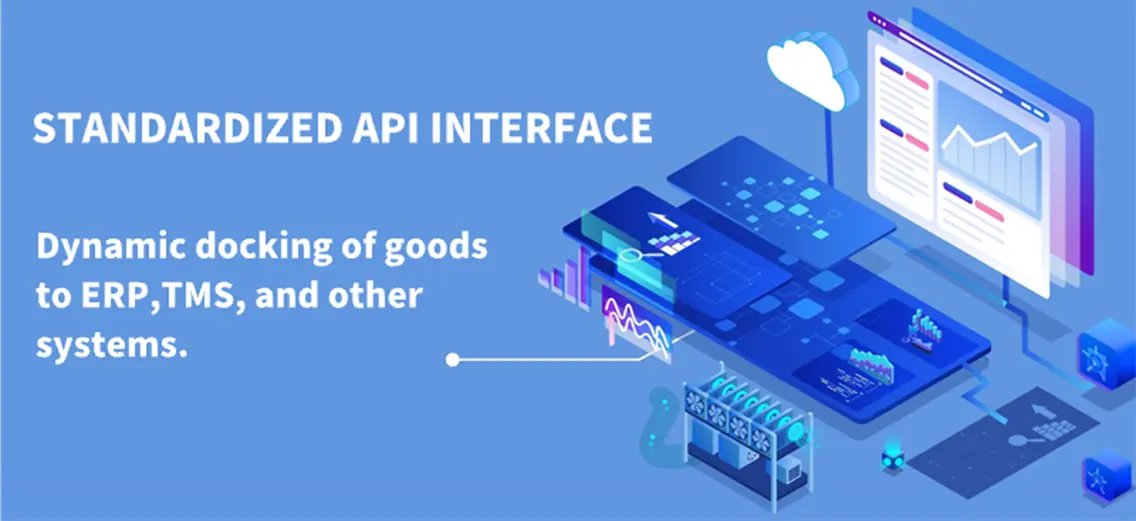
Connecting tracking endpoints to ERP environments (such as SAP, Oracle, or proprietary systems) allows enterprises to automate logistics workflows and remove operational silos. Instead of forcing logistics teams to manually search container numbers across carrier websites, the data updates automatically within the primary business system.
Through API integration, cargo updates can write back to internal company systems, helping logistics networks, supply chain platforms, and cross-border e-commerce brands improve operational efficiency, automate risk mitigation, and optimize delivery workflows.
For example, if the system flags an ETA delay, the ERP can automatically alert destination warehouses to adjust labor schedules, preventing idle time and lowering overtime expenses. This connection turns raw tracking metrics into actionable operational savings.
Reliable tracking systems must address real-world logistical friction points. The Trackingeyes architecture is built to resolve key challenges that disrupt supply chain efficiency:
When containers sit unclaimed at destination terminals, demurrage and storage penalties accumulate quickly. Trackingeyes tackles this by cross-referencing vessel arrivals with terminal gate activity, alerting transport operators the moment a container is cleared and ready for pick-up.
Missing a port cut-off can delay shipments by weeks. By monitoring vessel berthing queues and real-time gate statuses, the platform provides automated alerts, helping logistics planners adjust dispatch schedules and ensure cargo is gated in on time.
Carrier schedule changes can disrupt inventory planning. Trackingeyes continuously monitors schedule updates from shipping alliances, automatically matching changes against active bookings to flag routing deviations early.
Operating across global trade lanes requires strict adherence to international maritime regulations and data privacy frameworks. Trackingeyes ensures full compliance with global standards, allowing enterprises to manage international shipments while protecting sensitive transaction data.
Our infrastructure complies with GDPR, HIPAA, and CCPA requirements. Key data transmission channels are secured using TLS 1.3 encryption, and data stores are hosted in geographically redundant ISO 27001-certified data centers, ensuring secure, high-availability access in APAC, Europe, and the Americas.
The future of global tracking lies in deepening automation and expanding IoT integrations. Our developmental roadmap focuses on integrating advanced analytics to provide deeper visibility across every leg of the supply chain:
Explore our specialized tools for AIS tracking, ETA updates, and container analytics designed to optimize global supply chains.
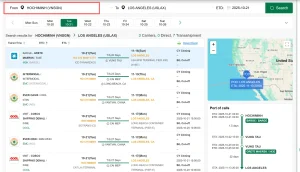
 Trackingeyes