In the modern globalized economy, supply chain visibility is no longer a luxury—it is a critical operational requirement. Shippers, manufacturers, and logistics service providers (LSPs) face unprecedented volatility, from port congestion and labor strikes to geopolitical disruptions and extreme weather events. Traditional tracking methods, which rely on manual container status checks or fragmented EDI messages, are no longer sufficient to meet the demands of just-in-time manufacturing and high-velocity e-commerce.
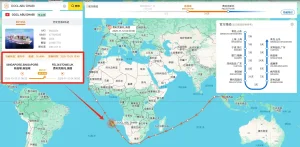
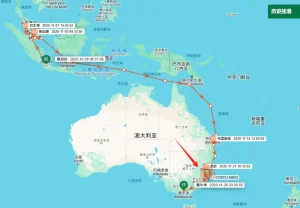
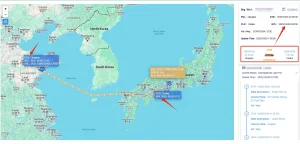
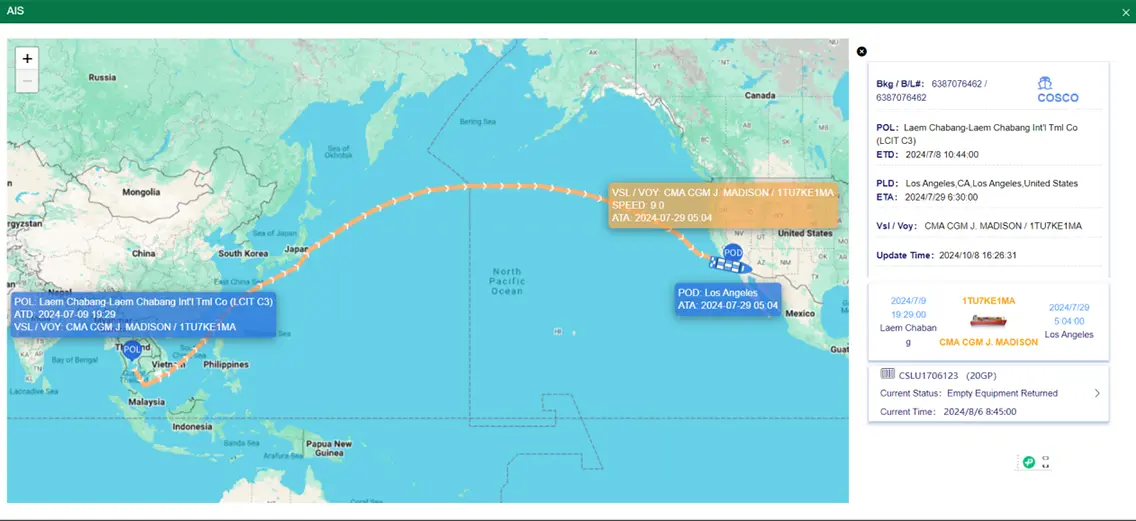
This whitepaper explores how modern Cargo Track and Trace solutions leverage real-time AIS (Automatic Identification System) telemetry, machine learning algorithms, and seamless API integrations to transform supply chain uncertainty into a competitive advantage. We will analyze the cost structures, localization requirements, and the unique advantages of integrating Chinese manufacturing nodes directly into global visibility networks.
China remains the world's manufacturing powerhouse. However, the complexity of moving goods from inland factories (such as those in Sichuan or Henan) to major coastal ports (like Shanghai, Ningbo-Zhoushan, or Shenzhen) introduces significant blind spots. Real-time tracking must begin at the factory gate, not just when the container is loaded onto a vessel. By integrating factory dispatch systems with local road transport telematics, enterprises gain true end-to-end visibility.
With massive export volumes, Chinese ports frequently experience sudden congestion, customs backlogs, and container shortages. Utilizing automated port opening alerts and cut-off tracking ensures that manufacturers can adjust production schedules and logistics bookings dynamically, preventing expensive cargo pick-up failures and demurrage charges at destination ports.
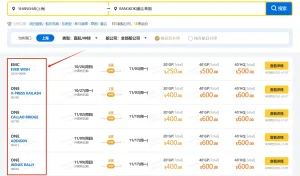
When procurement departments evaluate cargo tracking software, they must balance cost against data fidelity. A cheap tracking solution that relies solely on carrier-reported milestones often results in stale data and missed exceptions. Conversely, over-engineered solutions can lead to high integration costs and shelfware. A strategic approach to evaluating a tracking pricelist involves understanding the tiering of data services:
By aligning the tracking tier with the value and urgency of the cargo, global procurement teams can optimize their logistics spend while ensuring operational resilience.
Founded in 2015, Trackingeyes is a leading provider of global end-to-end logistics tracking and supply chain visualization solutions. With a founding team boasting over ten years of logistics expertise, we deeply understand industry pain points. We specialize in global end-to-end cargo tracking by sea and air, serving thousands of import and export enterprises worldwide. Our services include customizable tracking solutions and open API data interfaces to enhance supply chain visibility and operational efficiency.
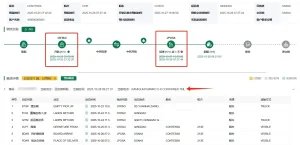
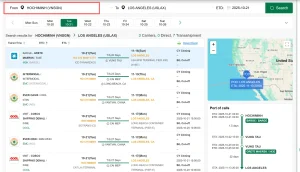
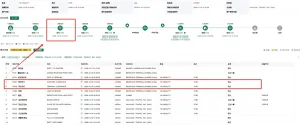
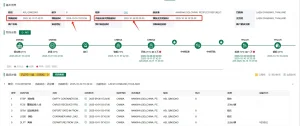
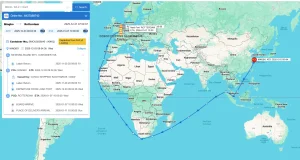
The platform achieves full chain data coverage from the source to the terminal through the collection and aggregation of data sources, including logistics information from various data sources such as stations, terminal, customs, shipping companies, and airlines. Through the Trackingeyes’ Platform, customers can quickly connect with hundreds of global data sources, greatly improving the efficiency and intelligence of logistics tracking.



Operating a global tracking network requires strict adherence to regional data protection laws and maritime regulations. As data flows across borders, tracking platforms must ensure compliance with frameworks such as the European Union's General Data Protection Regulation (GDPR), China's Personal Information Protection Law (PIPL), and the US California Consumer Privacy Act (CCPA).
Furthermore, localization involves more than just translating user interfaces. It requires integrating localized data sources, such as regional customs systems (e.g., China's Golden Tax System, US CBP Automated Commercial Environment), local port authorities, and regional trucking networks. A robust tracking platform must offer multi-language customer support, localized time-zone mapping, and regional hosting nodes to minimize latency and comply with local data residency requirements.
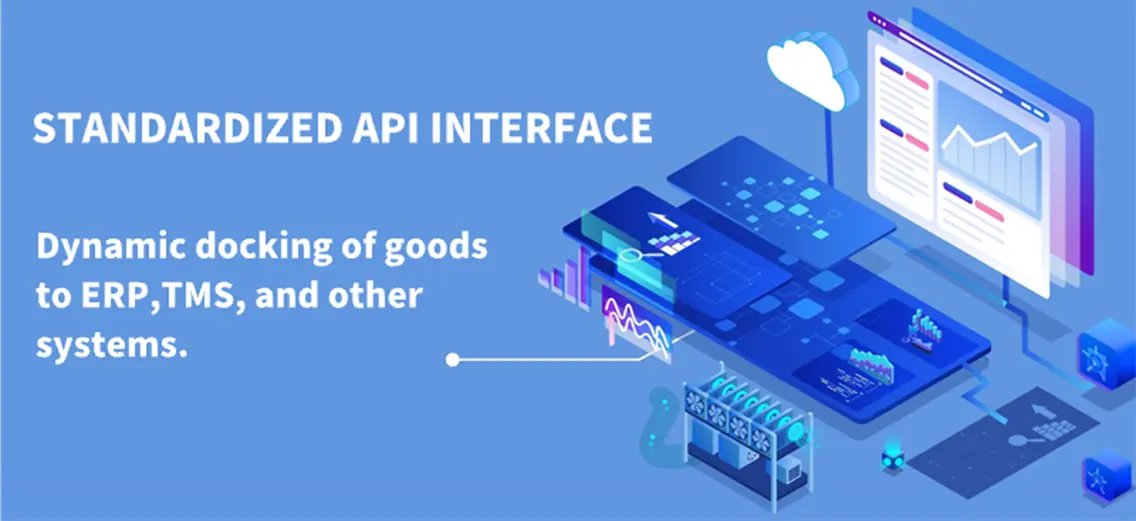
Consolidate data from shipping lines, airlines, customs, and terminals into a single JSON/XML API. This eliminates the need for developers to maintain dozens of separate integrations, reducing maintenance costs and improving system reliability.
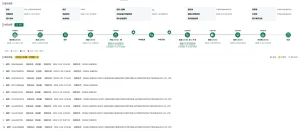
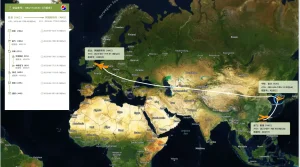
Transform legacy ERP systems into dynamic visual control towers. By embedding real-time maps, milestone timelines, and predictive alerts directly into the ERP interface, procurement and sales teams can view shipment status without leaving their primary workflow.
Set up automated rules to trigger alerts when a shipment deviates from its planned route, misses a milestone, or experiences an ETA delay. This allows logistics teams to manage by exception, focusing resources on resolving critical issues.
The logistics technology landscape is evolving rapidly. Key trends shaping the future of cargo visibility include:
 Trackingeyes