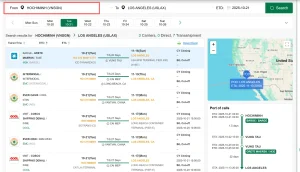
Explore our premium real-time data feeds, customized ERP integrations, and tracking APIs built for global commerce.
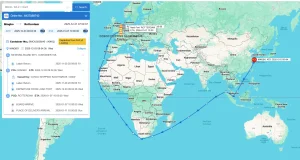
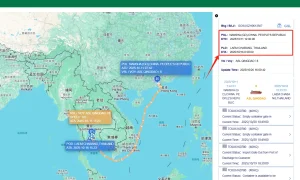
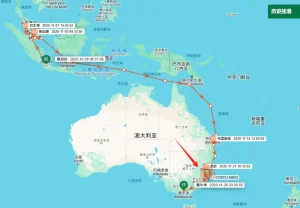
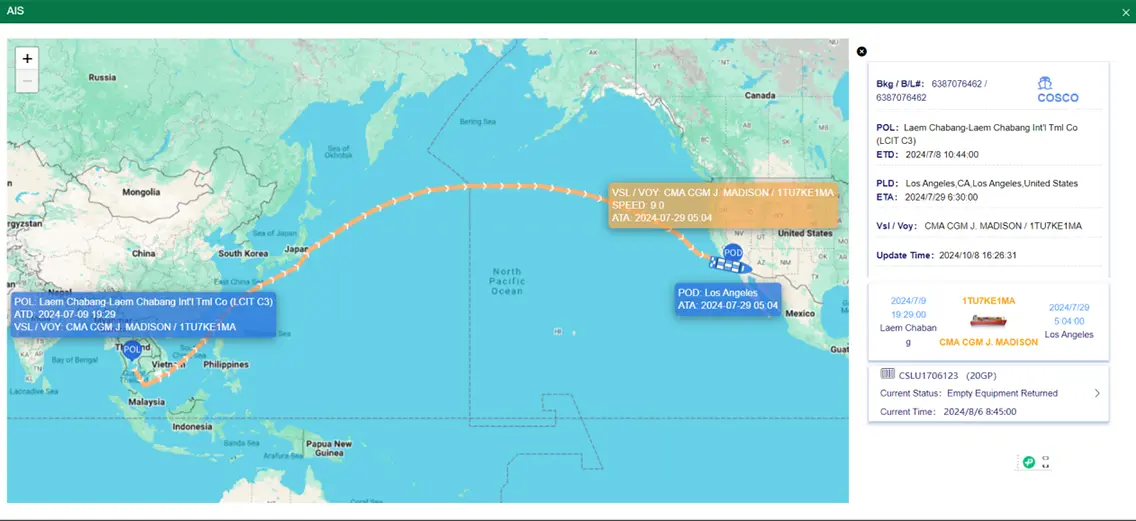
In today's complex geopolitical landscape, static vessel schedules no longer suffice. Global enterprises require real-time telemetry from Automatic Identification Systems (AIS) to navigate volatile shipping channels, dynamic customs inspections, and port congestion.
Historically, tracking ships meant dealing with outdated data, long transmission latencies, and high data acquisition costs. The arrival of AIS Live Ship Telemetry has transformed global logistics from reactive mitigation to proactive, automated scheduling optimization.
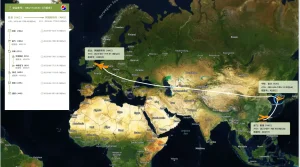
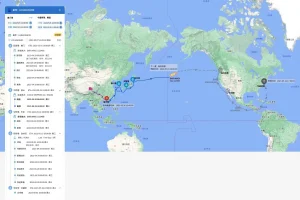
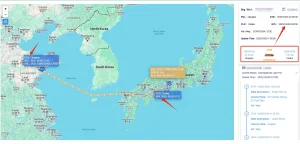
By integrating terrestrial AIS feeds with low-earth-orbit (LEO) satellite data, supply chain systems now track global voyages with accuracy down to the minute. This paper outlines how our enterprise clients achieve operational excellence using cost-efficient tracking methods.
A global leader in supply chain visualization and integrated logistics telemetry since 2015.
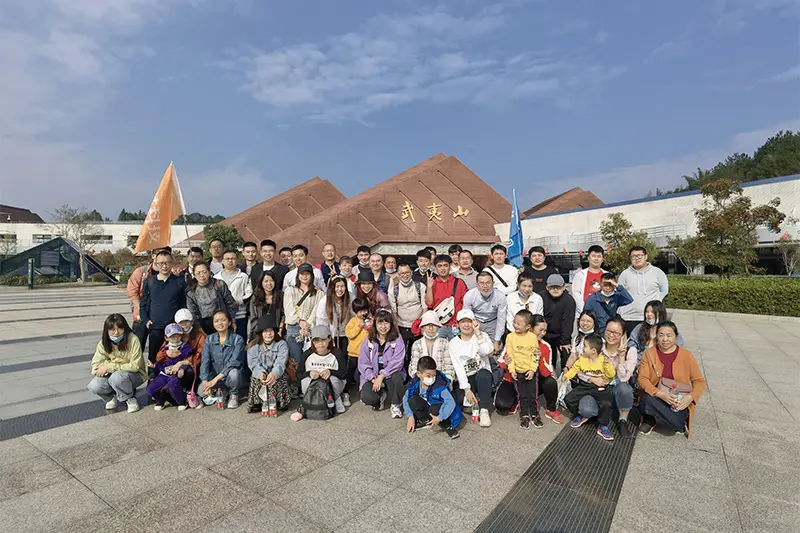
Founded in 2015, Trackingeyes is a leading provider of global end-to-end logistics tracking and supply chain visualization solutions. With a founding team boasting over ten years of logistics expertise, we deeply understand industry pain points. We specialize in global end-to-end cargo tracking by sea and air, serving thousands of import and export enterprises worldwide.
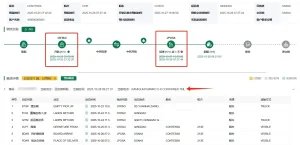
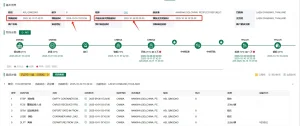
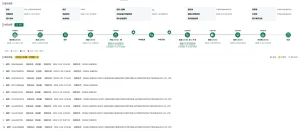
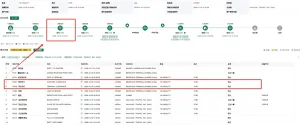
The platform achieves full chain data coverage from the source to the terminal through the collection and aggregation of data sources, including logistics information from various data sources such as stations, terminal, customs, shipping companies, and airlines. Through the Trackingeyes’ Platform, customers can quickly connect with hundreds of global data sources, greatly improving the efficiency and intelligence of logistics tracking.
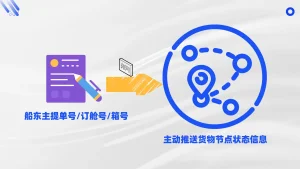
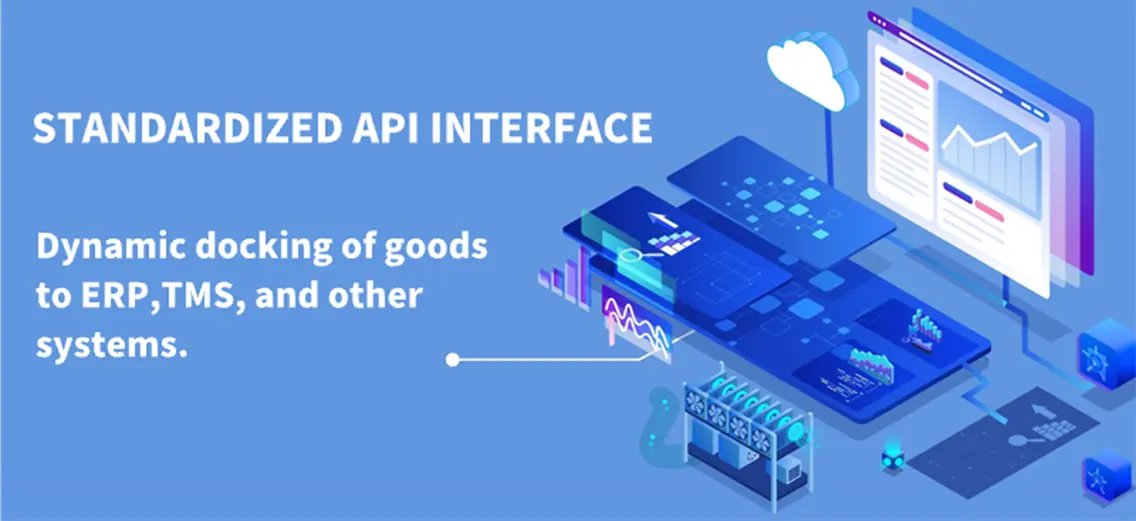
Through API interface integration, the dynamics of goods can be automatically written back to internal systems and customer service systems of the enterprise, assisting global logistics enterprises, supply chain enterprises, cross-border e-commerce enterprises, software platforms and other enterprises to achieve more efficient and refined goods tracking management, and to do risk control and prediction in advance.
Leveraging deep learning, Edge IoT, and VHF Data Exchange System (VDES) to define the future of maritime visibility.
Moving beyond static AIS updates, we are implementing predictive neural networks. By processing historical route variations, local weather patterns, and real-time port delays, our engine continuously forecasts route revisions, providing cargo owners with an early-warning buffer system.
As the maritime industry migrates from legacy AIS to VHF Data Exchange System (VDES), our platform is fully aligned. VDES increases bandwidth up to 32 times compared to standard AIS, ensuring near-instantaneous transmission of vessel details, draft changes, and structural updates.
Our future framework bridges vessel AIS coordinates with containerized IoT sensors. This enables tracking of both location and cargo environment (internal temperature, moisture, and sudden impacts) on a single visual dashboard.
Custom workflows designed to meet the tracking demands of complex, multi-modal supply chains.
Automobile manufacturers operate on tight schedules. A delay in custom engine components can halt production lines. Our real-time AIS tracking helps managers monitor transshipments, verify port delays, and implement backup shipping plans before operations are impacted.
Integrating customs clearance data with ship schedules allows operations to automatically coordinate flatbeds, trucks, and rail schedules for immediate pick-up.
Cross-border e-commerce depends on fast last-mile logistics. Trackingeyes bridges the gap between maritime transport and domestic distribution. By automatically updating target container locations, e-commerce networks optimize stock placement and prepare local hubs.
This helps lower average warehousing times, minimize destination demurrage fees, and keep end-users updated on delivery estimates.
As global production hubs transition to the Industry 4.0 framework, modern factories in China require precise data integration. Smart manufacturing relies on coordination between production lines and shipping networks. Our real-time AIS solutions provide immediate insight into export delays, enabling factories to adjust production rates and align raw material intake accordingly.
Through our automated API platforms, factories can match order completions directly with carrier bookings, monitor terminal load times, and receive alerts if a container misses its scheduled vessel.
Ensuring secure transmission of global maritime telemetry under international regulations.
We employ data anonymization techniques on our tracking servers to guarantee that cargo and consignee information complies with the EU GDPR and California CCPA guidelines.
All maritime telemetry collected within Chinese territorial waters meets the requirements of the China Data Security Law, utilizing secure, compliant localized servers.
Our globally distributed cloud nodes ensure API response times remain under 150ms, regardless of whether you access the tracking servers from Asia, North America, or Europe.
Choose an enterprise-level data access plan structured to support your operational scale.
Get answers to frequently asked technical questions regarding Trackingeyes API integrations.
Further resources, specialized container tools, and port-matching APIs from the Trackingeyes suite.
 Trackingeyes