Explore our premium real-time data feeds, sensor networks, and customized integration interfaces.
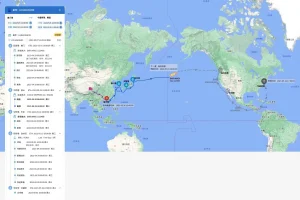
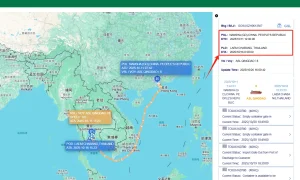
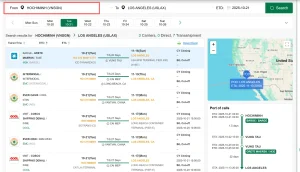
Founded in 2015, Trackingeyes is a leading provider of global end-to-end logistics tracking and supply chain visualization solutions. With a founding team boasting over ten years of deep logistics expertise, we thoroughly understand industry pain points. We specialize in global end-to-end cargo tracking by sea and air, serving thousands of import and export enterprises worldwide.
Our platform achieves full-chain data coverage from source to terminal by aggregating critical data streams from ports, customs, shipping lines, and terminal operators. Through the Trackingeyes Platform, customers connect instantly with hundreds of global networks, raising the benchmark of supply chain intelligence.
Request System Integration

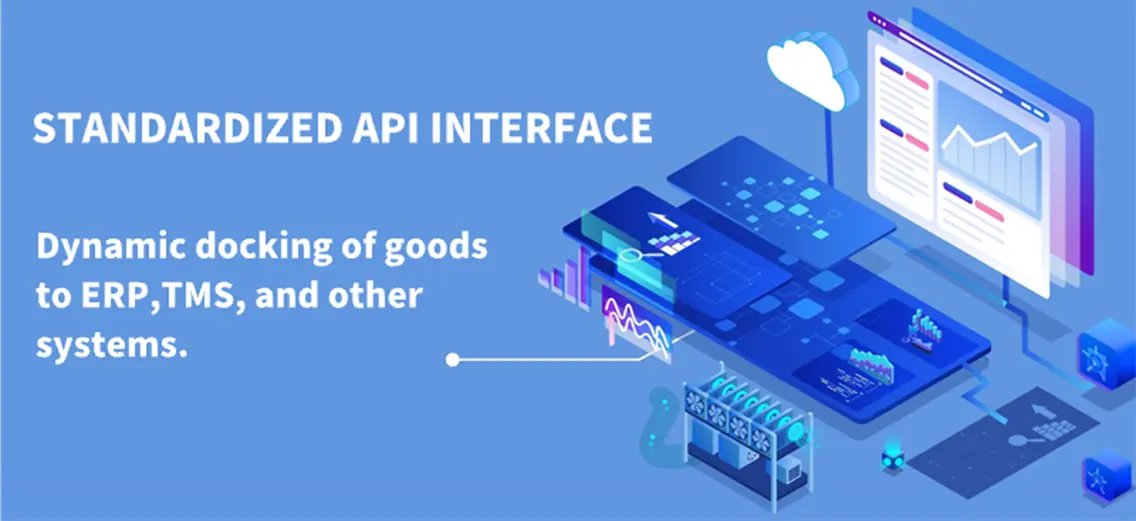
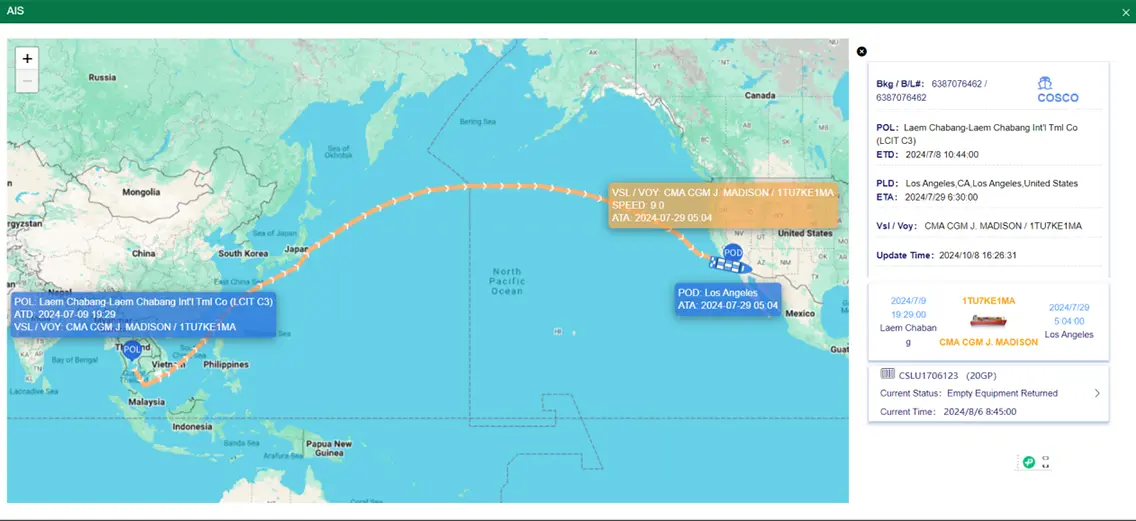
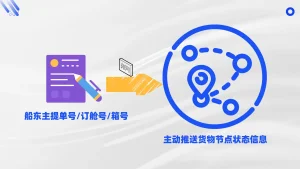
Through API interface integration, the dynamics of goods can be automatically written back to internal systems and customer service systems of the enterprise, assisting global logistics enterprises, supply chain enterprises, cross-border e-commerce enterprises, software platforms and other enterprises to achieve more efficient and refined goods tracking management, and to do risk control and prediction in advance.
Our cloud-native platform architecture processes millions of container events daily. Discover the quantitative value realized by multinational manufacturers running on our stack:
Analyzing geopolitical trade patterns, mega-vessel deployments, and why standard freight visibility systems fall short for complex, heavy industrial supply chains.
Modern industrial manufacturing requires tracking of heavy-lift machinery, raw materials, and high-volume containerized corridors between Asia, Europe, and North America.
With maritime choke points experiencing record volume, predictive port-opening alerts and customs tracking are crucial to avoid costly container demurrage fees.
Integrating ocean vessel data, port drayage status, and air-freight transfers into one clean tracking pipeline remains a top operational priority for global CFOs.
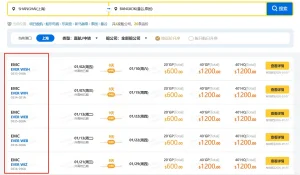
In the logistics sector, "XL Cargo Tracking" refers not only to Extra-Large or out-of-gauge (OOG) project cargo, but also to high-volume, enterprise-level freight operations that require ultra-reliable tracking schemas. Historically, supply chain managers relied on carrier websites, email updates, and manual spreadsheets to monitor trans-oceanic routes. This lack of transparency has led to hidden operating costs, missed schedules, and cargo pick-up failures at destination ports.
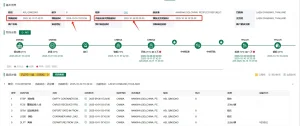
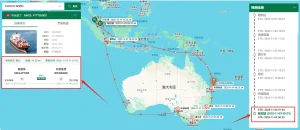
China, as the world's leading manufacturing hub, exports massive quantities of industrial components. Tracking these shipments requires reliable integration with the Automatic Identification System (AIS), global marine transponders, customs clearance interfaces, and regional air-freight networks. An enterprise-grade cargo tracking platform provides the foundational framework needed to consolidate these distinct data points into a single source of truth.
"According to recent maritime logistics studies, real-time end-to-end cargo visibility reduces detention and demurrage penalties by up to 28% while improving warehouse labor efficiency by 15% through predictive ETA modeling."
Fluctuating container freight rates, variable fuel surcharges, and unpredictable terminal port conditions mean that modern logistics requires more than simple location tracking. It demands operational intelligence. By monitoring ocean carrier schedules, container milestones, and destination port open alerts, shippers can preemptively manage exceptions and optimize routing. This strategic capability directly shifts companies from reactive crisis management to proactive supply chain optimization.
The evolution from passive milestones to AI-driven predictive ocean and air logistics orchestration.
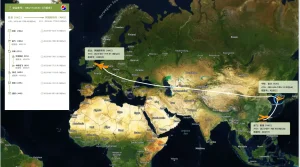
To meet the demands of modern shippers, the technology powering XL cargo tracking systems must evolve beyond simple milestone updates. The diagram and data below outline the transition from legacy systems to our API-first, predictive tracking engine.
| Technology Tier | Data Feed Sources | ETA Accuracy | Primary Application |
|---|---|---|---|
| Tier 1: Legacy EDI | Carrier self-reporting, manual logs | +/- 48 Hours | Basic historical accounting |
| Tier 2: Real-time AIS | Terrestrial & Satellite AIS, Port sensors | +/- 12 Hours | Live geographic tracking |
| Tier 3: AI-Predictive | Satellite AIS, ML Congestion Models, Historical performance databases | < 2 Hours | Dynamic routing, proactive risk management |
| Tier 4: Unified API (Trackingeyes) | Multi-source sensor fusion, Customs APIs, Air/Sea telemetry integration | Real-time Dynamic | Enterprise ERP automation, automated customer service loop |
How leading global manufacturers utilize Trackingeyes systems to optimize operations across key logistics scenarios.
One of the costliest disruptions in global shipping is the cargo pick-up failure. When import containers arrive at destination terminals, shippers must arrange immediate drayage to avoid demurrage penalties.
The Solution: By integrating Trackingeyes' real-time port opening alerts and customs status checks, shippers can coordinate local trucking partners before the vessel docks. This minimizes dwell times and keeps port operations running smoothly.
For high-value components or rush deliveries, air freight is the primary mode of transit. However, finding reliable, real-time milestones across multiple airlines is historically difficult.
The Solution: The Trackingeyes automated air freight tracking solution aggregates data from global flight paths and terminal warehouses. This provides a unified API dashboard for assembly lines that rely on just-in-time manufacturing.
Flexible enterprise tiers designed to scale alongside your global shipping volumes.
We offer transparent pricing models tailored to various integration scopes, from low-frequency tracking to high-frequency, automated ERP data pipelines. Review our standard commercial tiers below to find the right fit for your operation.
Frequently asked questions regarding AIS updates, API integrations, customs alignment, and cargo visibility metrics.
Connect your internal supply chain systems with our advanced tracking APIs and vessel databases.
 Trackingeyes