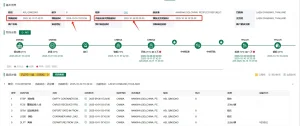
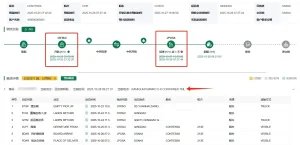
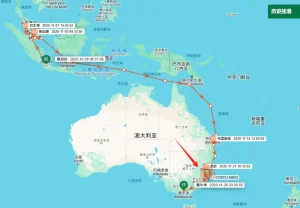
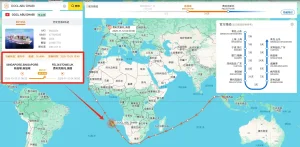
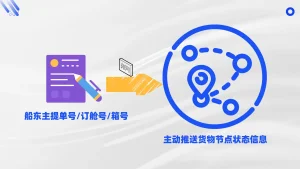
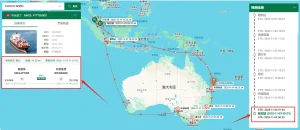
In modern maritime trade, China is no longer merely a manufacturer of physical commodities; it is now a critical core hub for logistics intelligence, SaaS integration, and AI-enabled maritime tracking databases. Driven by dynamic shifts in the global supply chain, industrial buyers demand more than cargo slots. They seek data-backed predictability, reliable sailing schedule integration, and real-time cargo monitoring tools.
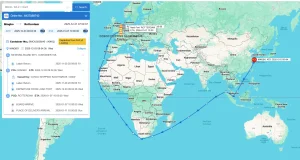
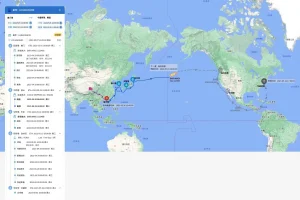
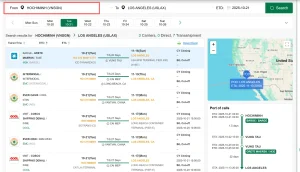
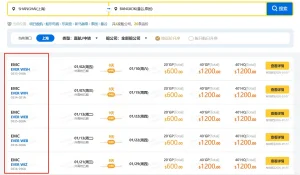
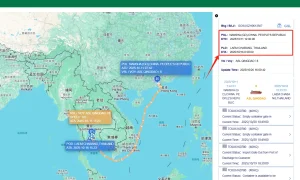
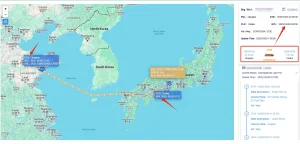
The historical reliance on static vessel itineraries from ocean carriers has created substantial gaps for supply chain departments. Modern container terminals, complex customs procedures, and fluctuating routes mean that vessel operations must be monitored dynamically. Trackingeyes bridge this digital divide. By consolidating heterogeneous data points across various platforms, shippers and manufacturers receive an aggregated, single source of truth for all import and export movements.
"The integration of AIS (Automatic Identification System) vessel telemetry and terminal terminal operating system (TOS) data points transforms basic milestone tracking into a proactive strategy, allowing businesses to adjust regional stock volumes before the container even lands."

Founded in 2015, Trackingeyes has emerged as a premier manufacturer of global end-to-end logistics tracking and supply chain visualization solutions. Headquartered in China with deep links to worldwide maritime logistics routes, the founding team brings over ten years of intensive, front-line logistics domain expertise. We deeply understand the operational pain points that companies face on a daily basis: container delays, unscheduled rollings, customs holdups, and missing milestone data.
Trackingeyes specializes in global ocean and air cargo tracking, serving import/export operations, freight forwarders, and logistics software platforms. Our core architecture extracts raw information from diverse pipelines (including marine terminals, port authorities, customs offices, shipping lines, and satellite AIS systems). This raw data is standardized and cleaned before being delivered through high-performance REST APIs or custom web panels.
Procurement departments of modern manufacturing giants face increasingly tight production loops. Just-in-Time (JIT) manufacturing and dynamic inventory management strategies rely heavily on precise transit intervals. If an ocean vessel experiences delays outside of the manufacturer's visibility window, assembly lines halt, resulting in heavy fines, emergency air-freight upgrades, or missed retail delivery slots.
Accurately anticipating when a port terminal releases a container prevents excessive storage fees and detention penalties at the destination port.
Monitoring vessel schedule deviations dynamically enables logistics managers to change transport routing prior to port cut-off windows.
Direct system-to-system integrations ensure internal databases and CRM portals automatically reflect critical transit delays without manual entry.
To solve these friction points, enterprises require open, scalable, and secure API frameworks that can seamlessly pipe milestones into existing tools. When tracking data becomes actionable, procurement professionals can negotiate better freight rates, choose carriers based on reliable performance benchmarks, and minimize overall administrative overhead.
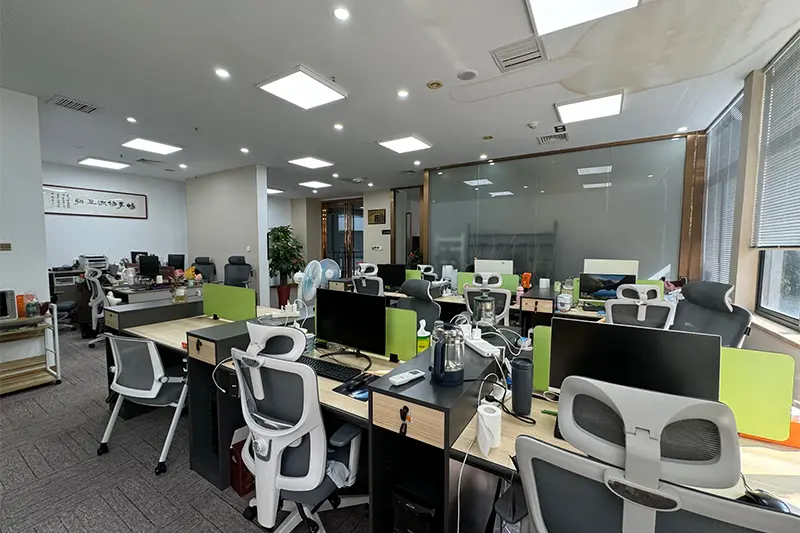
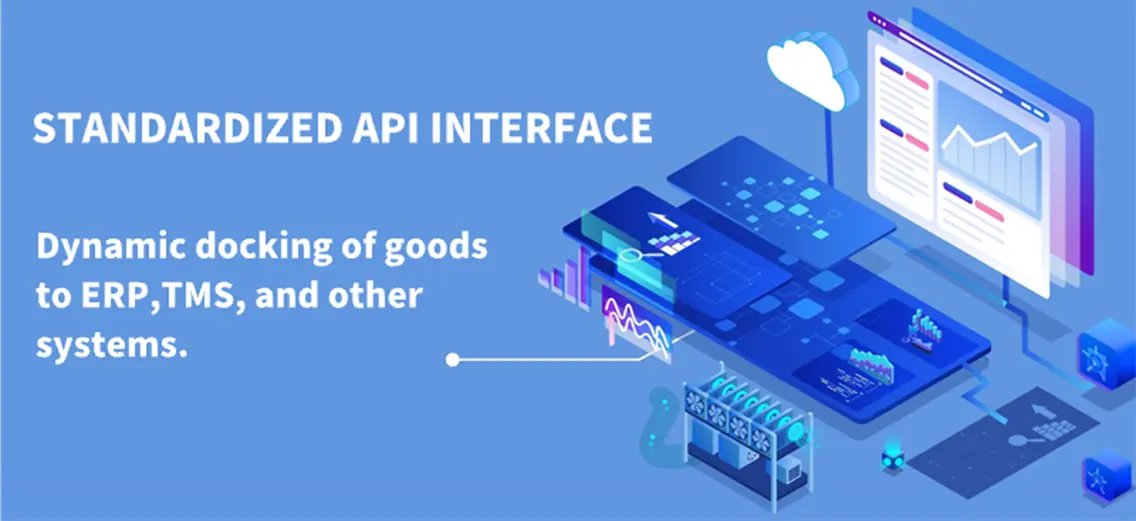
Enterprise resource planning (ERP) platforms represent the operational core of logistics and manufacturing organizations. Without live transit data, these systems are effectively siloed. Upgrading industrial and trading ERP systems with an intelligent, visual ocean logistics tracking engine provides end-to-end visibility directly within the core dashboard.
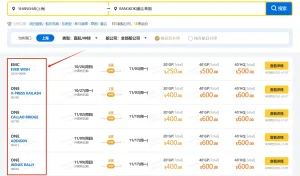
By embedding API integrations, cargo status changes write back to internal operational tools automatically. This automation streamlines task flows for customer service reps, customs brokers, and distribution managers, ensuring that destination transport planning matches up with actual vessel arrivals. The platform coordinates sailing schedules and freight rates, ensuring optimal route selection based on active congestion reports, historical delays, and shipping cost projections.
International maritime operations operate under a complex web of national regulations, port policies, and documentation guidelines. Global trade requires strict adherence to security frameworks (such as GDPR, ISO certifications, and data transmission regulations). Utilizing a centralized logistics tracking hub ensures compliance by securely and standardizing maritime records.

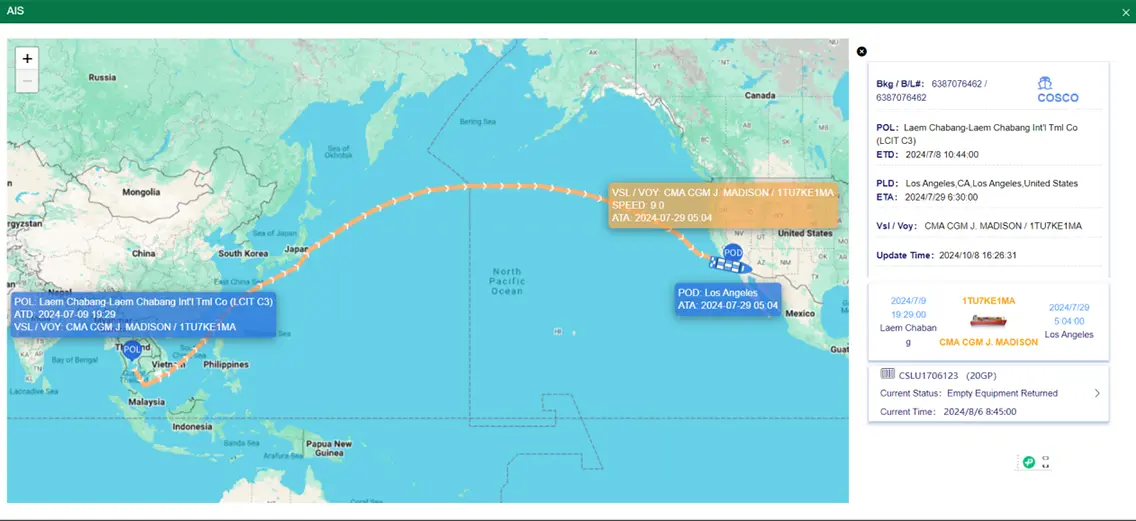
Because port rules and customs filing parameters vary greatly, the localization of shipping data translation is key. Trackingeyes handles this translation layer internally. We clean terminology discrepancies from thousands of terminals, giving global compliance departments standardized event names like "Container Gate In," "Vessel Departure," "Customs Released," and "Actual Time of Arrival (ATA)."
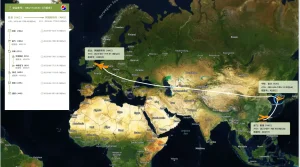
The future of maritime operations lies at the intersection of satellite AIS telemetry and deep-learning prediction engines. Historically, ETA estimates calculated by vessel crews were irregular and prone to human error. Utilizing predictive AI modeling, ocean tracking platforms can evaluate hundreds of variables simultaneously: seasonal weather patterns, historical port queue times, ship speeds, route updates, and canal queues.
Global satellite networks capture real-time vessel speed and trajectory data.
Calculates active waiting times at destination terminals to predict delays before vessel arrival.
Proprietary algorithms compare telemetry against historical route patterns.
Calculates highly accurate predictive arrival times, dynamically pushed via webhook APIs.
This transition from "where is the ship now" to "when will the container actually be ready for pickup at the terminal" represents a major advance in logistics visibility. As a result, businesses can proactively organize drayage, reduce port wait times, and minimize warehouse storage bottlenecks.
 Trackingeyes