Founded in 2015, Trackingeyes is a leading provider of global end-to-end logistics tracking and supply chain visualization solutions. With a founding team boasting over ten years of logistics expertise, we deeply understand industry pain points. We specialize in global end-to-end cargo tracking by sea and air, serving thousands of import and export enterprises worldwide. Our services include customizable tracking solutions and open API data interfaces to enhance supply chain visibility and operational efficiency.
The platform achieves full chain data coverage from the source to the terminal through the collection and aggregation of data sources, including logistics information from various data sources such as stations, terminal, customs, shipping companies, and airlines. Through the Trackingeyes’ Platform, customers can quickly connect with hundreds of global data sources, greatly improving the efficiency and intelligence of logistics tracking.
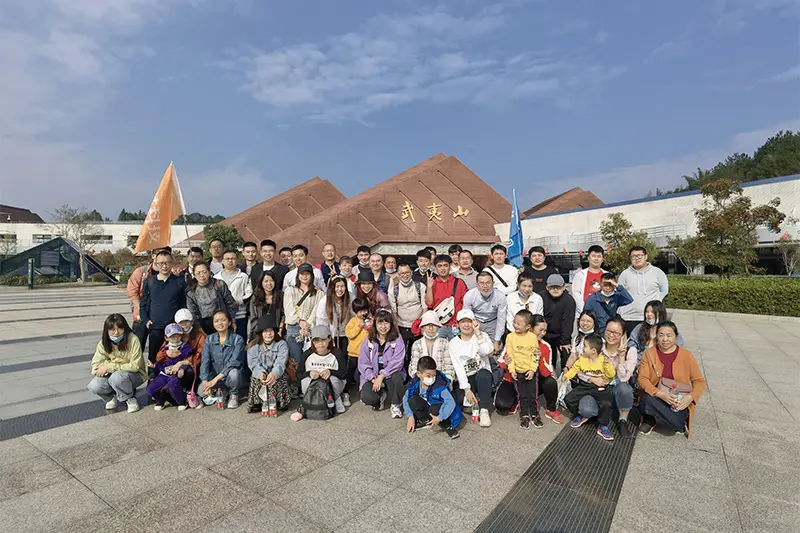
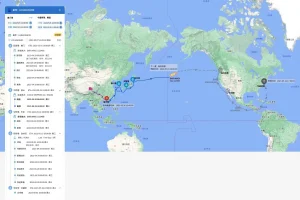
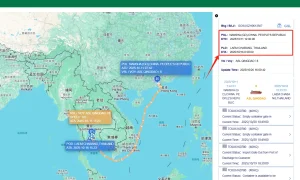
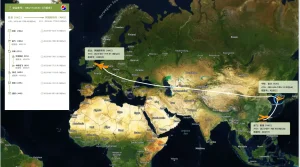
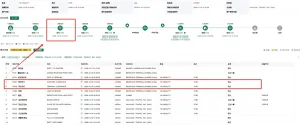
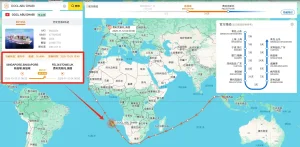
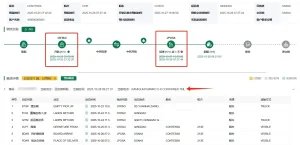
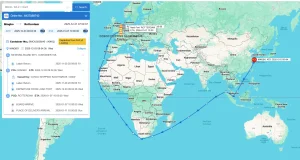
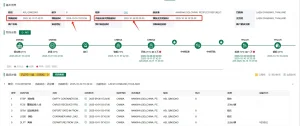
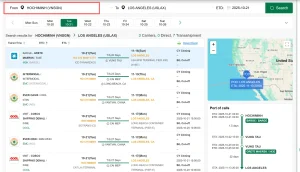
Trackingeyes Operations Control Center - Visualizing Transpacific Port Ingestion and Air Transit data.
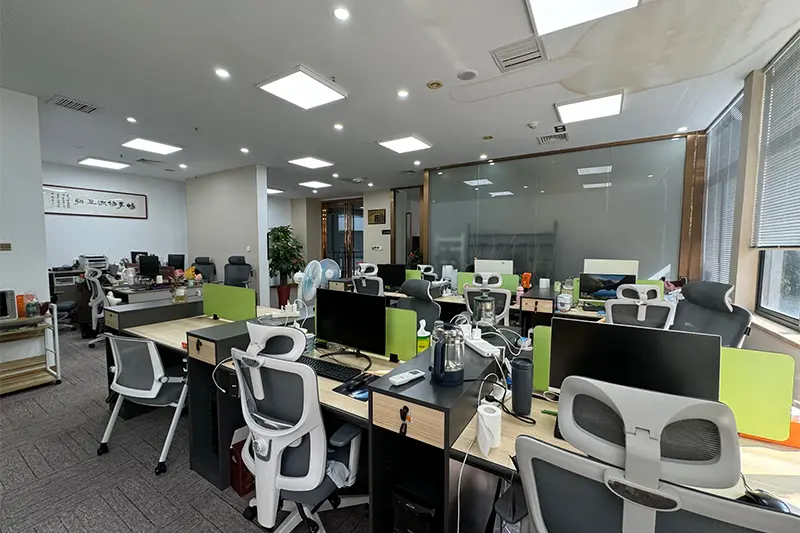
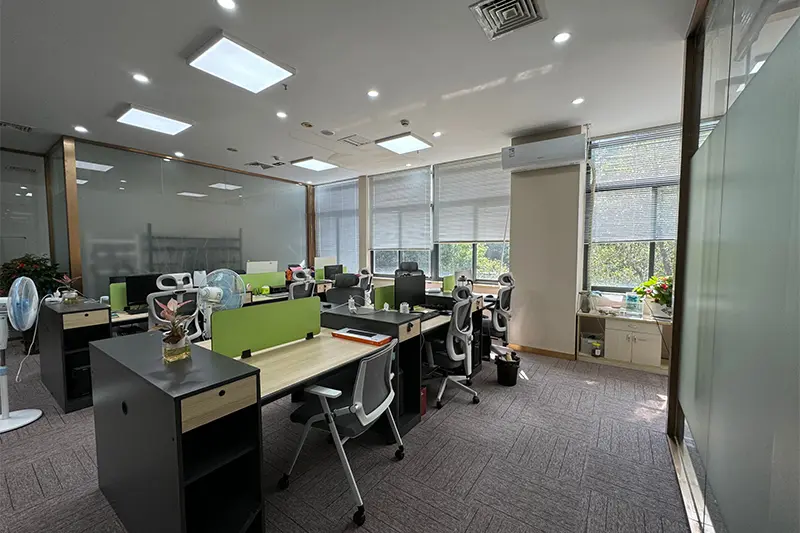
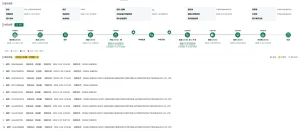
By establishing seamless pipelines with maritime carriers, major international airline networks, and multi-national customs authorities, Trackingeyes breaks down functional silos. Supply chain managers are no longer forced to cross-reference multiple legacy carrier sites to gain insight into transit statuses.
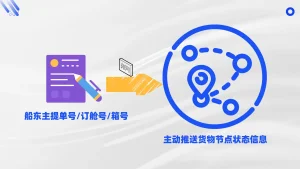
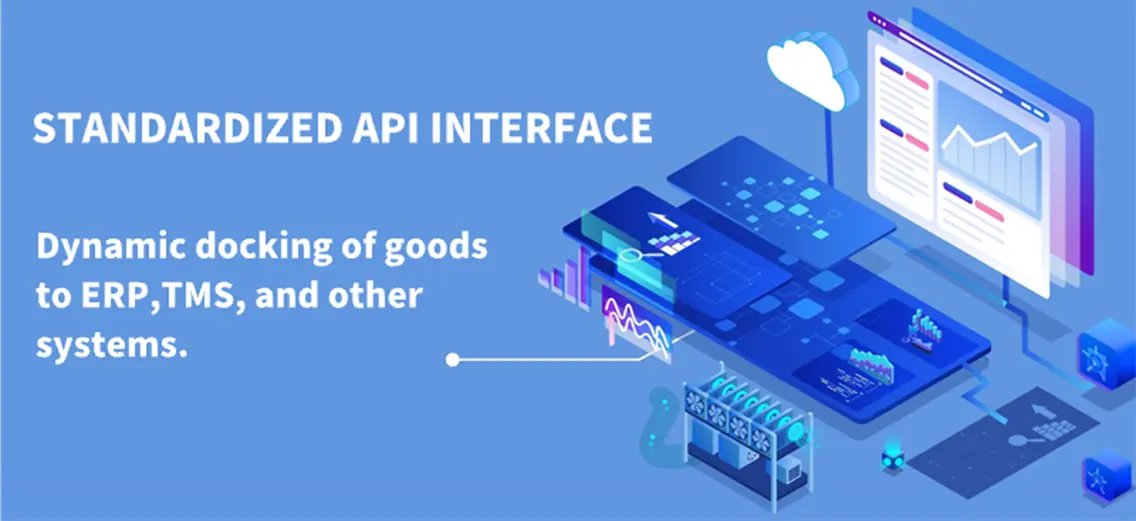
Through API interface integration, the dynamics of goods can be automatically written back to internal systems and customer service systems of the enterprise, assisting global logistics enterprises, supply chain enterprises, cross-border e-commerce enterprises, software platforms and other enterprises to achieve more efficient and refined goods tracking management, and to do risk control and prediction in advance.
The maritime and aviation trade corridors between China and Canada represent one of the most critical arterial routes in global logistics. Connecting the manufacturing powerhouses of the Yangtze River Delta, the Pearl River Delta, and northern industrial hubs (such as Tianjin and Qingdao) to Canadian entry points like the Port of Vancouver, Port of Prince Rupert, and major airports (YVR, YYZ, YUL), this corridor commands millions of TEUs and hundreds of thousands of air freight tons annually.
However, modern logistics managers face complex barriers. Geopolitical shifts, customs audits (including Canada Border Services Agency’s CARM system), rail congestion at major interchanges like Chicago or Winnipeg, and extreme climate disruptions on the Canadian West Coast create unprecedented bottlenecks. To remain competitive, relying on static schedules or simple millstone tracking is no longer sufficient. Supply chain leaders need dynamic, predictive data to track their goods in real-time, mitigate demurrage, and maintain manufacturing or inventory control.
Did you know? Over 40% of transpacific transit delays between Shenzhen/Ningbo and Toronto/Montreal are caused not by high seas disruptions, but by land-side rail handoff friction and port-opening scheduling mismatches at Vancouver and Prince Rupert gateways.
To establish absolute chain visibility, tracking must begin at the source—the factory floor in China. Working directly with Chinese manufacturers, Trackingeyes incorporates real-time tracking from factory release to local port delivery. This ensures complete clarity concerning the first-mile leg, which is often a blind spot for Canadian buyers. By integrating electronic cargo releases, warehouse milestones, and port-opening alert triggers, buyers can accurately predict whether their goods will meet scheduled cut-offs or suffer costly container rollings.
Automatic detection of cargo exit from factory premises and delivery updates to major hubs like Shanghai, Shenzhen, or Qingdao.
Real-time calculation of container yard (CY) closing times to avoid late gate-in fees and optimize domestic haulage routes.
Immediate digital verification against ocean carrier manifests, ensuring data cleanliness prior to customs filing.
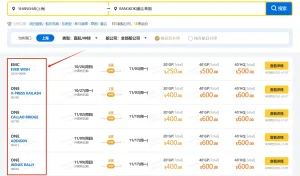
Logistics tracking should not be considered an operational cost; it is an active risk mitigation strategy. When analyzing the pricelist for tracking services, businesses must weigh the cost against potential savings in detention, demurrage, lost customer loyalty, and production shutdowns. Trackingeyes maintains a transparent pricing methodology based on API payload volumes, update frequencies, and custom endpoint configurations.
The table below highlights standard pricing categories and features optimized for China-to-Canada lanes:
| Service Tier | Target Audience | Frequencies & Data Points | Estimated Value Addition (ROI) |
|---|---|---|---|
| Standard API Ocean Track | SMB Importers & Manufacturers | 12-Hour Milestone Scrapes (Ocean carriers, terminal statuses) | Eliminates manual manifest checks; reduces labor hours by up to 35%. |
| Premium Real-Time AIS Track | Enterprise Logistics & 3PLs | Hourly AIS Geofencing + Predictive AI ETA updates | Prevents destination terminal delays and demurrage penalties. |
| Integrated Air & Customs API | E-commerce & Express Shippers | Real-time flight path pinging & CBSA status alerts | Speeds up cross-border customs hand-offs; minimizes delivery failures. |
| Custom Enterprise Core | Global Multi-Nationals | Tailored Webhook architecture, full ERP write-back integration | Comprehensive supply chain control tower with automated workflows. |
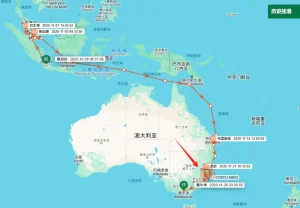
Traditional tracking systems run on static EDI feeds. These updates depend on human actions and are often delayed by hours or even days. Trackingeyes uses a multi-layered data ingestion system that combines AIS satellite signals, port operating system (TOS) APIs, and AI models to predict port congestion and ship ETAs.
For shipments going to Canada, this technology helps solve key issues at the Port of Vancouver and the Port of Prince Rupert. Our AI system monitors container dwell times and analyzes historical rail line data. When a vessel enters the Canadian Exclusive Economic Zone (EEZ), the system calculates the actual time to berth (ATB), factoring in local weather conditions and berth queue lengths. This gives importers a realistic delivery date up to five days earlier than carrier systems.
This predictive data integrates with internal ERPs like SAP, Oracle, or Microsoft Dynamics, and TMS tools like CargoWise. This automates workflows, so warehouse teams in Ontario or Quebec can schedule labor and last-mile trucks based on real container availability, avoiding high-cost stand-by fees.
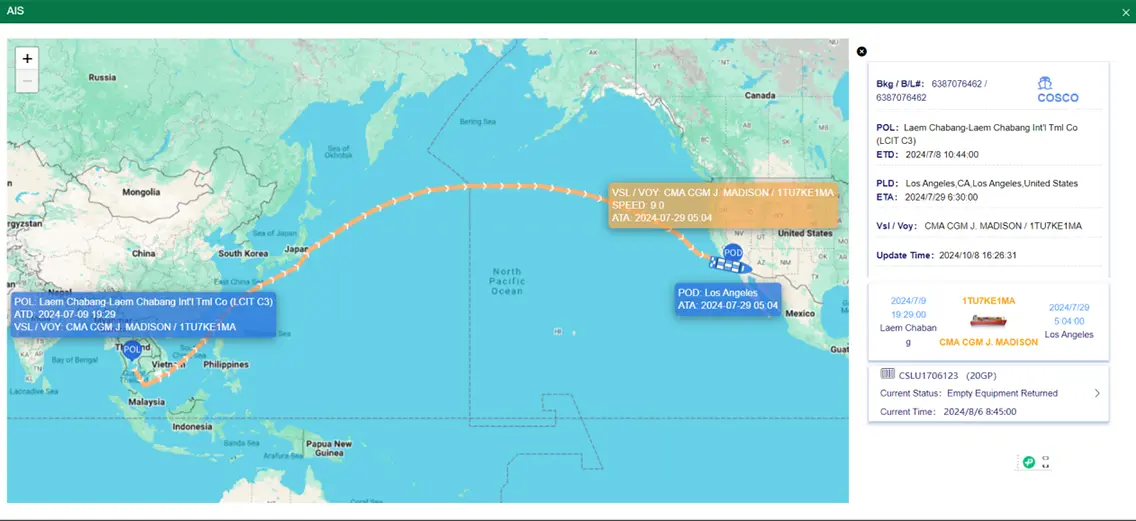
Connecting custom API integrations directly to customer database portals for instantaneous dashboard populating.
A tier-one Canadian automotive supplier importing high-value components from Wuhan faced constant issues due to delays on the rail line between Prince Rupert and Southern Ontario. Carrier ETAs remained static, leading to manufacturing line shutdowns. By implementing Trackingeyes AIS tracking alongside our Prince Rupert Port-Opening alert system, the client was able to see delays at the terminal before the ship even arrived. By receiving early warnings of rail delays, they were able to re-route critical parts via air freight, saving over $120,000 in assembly line shutdown penalties.
A fast-growing cross-border e-commerce brand faced high rates of delivery failures due to inaccurate last-mile timing. By integrating the Trackingeyes Automated Air Freight API, they could track cargo from Shanghai Pudong (PVG) to Toronto Pearson (YYZ). This integration automated their warehouse management system, alerting local delivery partners the moment customs cleared the cargo. This improved their next-day delivery rate by 22% and reduced customer support inquiries by 40%.
The global logistics industry is moving toward automated, self-correcting supply chains. Let's look at three key trends impacting China-Canada trade:
Integrate our industry-leading Trackingeyes API. Gain access to real-time ocean and air cargo tracking, and automate your logistics workflows today.
Connect with an Integration SpecialistUnlock end-to-end visibility with our trusted tracking platform. We bring proven reliability to both ocean and air cargo tracking, giving you the accurate data and control needed to streamline operations from port to runway.
 Trackingeyes