Select from our premium maritime and cross-border transport optimization systems.
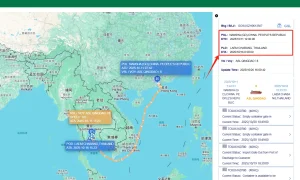
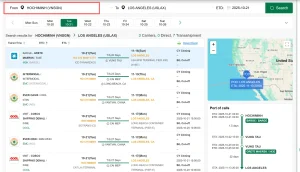
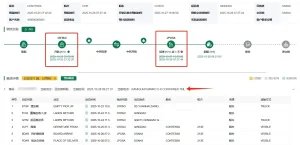
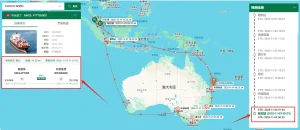
The global maritime industry is experiencing a profound paradigm shift. The convergence of strict regulatory mandates, volatile supply chain routes, and digital ecosystems has transformed the Automatic Identification System (AIS) from a basic collision-avoidance protocol into a strategic pillar of global logistics and asset visualization.
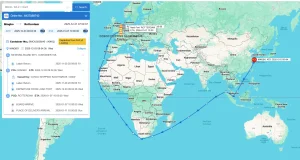
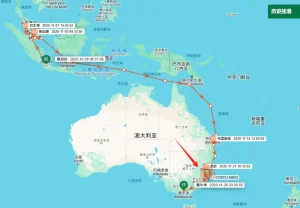
Historically, maritime visibility was siloed and reactive. Logistics managers and vessel operators relied on spotty updates from ports and daily vessel reports. Today, global supply chains demand continuous precision. S-AIS (Satellite AIS) paired with terrestrial AIS receivers allows enterprises to track vessel location, voyage course, dynamic velocity, and maritime traffic flow even in the middle of vast oceans. As trade routes become increasingly complex and subject to unexpected disruptions—such as environmental lockages or geopolitical shifts—real-time AIS data allows supply chain networks to stay agile and responsive.
As the hub of industrial production and electronics integration, China boasts unmatched structural efficiency in the production of maritime IoT tracking hardware. Our manufacturing processes combine the advantages of high-volume component procurement, world-class testing infrastructure, and rapid engineering iterations.
Our hardware undergoes harsh environmental chamber test cycles to ensure absolute operation under marine corrosion, Extreme shock limits, and intense humidity levels matching ITU standards.
Proximity to major component manufacturers and custom silicon designers speeds up prototyping and reduces production times, allowing us to build devices faster than Western competitors.
Unlike rigid off-the-shelf transceivers, our engineering team modifies communication scripts, message output schemas, and diagnostic data points to suit specific client API requirements.
Founded in 2015, Trackingeyes has grown into a leading global provider of end-to-end logistics tracking and supply chain visualization solutions. Armed with a founding team boasting over ten years of deep maritime and logistics expertise, we deeply understand the pain points of today’s supply chain operators. We specialize in global end-to-end cargo tracking across ocean, rail, and air transit modes, serving thousands of import and export enterprises worldwide.
Our technology platform achieves full chain data coverage from source to terminal by aggregating and processing inputs from various sources, including logistics information from stations, marine ports, customs databases, shipping companies, and airlines. Through the Trackingeyes Platform, our customers can quickly connect to hundreds of global data sources, greatly improving the speed and intelligence of logistics tracking.
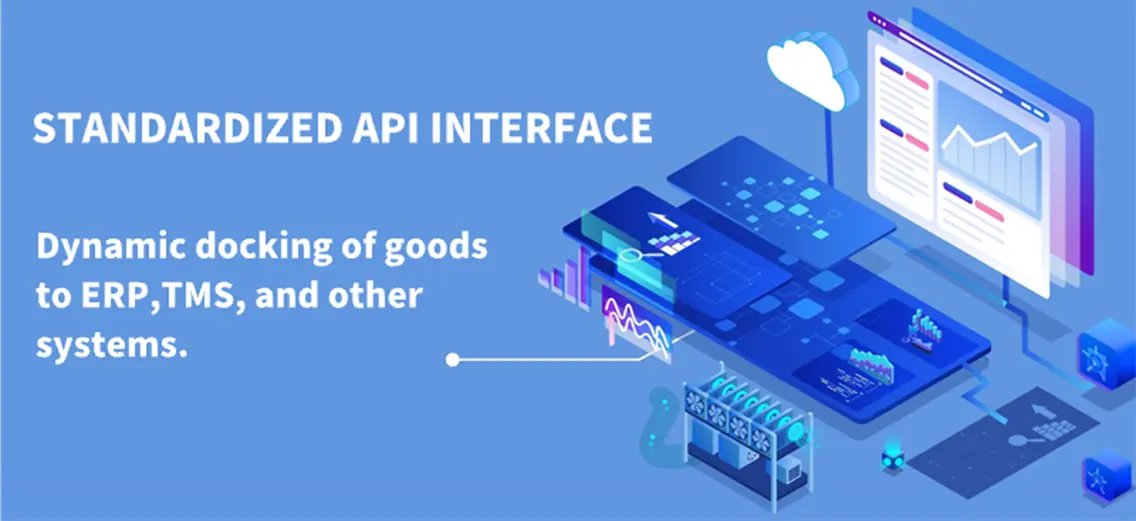
Through direct API integration, cargo status updates are automatically written back to customers’ internal ERP systems and customer service desks. This helps global logistics providers, supply chain platforms, cross-border e-commerce networks, and software companies achieve more refined cargo management, control risks in advance, and make reliable ETA predictions.

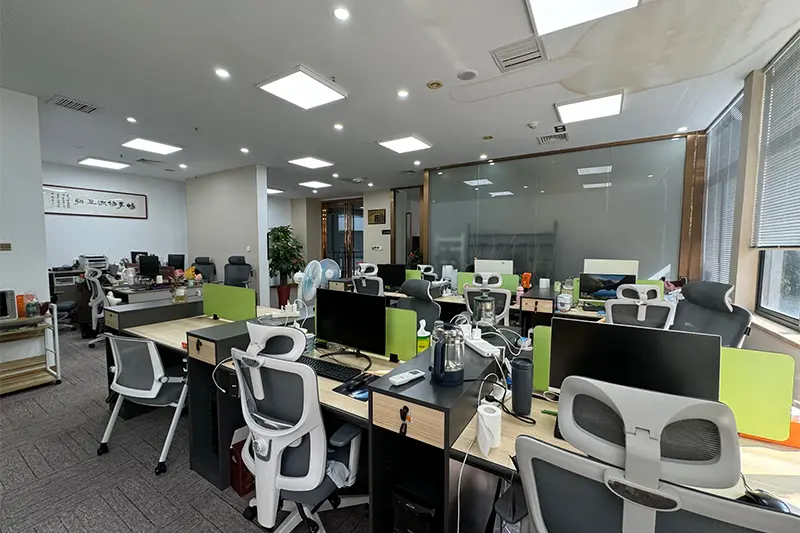
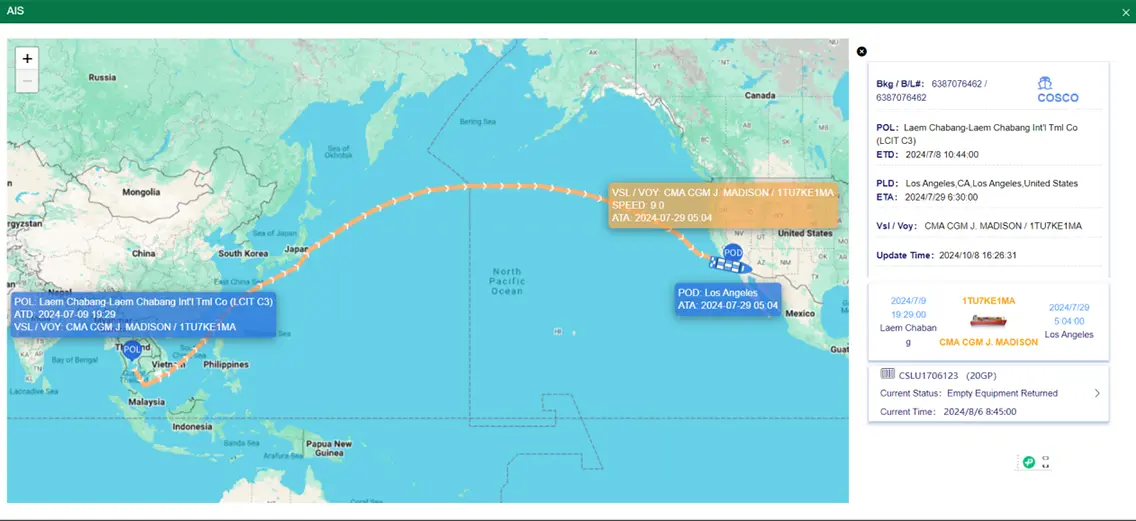
From complex maritime routes to multimodal domestic hubs, see how enterprise logistics teams deploy Trackingeyes systems to optimize operations.
During peak shipping seasons, ports like Rotterdam or Los Angeles experience severe congestion. By deploying our tracking system, import managers receive automated alerts when a vessel enters a designated geofence. By cross-referencing live AIS coordinates with real-time port queues, logistics managers can reroute inland freight ahead of time, avoiding costly demurrage fees.
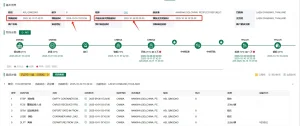
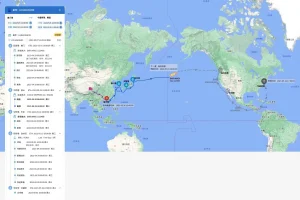
For transpacific journeys moving from ships to North American rail systems, timing is critical. Our system uses advanced prediction engines to calculate dynamic ETAs. This information is directly fed to container yards and drayage carriers to make sure trucks and chassis are ready the moment a container is unloaded, eliminating dead miles and idle drivers.
Through custom API integrations, cross-border e-commerce brands use Trackingeyes to send automated, real-time shipment updates. Rather than requiring manual checks across different carrier portals, customers receive automated status notifications. This reduces customer support inquiries by up to 35% and builds strong brand trust.
As the shipping industry moves toward automation, the demand for high-frequency tracking data is increasing. Modern maritime tracking is evolving from passive history reports to predictive foresight models.
Modern algorithms process historical voyages, seasonal weather patterns, and real-time ship speeds to forecast potential journey delays. Machine learning models can flag delays before a vessel even encounters them.
With the deployment of private low-earth-orbit (LEO) satellite constellations, AIS transmission lag over open water is dropping from hours to mere seconds. This ensures continuous, real-time updates for even the most remote ocean routes.
AIS tracking helps fleet operators monitor speed profiles and optimize voyages, significantly reducing fuel consumption. This support is critical for shippers meeting modern carbon-reduction targets.
The industry is moving toward unified platforms that combine dry container sensors, temperature trackers, and vessel AIS into a single dashboard, providing complete supply chain visibility.
Global sourcing managers must carefully evaluate hardware quality and software performance before selecting an AIS tracking provider.
Ensure all devices comply with major international standards like CE, FCC, RoHS, and ITU-R M.1371.
Choose a platform that supports standard JSON webhooks, securing rapid integration with existing ERP platforms.
Ensure hardware carries IP67 water protection to survive extreme, long-term marine exposure.
Verify the manufacturer provides 24/7 technical support to quickly handle integration or connection issues.
Get answers to common technical and operational questions regarding AIS systems and Trackingeyes API integrations.
Review our air cargo APIs, port coordination systems, and last-mile tracking options.

 Trackingeyes