Explore our premium real-time data visualizers and open API interfaces tailored for modern freight forwarding networks.
Modern supply chains are highly fragmented. Cargo moving across maritime borders, international skies, and domestic rail corridors is often subject to administrative friction, communication silos, and incomplete telemetry data. The paradigm of China 180 Cargo Tracking bridges the traditional blindspots between shipment dispatching and arrival by creating a unified 180-degree view of cross-border transport nodes.
With global commerce facing unprecedented disruptions—ranging from geopolitical port choke points to sudden weather-induced schedule drifts—enterprises can no longer rely on static shipping documents. Real-time logistics visibility has transitioned from a competitive advantage to a fundamental operational requirement. Companies that employ unified data integrations reduce detention and demurrage fees, optimize warehouse staffing, and deliver superior customer service.

Trackingeyes: Reliable Ocean & Air Cargo Tracking for a Smoother Supply Chain
Founded in 2015, Trackingeyes is a leading provider of global end-to-end logistics tracking and supply chain visualization solutions. With a founding team boasting over ten years of logistics expertise, we deeply understand industry pain points. We specialize in global end-to-end cargo tracking by sea and air, serving thousands of import and export enterprises worldwide. Our services include customizable tracking solutions and open API data interfaces to enhance supply chain visibility and operational efficiency.
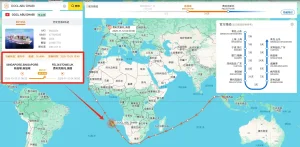
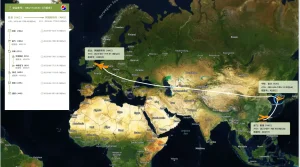
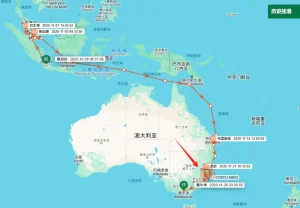
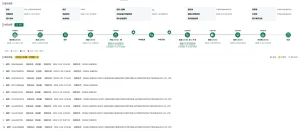
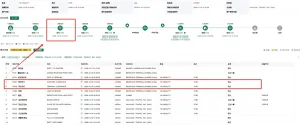
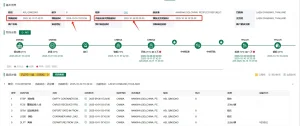
The platform achieves full chain data coverage from the source to the terminal through the collection and aggregation of data sources, including logistics information from various data sources such as stations, terminals, customs, shipping companies, and airlines. Through the Trackingeyes’ Platform, customers can quickly connect with hundreds of global data sources, greatly improving the efficiency and intelligence of logistics tracking.
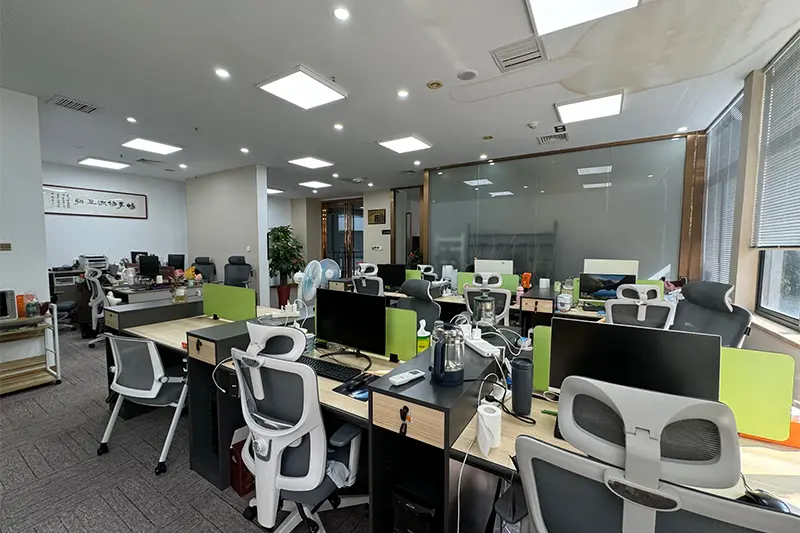

Unlock end-to-end visibility with our trusted tracking platform. We bring proven reliability to both ocean and air cargo tracking, giving you the accurate data and control needed to streamline operations from port to runway.
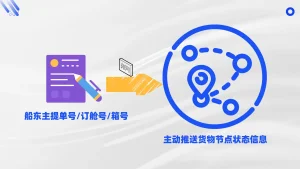
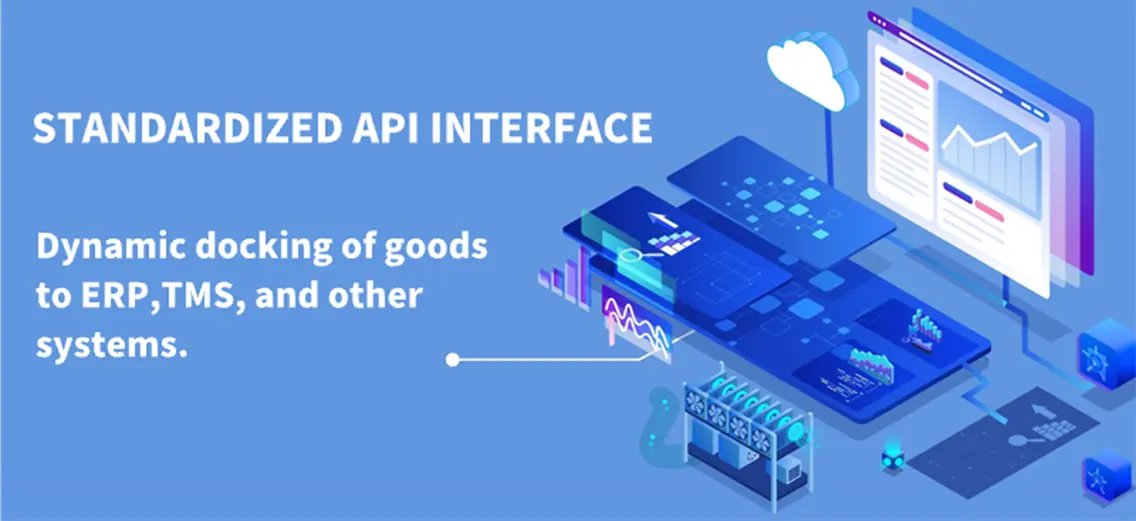
Through API interface integration, the dynamics of goods can be automatically written back to internal systems and customer service systems of the enterprise, assisting global logistics enterprises, supply chain enterprises, cross-border e-commerce enterprises, software platforms and other enterprises to achieve more efficient and refined goods tracking management, and to do risk control and prediction in advance.
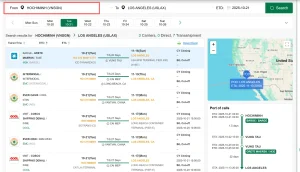
Delivering sub-second latency tracking updates across major international hubs.
How localized technological synergy at the port of origin ensures global operational stability.
China remains the world's primary manufacturing powerhouse, operating vast economic networks that demand high cargo throughput. The integration of China 180 Cargo Tracking solutions directly at Chinese factories changes the paradigm of cargo visibility. Rather than starting tracking protocols when the container arrives at the port gate, tracking begins when the goods leave the factory loading bay.
Chinese factories excel in automation, manufacturing velocity, and scale. Our local APIs integrate directly with factory warehouse management systems (WMS). This ensures that export declarations, cargo weight, customs clearances, and booking schedules match seamlessly. As a result, global procurement teams receive proactive notifications before the vessel sails, saving critical lead time and mitigating container roll-over risks.
Furthermore, China’s domestic transport infrastructure is heavily digitized. From automated port cranes in Shanghai and Ningbo-Zhoushan to digital customs systems, data is available in near-real-time. We harness these source connections directly, allowing logistics companies to achieve terminal-to-terminal visibility. When a shipment leaves a Chinese industrial park, it is monitored by AI-driven geo-tracking, reducing errors and providing a steady stream of milestone events.
Explore the localized application scenarios and core systems driving modern cargo logistics.
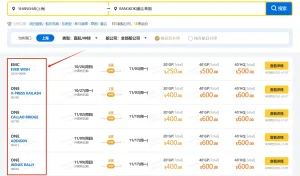
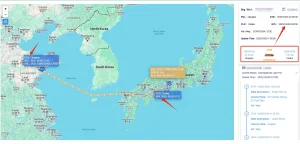
Connect with carrier sailing schedules and dynamic flight pathways through a single, lightweight RESTful API, reducing software integration overhead by up to 60%.
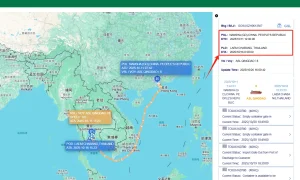
Leverage spatial-temporal sequence modeling and historical port congestion indices to predict accurate vessel arrival times, reducing container delays by up to 35%.
Combine point-of-origin export data and destination port clearance statuses to manage the final transport leg, preventing cargo pick-up failures and cost overheads.
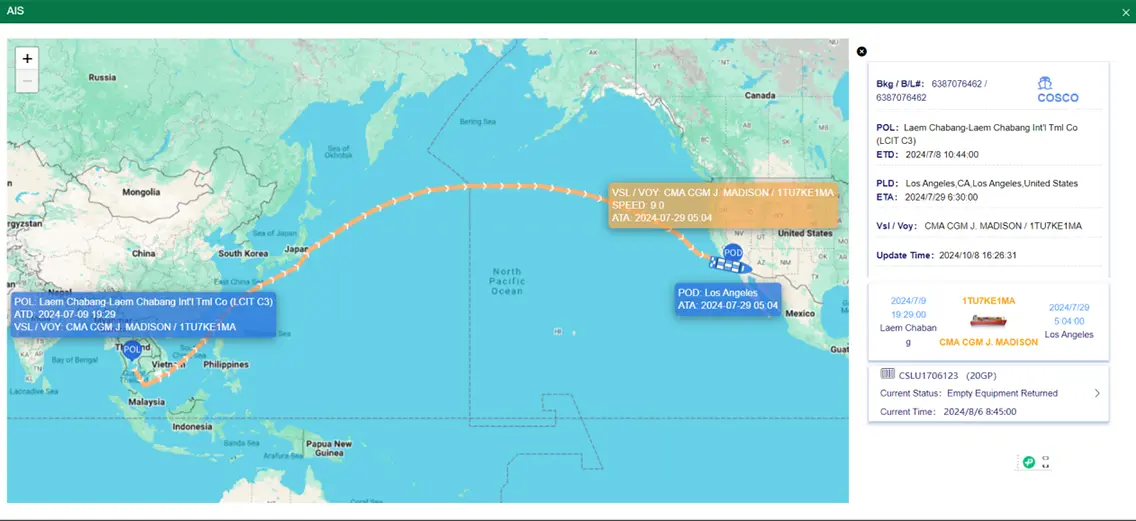
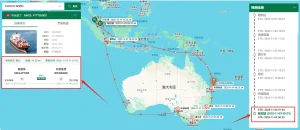
Behind the Scenes: Our core system development and executive operations focus on bridging real-time satellite AIS vessel telemetry and warehouse-level inventory updates to build a unified transport timeline.
Key factors procurement officers consider when evaluating enterprise-grade supply chain tracking systems.
A reliable logistics tracking solution should not rely on a single data source. Modern systems combine global vessel AIS transponders, mobile carrier cell tower tracking, road GPS networks, and airline cargo booking APIs. This multi-source telemetry filters out erroneous signals, providing reliable milestones and accurate event tracking.
Enterprise procurement teams value software platforms that integrate smoothly with existing enterprise resource planning (ERP) systems like SAP and Oracle, as well as transport management systems (TMS) like CargoWise. Open RESTful APIs simplify connection procedures, enabling automatic data write-backs without requiring complex code updates.
Traditional tracking systems are reactive, alerting users only after a delay has occurred. Advanced tracking technologies utilize machine learning models to analyze weather, trade lane traffic, and historic terminal wait times to flag potential disruptions days before they occur, allowing supply chain managers to reroute shipments proactive.
Container transit does not end when the vessel docks. Real-time updates must cover the customs clearance window and last-mile drayage. Providing clear visibility into inland transport hubs prevents destination-port pick-up failures, minimizing demurrage charges and storage fees.
Answers to key questions regarding the deployment, integration, and capabilities of Trackingeyes Solutions.
Maximize operational efficiency and logistics visibility with our scalable open-ended APIs and tracking solutions.
 Trackingeyes