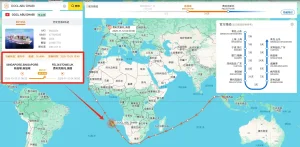
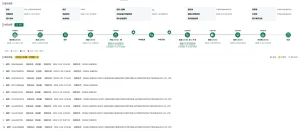
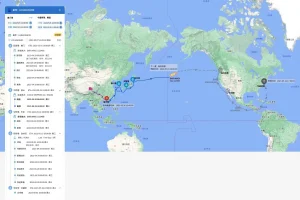
Enhance tracking control, manage risk, and streamline logistics workflows with our top-tier API and system integration services.
As China transition into the era of Industrial Internet of Things (IIoT) and Smart Factory 4.0, the demand for high-fidelity logistics visibility has grown exponentially. The manufacturing landscape is no longer just about production output; it is about predictive timing, precise loading synchronization, and real-time coordination with maritime and air cargo fleets.
Integrating telemetry from modern factories directly with global logistics nodes is the next milestone in supply chain resilience. Through the application of the China 125 Cargo Tracking framework, manufacturers can synchronize their internal enterprise resource planning (ERP) systems with maritime carrier manifests, reducing idle time at port storage areas and lowering container demurrage liabilities.
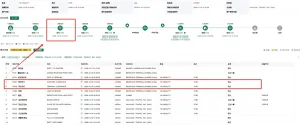
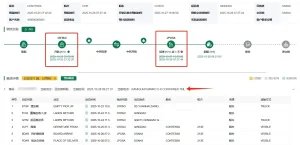
By establishing digital twin environments of the shipping process, logistics operators can view shipping milestones from production line exit, container gate-in at terminal yards, to ocean container vessel departures.
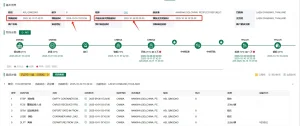
Managing terminal cut-off and port opening parameters is key to securing dynamic cargo slots. Missing container cut-offs can lead to penalties ranging from $500 to over $3,000 per shipment, alongside delays in subsequent delivery channels.
Our cargo tracking methodology continuously updates milestone estimates, ensuring that dispatchers align truck arrivals with container terminal opening hours to optimize delivery timing.
Addressing visibility gaps across international distribution networks using automated, API-driven tracking solutions.
Securing cross-border data transfer through encrypted end-to-end APIs. Our services align with regional data standards, protecting proprietary shipping lane metrics and transaction data.
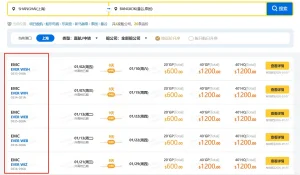
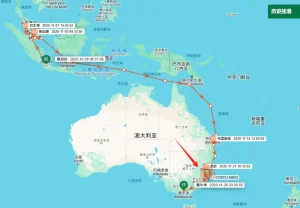
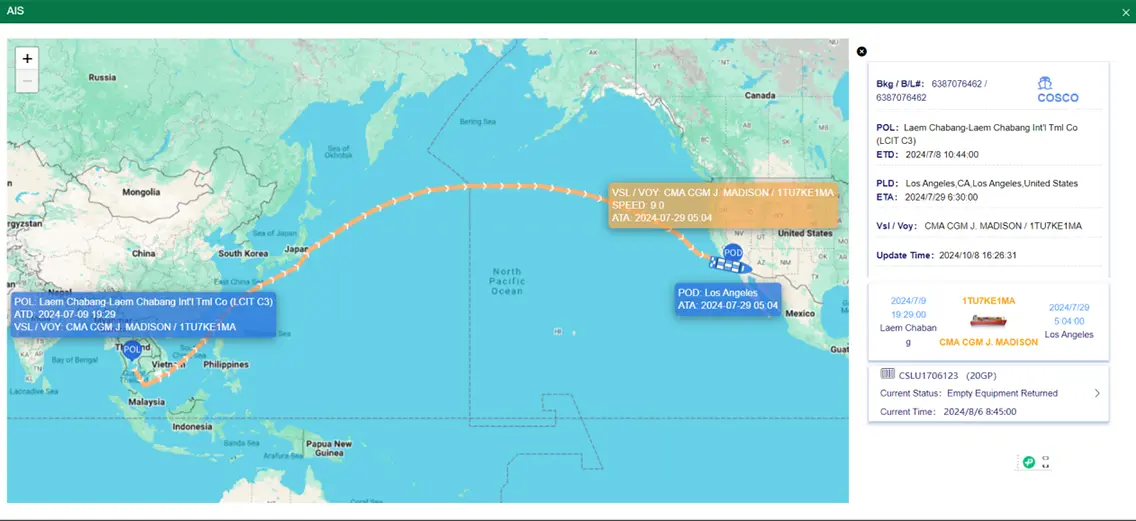
Traditional tracking relies on fixed schedule estimates. By analyzing real-time vessel speed, congestion at destination ports, and regional weather conditions, we compute dynamic ETAs to provide accurate arrival predictions.
Automated customs tracking bridges the gap between terminal operations and local logistics partners, helping shippers prepare documentation early and minimize port delays.
| Tracking Parameter | Legacy Portal Approaches | Trackingeyes Automated API System | Operational Efficiency Gains |
|---|---|---|---|
| Ocean Vessel ETA Updates | Manual carrier website checks twice a day | Automated, near real-time AIS geolocation polling | Eliminates manual entry; flags delays earlier |
| Air Cargo Tracking | Static air waybill (AWB) status lookups | Instant updates across global flight networks | Improves planning for hot-run distributions |
| Customs Clearance Status | Phone calls and emails with local brokers | Direct status updates from regional hubs | Allows quick dispatch of destination transport |
| Rate Management & Surcharges | Spreadsheet lists updated once a week | Integrated API for current rates and surcharges | Prevents invoicing disputes with partner carriers |
Modern global commerce demands integration across multiple transit networks. Large logistics operators require single-pane visibility across complex international supply chains.
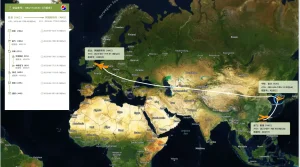
By combining Automatic Identification System (AIS) vessel telemetry, air waybill tracking, and last-mile trucking data, our platform translates disparate tracking data into actionable business intelligence.
Using our unified interface, companies can identify transit delays, optimize route selections, and improve shipping efficiency. Rather than handling fragmented data from various carriers, businesses receive standardized updates, helping them maintain operational continuity across different transit lanes.
Pioneering predictive analytics and automated exceptions reporting to change how logistics operations manage transit risks.
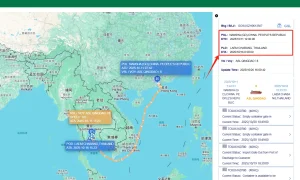
Developing geofencing protocols around high-congestion shipping lanes to trigger automated notifications the moment a vessel deviates from its planned course.
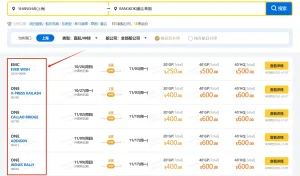
Linking real-time container transit data with live freight rate changes, helping shippers match scheduling updates with the most cost-effective freight tariffs.
Utilizing historical port congestion datasets, seasonal holiday metrics, and weather patterns to train prediction engines for accurate cargo ETA forecasting.
Navigating global regulatory landscapes requires deep local knowledge and strict compliance protocols. In cross-border transport, customs declarations must meet both domestic and destination regulations to prevent cargo delays and potential fines.
Our solutions provide tools to manage compliance across key logistics regions. By linking local port customs status with international transit tracking, we help supply chain managers verify document compliance before cargo arrives at destination gates.
From satisfying European import manifest rules to aligning with North American freight security standards, our integration framework helps ensure that your shipments remain compliant across all customs checkpoints.
Founded in 2015, Trackingeyes is a leading provider of global end-to-end logistics tracking and supply chain visualization solutions.

With a founding team boasting over ten years of logistics expertise, we deeply understand industry pain points. We specialize in global end-to-end cargo tracking by sea and air, serving thousands of import and export enterprises worldwide. Our services include customizable tracking solutions and open API data interfaces to enhance supply chain visibility and operational efficiency.
The platform achieves full chain data coverage from the source to the terminal through the collection and aggregation of data sources, including logistics information from various data sources such as stations, terminal, customs, shipping companies, and airlines.
Through the Trackingeyes’ Platform, customers can quickly connect with hundreds of global data sources, greatly improving the efficiency and intelligence of logistics tracking.


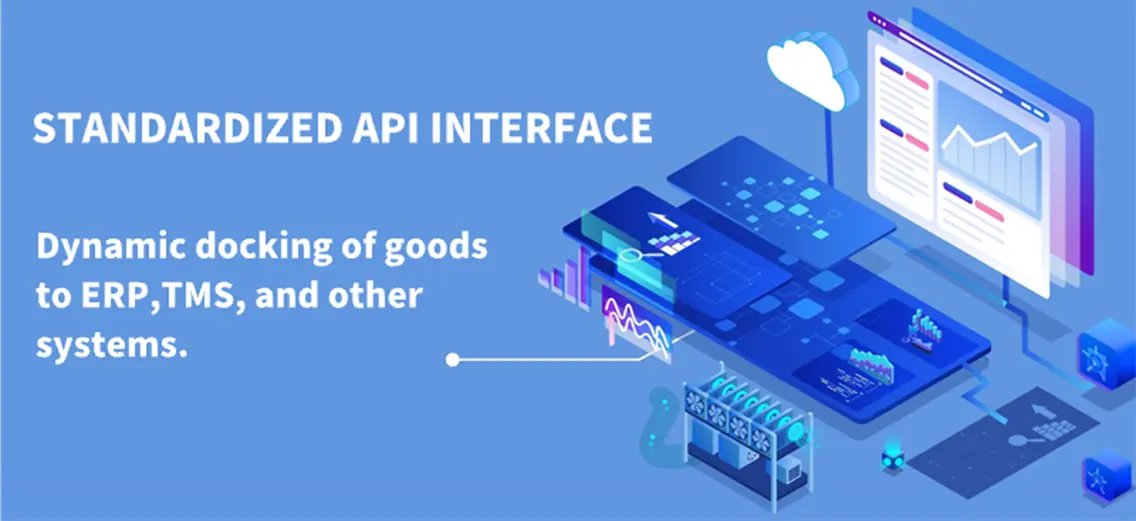
Through API interface integration, the dynamics of goods can be automatically written back to internal systems and customer service systems of the enterprise, assisting global logistics enterprises, supply chain enterprises, cross-border e-commerce enterprises, software platforms and other enterprises to achieve more efficient and refined goods tracking management, and to do risk control and prediction in advance.
We bring proven reliability to both ocean and air cargo tracking, giving you the accurate data and control needed to streamline operations from port to runway.
Expert insights into common challenges around API integration, container tracking, and global logistics visibility.
Explore our specialized APIs designed to streamline sailing schedule analysis, ETA updates, and port operations.
 Trackingeyes