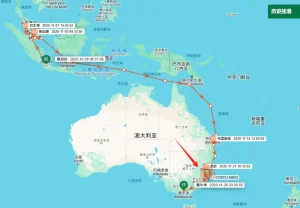
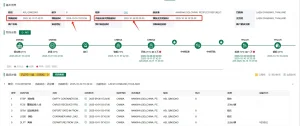
Explore our cutting-edge tracking systems, API integrations, and maritime-to-air visualization tools designed to eliminate blind spots in your supply chain.
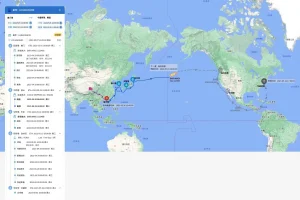
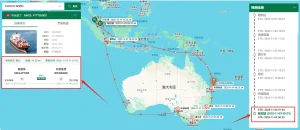
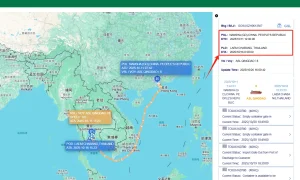
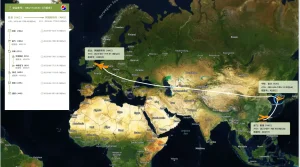
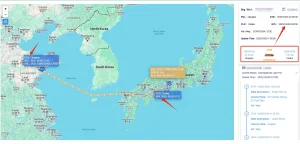
How digital transformation is reshaping air freight visibility from static waybills to dynamic, real-time data streams.
In the high-velocity world of modern logistics, QR Air Cargo Tracking has emerged as a cornerstone technology. Historically, tracking air cargo relied heavily on manual entry of Air Waybill (AWB) numbers and legacy EDI systems. These methods were prone to human error, latency, and significant data gaps. Today, the integration of Quick Response (QR) codes linked to cloud-based IoT networks has revolutionized how cargo is monitored from origin to destination.
By scanning a QR code attached to a unit load device (ULD) or individual pallet, handlers instantly update the cargo's status in a centralized database. This provides immediate visibility to shippers, freight forwarders, and consignees. The trend is moving rapidly toward smart QR codes—dynamic labels that not only identify the shipment but are also linked to environmental sensors monitoring temperature, humidity, and shock. This evolution is critical for high-value, time-sensitive shipments such as pharmaceuticals and advanced electronics.
Furthermore, the integration of AI and machine learning allows logistics platforms to analyze historical scan data to predict potential bottlenecks at major transit hubs. This shift from reactive tracking to predictive logistics is the hallmark of the modern air cargo industry, ensuring that supply chain managers can mitigate risks before they result in costly delays.

Understanding the critical requirements of enterprise buyers and supply chain directors worldwide.
Enterprise buyers require seamless data flow. Modern procurement mandates that tracking data must integrate directly into existing ERP systems (such as SAP or Oracle) via open APIs, eliminating the need to log into multiple carrier portals.
Static schedules are no longer sufficient. Global procurement teams prioritize tracking services that leverage AI to calculate dynamic ETAs, factoring in weather patterns, airport congestion, and historical customs clearance times.
For high-value cargo, chain of custody is paramount. QR tracking systems must provide tamper-evident digital logs that satisfy international security standards and customs compliance requirements, reducing the risk of theft and compliance penalties.
How smart manufacturing hubs leverage advanced tracking technologies to guarantee global delivery timelines.

As China transitions to the Factory 4.0 standard, the integration of manufacturing and logistics has reached unprecedented levels. Chinese factories are no longer just production centers; they are highly integrated nodes in a global digital supply chain. By implementing QR-based tracking at the very end of the assembly line, manufacturers can generate a digital twin of the cargo before it even leaves the warehouse floor.
This early-stage serialization allows for seamless handoffs to logistics providers. When cargo is dispatched for air freight, the pre-mapped QR codes enable instant customs pre-clearance and automated booking matching. This level of automation drastically reduces dwell times at major hubs like Shanghai Pudong (PVG) or Shenzhen Bao'an (SZX) airports.
The resilience of this system was proven during recent global supply chain disruptions. While traditional logistics networks struggled with backlogs, Factory 4.0 enabled facilities utilized real-time tracking data to dynamically reroute shipments, switch between air and sea-air multimodal options, and maintain production schedules for overseas buyers. This efficiency is a primary reason why global enterprises continue to rely on Chinese manufacturing partners.
Analyzing the macroeconomic factors driving the adoption of real-time air cargo tracking.
The global air cargo market is operating under tight capacity constraints and fluctuating fuel prices. In this high-cost environment, operational efficiency is the only way to maintain margins. Industrial sectors such as automotive manufacturing, aerospace, and high-tech electronics rely on "just-in-time" (JIT) inventory models. A delay of even a few hours in receiving a critical component can halt an entire production line, costing companies millions of dollars.
Consequently, the demand for high-fidelity tracking services has skyrocketed. According to industry reports, companies utilizing advanced tracking and predictive ETA solutions have seen a 30% reduction in supply chain disruptions and a significant decrease in expedited shipping costs. The commercial landscape is shifting toward collaborative logistics, where manufacturers, carriers, and consignees share a single source of truth. This transparency fosters trust and allows for more agile decision-making across the entire value chain.
How different industries apply QR air cargo tracking to solve specific operational challenges.
In the distribution of vaccines and biologics, temperature control is critical. QR codes linked to Bluetooth low-energy (BLE) data loggers allow ground handlers to scan the package at each transfer point, instantly verifying that the cold chain remained unbroken throughout the flight.
For shipments of microchips and consumer electronics, security is the primary concern. Scanning QR codes at precise handoff points creates an immutable digital custody chain, deterring theft and pinpointing the exact location if a discrepancy occurs.
Assembly plants require parts to arrive exactly when needed. QR tracking integrated with factory ERPs allows production managers to monitor the transit of critical components in real-time, adjusting assembly schedules dynamically if a flight is delayed.
Your trusted partner in global end-to-end logistics tracking and supply chain visualization.
Founded in 2015, Trackingeyes is a leading provider of global end-to-end logistics tracking and supply chain visualization solutions. With a founding team boasting over ten years of deep logistics expertise, we thoroughly understand industry pain points. We specialize in global end-to-end cargo tracking by sea and air, serving thousands of import and export enterprises worldwide.
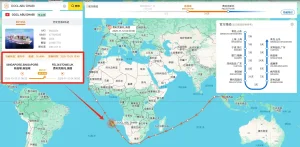
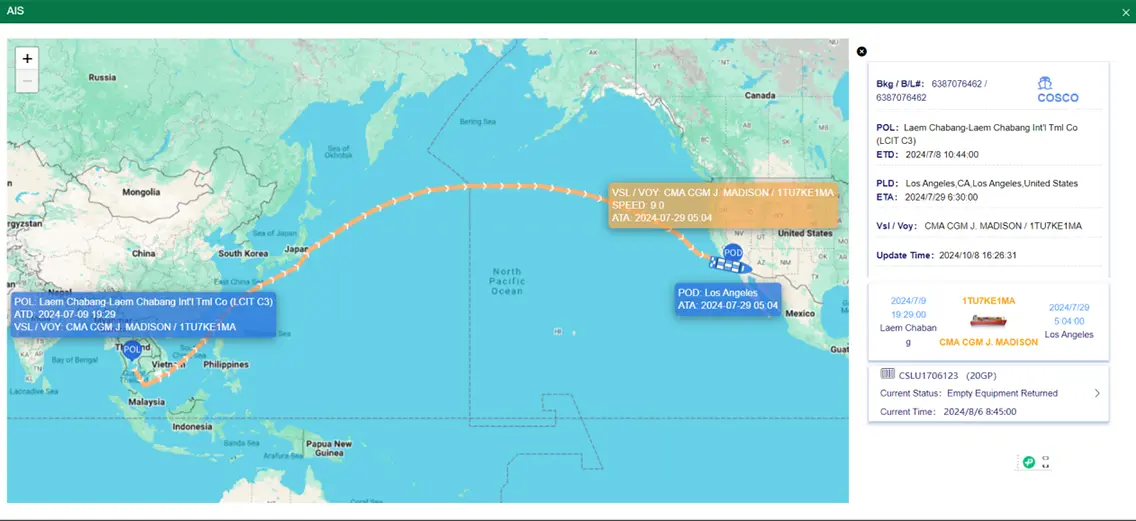
Our platform achieves full chain data coverage from the source to the terminal through the collection and aggregation of data sources, including logistics information from various data sources such as stations, terminals, customs, shipping companies, and airlines. Through the Trackingeyes’ Platform, customers can quickly connect with hundreds of global data sources, greatly improving the efficiency and intelligence of logistics tracking.
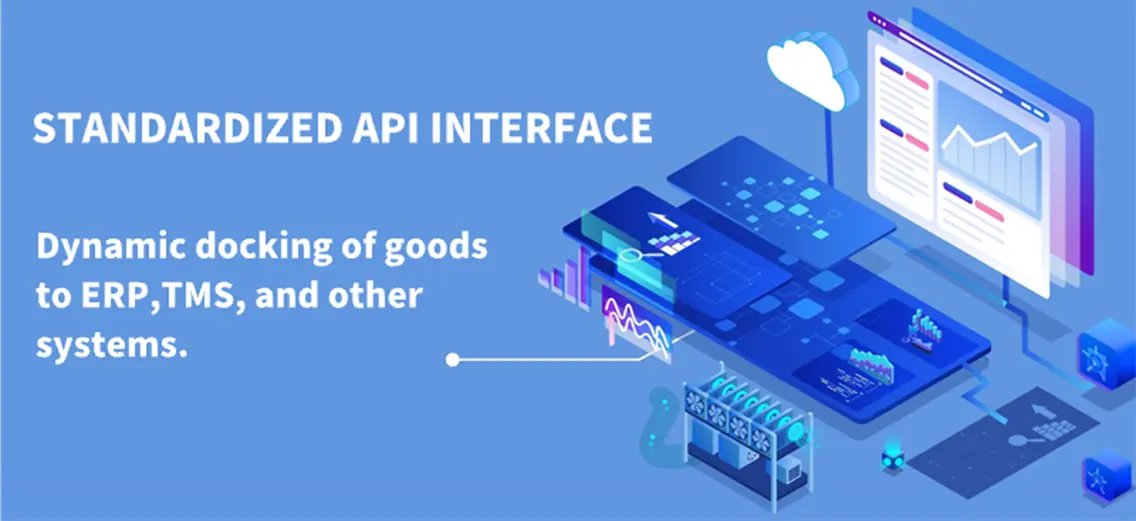
Through API interface integration, the dynamics of goods can be automatically written back to internal systems and customer service systems of the enterprise, assisting global logistics enterprises, supply chain enterprises, cross-border e-commerce enterprises, software platforms and other enterprises to achieve more efficient and refined goods tracking management, and to do risk control and prediction in advance.

Deep technical insights into QR air cargo tracking and supply chain integration.
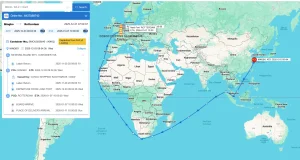
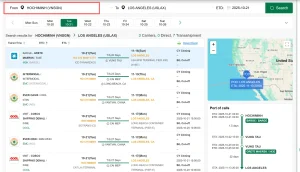
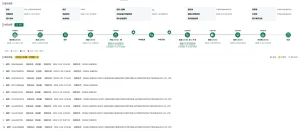
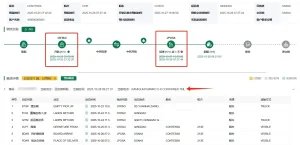
Complete your supply chain visualization suite with our advanced maritime and air freight tracking tools.
 Trackingeyes