Explore our industry-validated solutions for master waybill analytics, maritime AIS integration, and real-time terminal milestones.
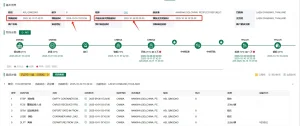
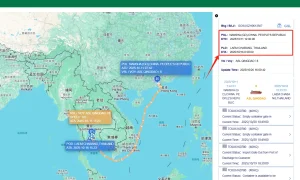
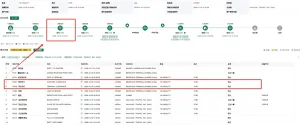
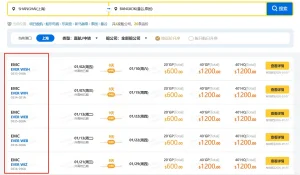
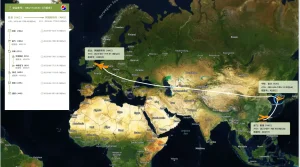
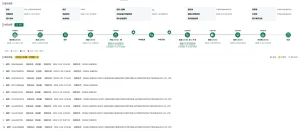
The global logistics landscape is undergoing a monumental paradigm shift. As supply chains grow more fragmented, relying on manual web portal queries for Master Bill of Lading (MBL) or Master Air Waybill (MAWB) tracking is no longer viable. Today's hyper-competitive B2B ecosystem demands autonomous, real-time data ingestion.
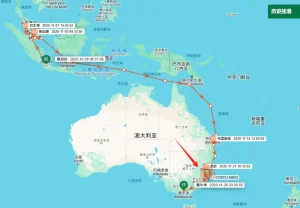
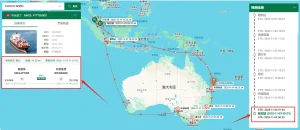
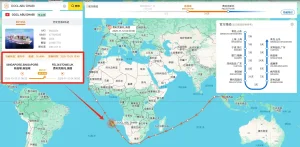
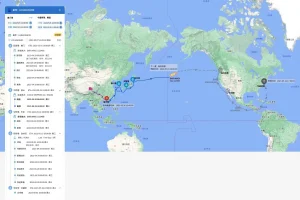
By shifting from legacy EDI systems to modern RESTful APIs, logistics providers and multinational enterprises can track shipments dynamically. Integration of satellite and terrestrial AIS (Automatic Identification System) data eliminates the traditional "black holes" in transit milestones, keeping operations running fluidly.
"Organizations utilizing integrated API tracking report a 35% reduction in administrative overhead and a 20% drop in port demurrage penalties."
Carriers often provide predictive estimates based on static transit timetables. In reality, port congestion, blank sailings, and weather anomalies disrupt these schedules regularly. Master Waybill tracking solutions synthesize actual vessel telemetry, terminal gate events, and customs statuses to compile one single source of truth.
Underpinning international enterprise operations with scalable, robust data feeds and verified accuracy.
Deciphering key features required by B2B buyers looking for enterprise tracking platforms.
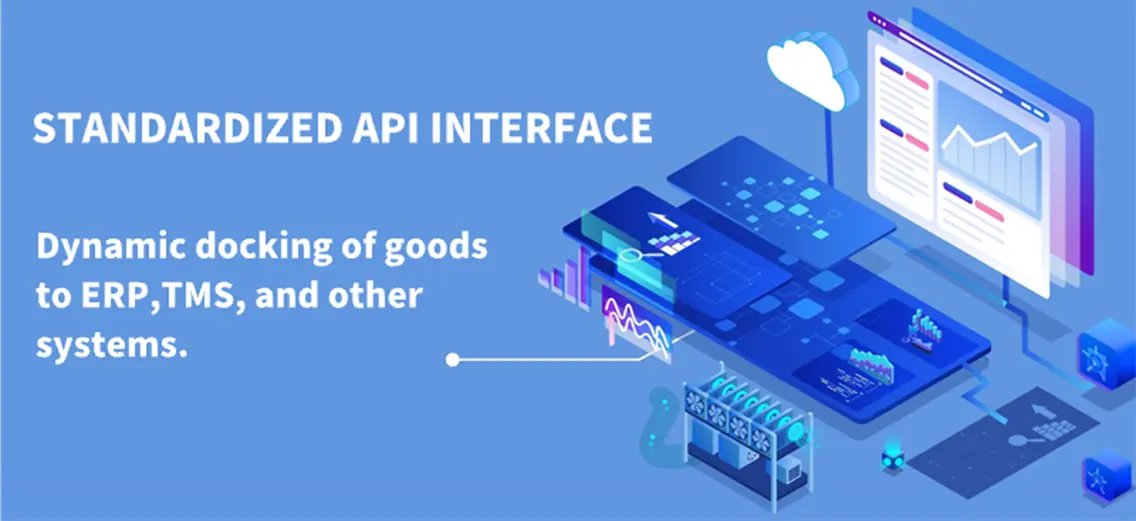
Modern procurement teams prioritize systems that natively inject milestones back into domestic WMS, TMS, and ERP configurations (like SAP or Oracle). This eliminates data silos across departments.
By blending historical transit performance indices with real-time port lineups and AIS routes, platforms must forecast delayed arrivals, helping logistics teams avoid costly storage or demurrage charges.
Integrating import security filing details alongside commercial documentation helps logisticians manage the customs clearance workflow, preparing last-mile haulage services well in advance.

At the center of global trade, Chinese industrial hubs are evolving. Factory 4.0 integrates physical manufacturing with digital intelligence, relying on predictable logistics pathways. Unifying production runs with container schedules minimizes excess safety stock inventory.
Through robust Master Waybill APIs, Chinese factories automate their outbound maritime container dispatch. Connecting booking references with real-time terminal gate activity ensures cargo avoids costly late-manifest fees while maintaining container load optimized levels.
"By linking production scheduling directly with AIS port opening events, factories optimize raw material staging, ensuring maximum plant throughput."
Logistics operators must manage unpredictable disruptions: extreme weather events, labor issues at major port terminals, blank sailings, and ocean shipping route adjustments. These dynamics present significant financial risks to unprepared operators.
Without end-to-end container monitoring, businesses risk incurring significant Demurrage & Detention (D&D) charges. Real-time Master Waybill monitoring mitigates these risks by warning of delays and providing dynamic ETA projections so operations can adjust proactively.
Additionally, keeping customs and destination services connected during the transition to last-mile transport bridges key gaps. Visibility at these handover points prevents storage delays and ensures cargo moves efficiently from dock to final destination.
How distinct regions utilize advanced master waybill tracking to overcome local infrastructure challenges.
Managing the transition of ocean freight to inland rail networks through Chicago or Memphis. Tracking rail-car sensor data alongside the ocean MBL prevents chassis shortage delays and destination ground demurrage fees.
Aligning destination customs release declarations with automated carrier arrival notifications at Rotterdam or Hamburg, enabling direct transport loading without staging cargo at bonded facilities.
Syncing high-frequency air transport flight events with factory assembly planning. Keeping tracking systems updated with active MAWB changes ensures parts arrive exactly when needed for production.
Learn more about our logistics expertise, global data architecture, and visibility platform.
Founded in 2015, Trackingeyes is a leading provider of global end-to-end logistics tracking and supply chain visualization solutions. With a founding team boasting over ten years of logistics expertise, we deeply understand industry pain points. We specialize in global end-to-end cargo tracking by sea and air, serving thousands of import and export enterprises worldwide. Our services include customizable tracking solutions and open API data interfaces to enhance supply chain visibility and operational efficiency.
The platform achieves full chain data coverage from the source to the terminal through the collection and aggregation of data sources, including logistics information from various data sources such as stations, terminal, customs, shipping companies, and airlines. Through the Trackingeyes’ Platform, customers can quickly connect with hundreds of global data sources, greatly improving the efficiency and intelligence of logistics tracking.
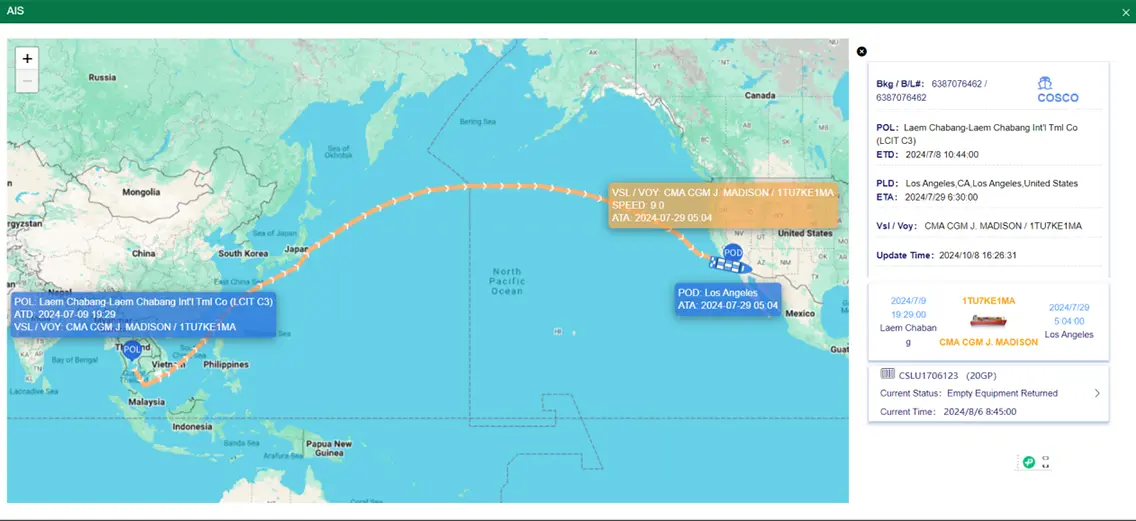
Unlock end-to-end visibility with our trusted tracking platform. We bring proven reliability to both ocean and air cargo tracking, giving you the accurate data and control needed to streamline operations from port to runway.
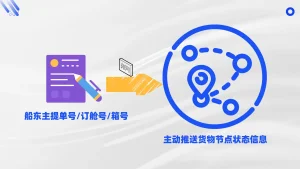
Through API interface integration, the dynamics of goods can be automatically written back to internal systems and customer service systems of the enterprise, assisting global logistics enterprises, supply chain enterprises, cross-border e-commerce enterprises, software platforms and other enterprises to achieve more efficient and refined goods tracking management, and to do risk control and prediction in advance.
Contact Us Today
Technical and practical answers about Master Waybill, MBL, and MAWB tracking operations.
Ensure complete supply chain coverage by integrating sailing schedule APIs, port opening alerts, and rail solutions.
 Trackingeyes