Founded in 2015, Trackingeyes is a pioneer and leading global provider of end-to-end logistics tracking and enterprise supply chain visualization solutions. With a core leadership team holding over a decade of deep maritime, air cargo, and enterprise software expertise, we diagnose, engineering-solve, and mitigate the complex inefficiencies of global transport networks.
In today's highly volatile global logistics ecosystem, simple "track and trace" functions are no longer sufficient. Modern enterprise demands dynamic, predictive logistics tracking. Trackingeyes meets this demand by delivering direct, low-latency API connections to over hundreds of global data streams. This includes real-time telemetry from port authorities, international ocean carriers, customs databases, commercial airlines, and terrestrial terminal operators. Through our consolidated visualization tools, we help multi-national brands transition from passive, reactive tracking to active, predictive orchestration.


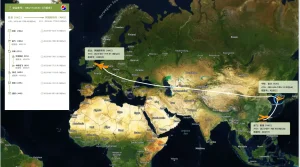
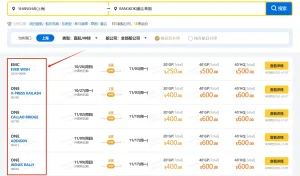
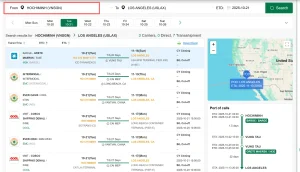
Unlock end-to-end visibility with our trusted tracking platform. We bring proven reliability to both ocean and air cargo tracking, giving you the accurate data and control needed to streamline operations from port to runway. By uniting multi-carrier sailing schedules, flight paths, and AIS telemetry, Trackingeyes functions as the single source of truth for your logistics departments.
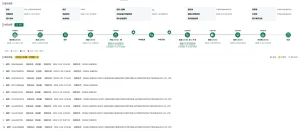
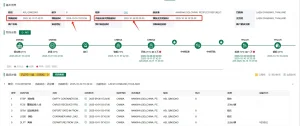
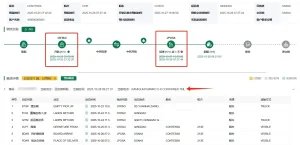
We normalize unstructured data points into readable milestone updates: Gate-in at origin, customs clearance status, vessel departure, transshipment notifications, arrival notices, and port gate-out events. You can manage everything via automated webhooks, avoiding manual portal check-ins.
Transforming tracking from reactive historical data compilation to proactive, automated logistics planning powered by AI.
Our upcoming v4.0 engine processes real-world variables—including maritime weather systems, historical port queues, labor availability indices, and seasonal canal congestion. This generates dynamic arrival predictions that outperform carrier-provided ETAs by up to 34%.
Integrating environmental sensor feeds (temperature, humidity, shock, and light exposure) directly into the API payload. This allows cargo tracking systems to monitor not just the location, but also the physical condition and security of sensitive shipments.
Calculating carbon emission estimates per container-mile based on specific vessel routes and carrier performance, helping logistics managers comply with CSRD standards and carbon reporting mandates.
Enterprise-grade visibility solutions tailored for complex supply chains, designed to prevent costly logistical delays.
Modern supply chains require more than just tracking; they demand visibility across different transportation modes. The Freight Com Tracking framework consolidates land, sea, rail, and air segments into a unified record. This integration eliminates the data gaps that occur when cargo is transferred between ocean liners and inland rail systems.
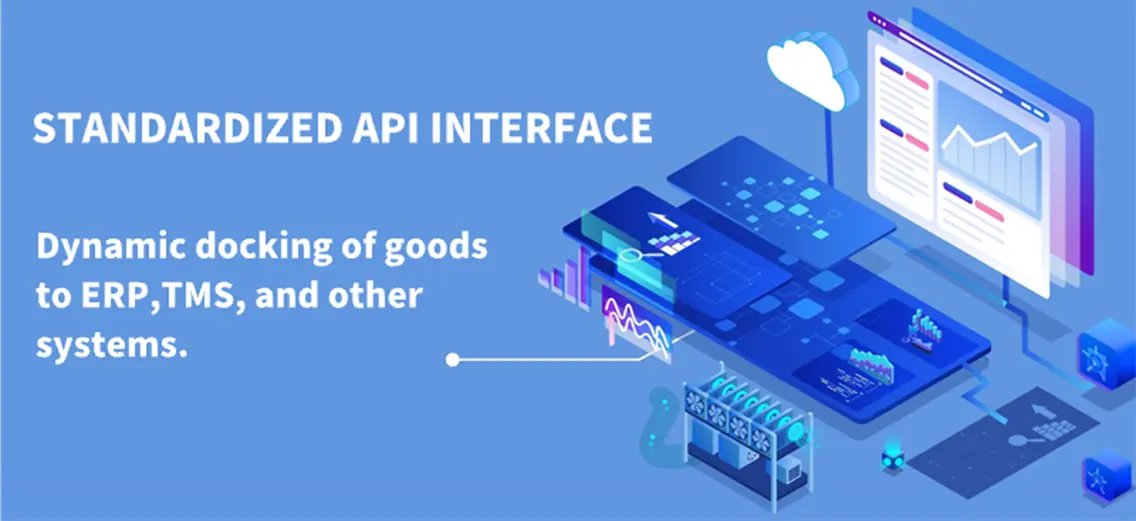
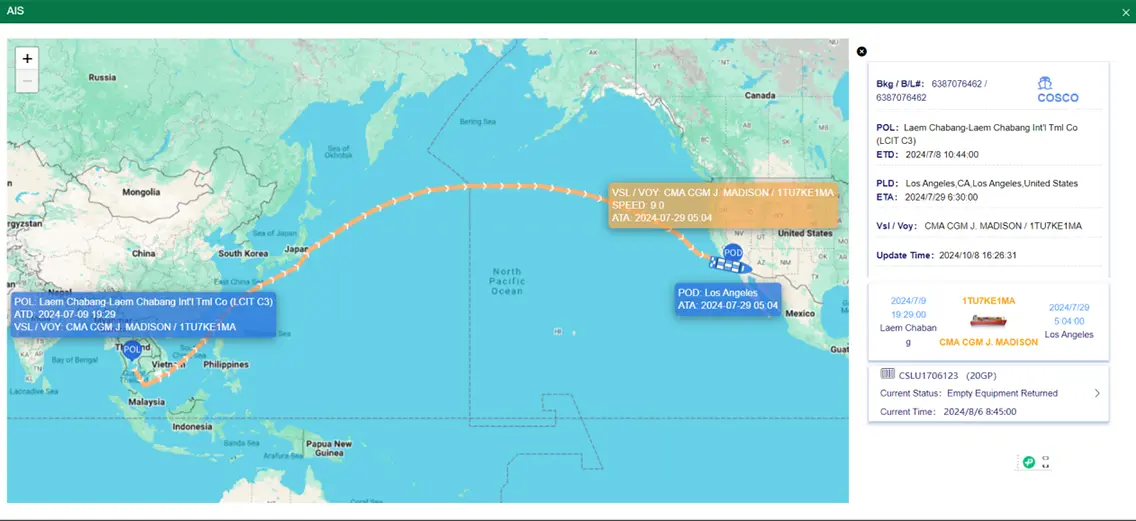
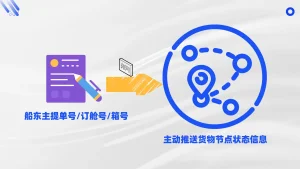
"Through API interface integration, the dynamics of goods can be automatically written back to internal systems and customer service systems of the enterprise, assisting global logistics enterprises, supply chain enterprises, cross-border e-commerce enterprises, software platforms and other enterprises to achieve more efficient and refined goods tracking management, and to do risk control and prediction in advance."
As China continues to transition to smart, digital manufacturing (Factory 4.0), the connection between production lines and outbound shipping has become much tighter. Managing transport from coastal hubs like Ningbo-Zhoushan, Shenzhen, and Shanghai requires real-time logistics data. Automated production systems need precise container gate-in schedules to prevent factory gridlock or port detention fees.
Our solutions directly integrate with ERPs (including SAP, Oracle, and Microsoft Dynamics), enabling manufacturers to automatically link production timelines with ocean and air carrier schedules. This automated synchronization reduces container dwell times at major hubs by up to 28%, minimizing shipping delays.
Large enterprises face several challenges when integrating logistics systems: inconsistent APIs, high latency, poor customer service response, and a lack of standardized data. Trackingeyes addresses these challenges with an enterprise-ready infrastructure designed for scale:
Unifying raw data from ocean carriers, air lines, and customs offices into clean, standardized JSON structures. This reduces the development and engineering overhead required for enterprise database management.
Backed by strict SLAs ensuring 99.9% API uptime, continuous data refreshes, and dedicated support channels to resolve technical integration queries within hours.
Data transmission protected with industry-standard TLS encryption, read-only authentication keys, and SOC 2/GDPR compliance frameworks to safeguard sensitive commercial shipping information.
International shipping involves navigating a complex web of regional regulations, customs procedures, and regional logistics hubs. Our tracking system is pre-configured to align with key global customs programs, including US Import Security Filing (ISF 10+2), EU Import Control System (ICS2), and regional terminal operating rules.
By providing verified arrival notices and automated customs status checks at destination ports, we help shippers resolve customs holds early. This prevents expensive destination penalties and container demurrage fees.
Get answers to common technical and operational questions about our logistics tracking and API solutions.
We use a hybrid data network that combines direct EDI/API connections with major ocean carriers and airlines, vessel AIS telemetry, port terminal operating systems, and customs databases. This variety of sources helps ensure accurate, validated milestone updates.
Yes. Our API is built on RESTful principles and outputs clean JSON, allowing for quick integration into systems like SAP, Oracle, Microsoft Dynamics, or custom logistics dashboards. We provide comprehensive API documentation and developer support.
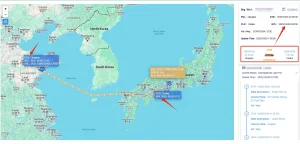
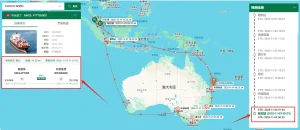
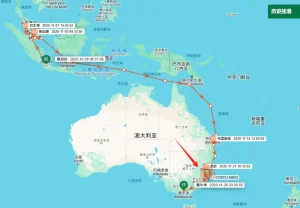
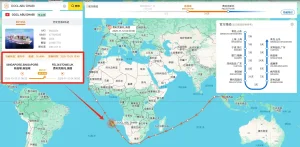
Air freight and ocean vessel tracking data is refreshed regularly. For ocean shipments, we ingest real-time terrestrial and satellite AIS data, updating position reports as frequently as every 15 minutes when a vessel is in active transit.
Automated ETA updates allow logistics teams to schedule warehouse staff, coordinate inland drayage, and plan onward transportation in advance. Knowing when a container will arrive helps shippers minimize demurrage fees at ports and keep warehouses running efficiently.
Yes, our tracking integrates destination customs clearance status and port gate-out milestones. We also offer tracking integrations for major rail networks, including North American and European intermodal corridors, to monitor cargo until it reaches its final inland destination.
 Trackingeyes