Deploy high-fidelity APIs, automated loading trackers, and real-time transit schedule tools to keep your cargo on course.

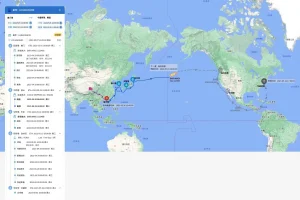
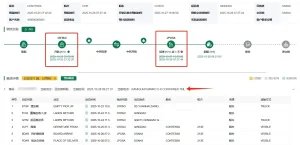
The landscape of global air freight has shifted drastically from manually keying in paper air waybills (AWBs) to dynamic, software-driven ecosystem hubs. An Air Waybill functions as the absolute contract of carriage between the shipper and the carrier, detailing precise cargo contents, flights, and routing nodes. As air logistics operational cost margins grow thin, real-time AWB monitoring is no longer optional—it is a critical pillar of strategic enterprise survival.
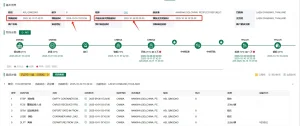
Historically, a logistics tracking manager had to manually consult individual airline portals to determine flight status, which often resulted in latency, data silos, and administrative fatigue. Today, automated AWB tracking API nodes consolidate tracking codes, manifest inputs, customs status, and final destination warehouse availability into a unified data stream. By pulling structured status messages (FSA, FSU, LAT, etc.) straight from international airline ground handling systems, supply chain intelligence portals offer up-to-the-minute updates on high-value and time-sensitive cargo shipments.
Founded in 2015, Trackingeyes is a leading provider of global end-to-end logistics tracking and supply chain visualization solutions. With a founding team boasting over ten years of logistics expertise, we deeply understand industry pain points. We specialize in global end-to-end cargo tracking by sea and air, serving thousands of import and export enterprises worldwide. Our services include customizable tracking solutions and open API data interfaces to enhance supply chain visibility and operational efficiency.



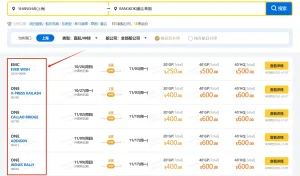
Procurement teams need accurate, upfront freight pricing structures and predictable delivery schedules. The market faces volatile fuel costs and sudden geopolitical route changes. Successful supply chains mitigate this by matching schedules and rates using predictive systems that adjust to cargo capacities and airline tariffs automatically.
Shippers want status tracking that links air cargo, sea legs, and inland rail or trucking. Modern tracking systems must aggregate various data types into clean, normalized JSON/XML formats, allowing logistics leaders to check schedules, transit speeds, and import filings from one central screen.
To succeed globally, businesses need access to real-time quotes, reliable transit times, and immediate status reports. The table below highlights key parameters that global procurement officers evaluate when integrating logistics technologies:
| Logistics Feature | Data Source | Procurement Metric Addressed | Typical Value Generation |
|---|---|---|---|
| e-AWB Auto-Tracking | Airlines & GHA Systems | Warehouse intake planning & local customs prep | Cuts ground delays by 35% |
| Ocean Vessel AIS Tracking | Satellite and Terrestrial AIS | Accurate demurrage cost mitigation | Avoids port storage fees |
| Smart Sailing Schedule API | Shipping lines & port records | Direct rate-to-schedule route optimization | Saves 12% in transit costs |
| Local Gate Alerts | Terminal operating systems (TOS) | Detention and pickup tracking | Reduces terminal pickup issues |
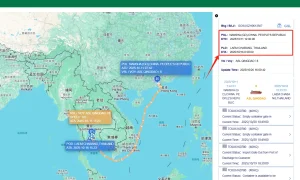
The platform achieves full chain data coverage from the source to the terminal through the collection and aggregation of data sources, including logistics information from various data sources such as stations, terminal, customs, shipping companies, and airlines.
Through the Trackingeyes’ Platform, customers can quickly connect with hundreds of global data sources, greatly improving the efficiency and intelligence of logistics tracking.
Unlock end-to-end visibility with our trusted tracking platform. We bring proven reliability to both ocean and air cargo tracking, giving you the accurate data and control needed to streamline operations from port to runway.
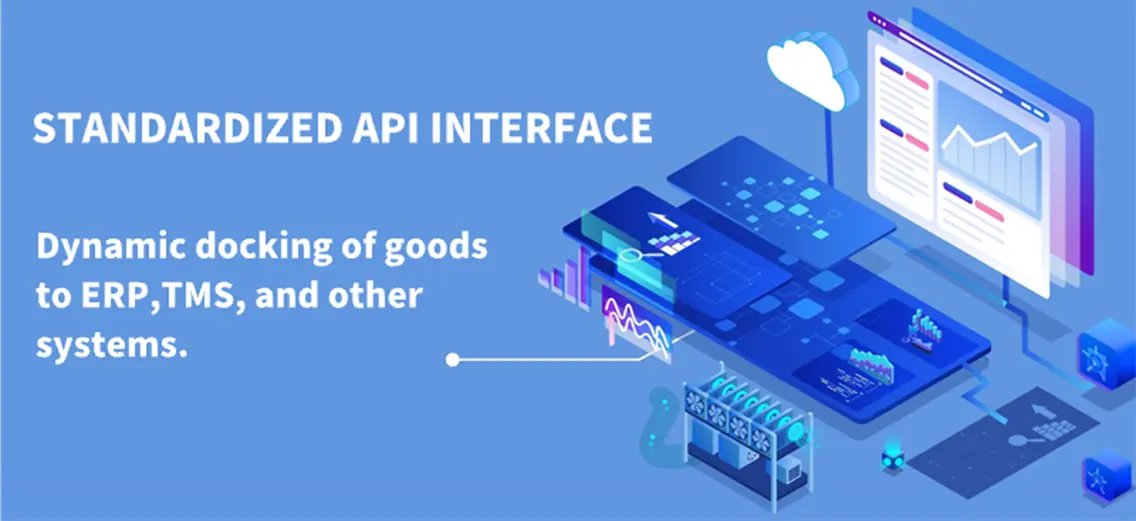
"Through API interface integration, the dynamics of goods can be automatically written back to internal systems and customer service systems of the enterprise, assisting global logistics enterprises, supply chain enterprises, cross-border e-commerce enterprises, software platforms and other enterprises to achieve more efficient and refined goods tracking management, and to do risk control and prediction in advance."
Logistics complexity rises when freight moves between different modes of transport. Tracking a container that arrives at a port, loads onto a rail car, and then shifts to air cargo for final delivery requires an integrated approach to avoid data gaps.
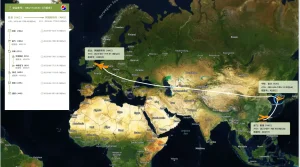
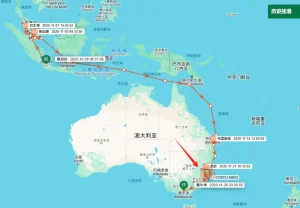
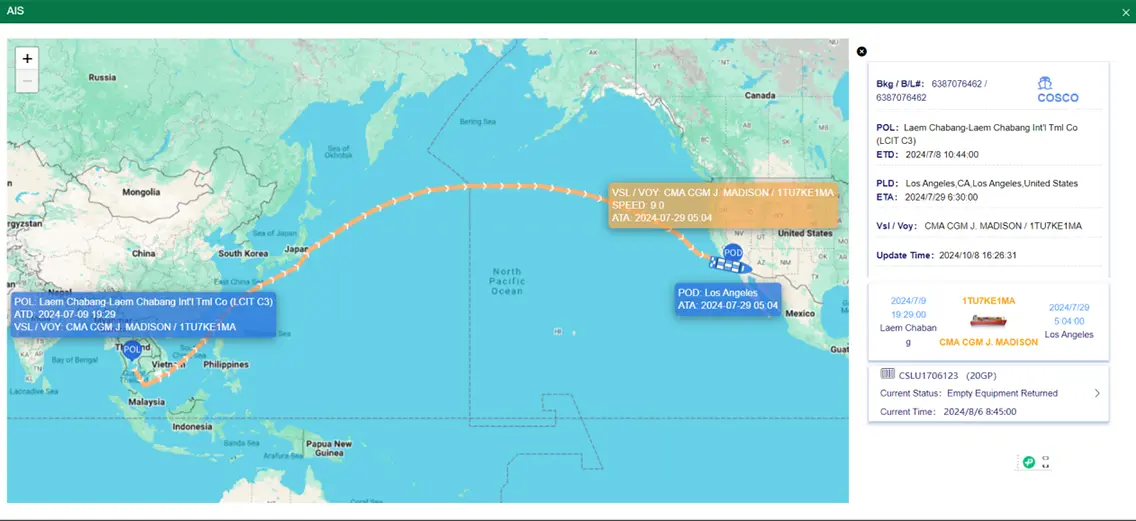
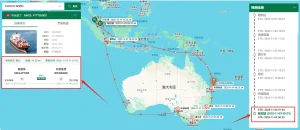
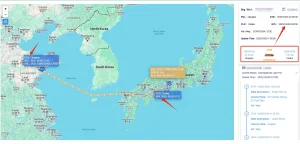
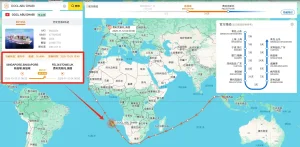
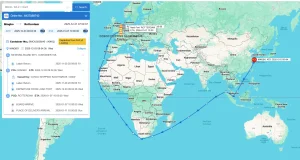
By connecting ocean vessel AIS tracking, inland rail updates, and air freight cargo milestones (AWB), the system tracks shipments across ocean crossings, rail routes, and flight paths. This makes it easier to estimate final arrival times.
Connecting direct data feeds helps shippers catch delay signals early. If a vessel delay risks missing an air connection, logistics teams can update destination services, arrange alternative transport, or reschedule customs clearance to prevent delays.
Accessing detailed manifest and flight data helps clear customs faster. Tracking systems check for flight departures and arrivals, helping ground agents submit import filings ahead of time to minimize delays at airport terminals.
How Trackingeyes integrates AI-driven analytics, machine learning, and dynamic APIs to transform cargo tracking systems.
Using history logs, airport congestion trends, and weather patterns to calculate arrival times, giving dispatch teams more accurate delivery estimates.
A single connection point for AWB cargo status, ocean vessel locations, and container schedules, matching shipping needs directly to active logistics networks.
Monitoring cargo movements continuously to spot routing issues early. Shippers get automated alerts to resolve import errors before penalty fees apply.
Moving cargo across borders requires meeting complex regional regulations, such as North American customs rules, European import requirements, and Asian port procedures. Our platform helps shippers verify documentation updates, check status markers, and manage cargo handling details at destination hubs.
Our solutions connect data from cargo stations, ocean carriers, and major customs offices worldwide. This gives import-export operations, logistics teams, and supply chain developers the tools they need to track cargo movements, verify paperwork, and keep international freight moving smoothly.
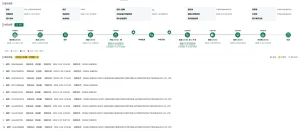
e-AWB (Electronic Air Waybill) tracking replaces physical paperwork with digital logs. It links your shipment details directly to international airline platforms, sending automated updates as your cargo moves through warehouses, customs checks, and flight stages.
A Sailing Schedule API tracks departure and arrival dates across different shipping lines. Access to this data helps shippers compare routes, choose cost-effective windows, and coordinate transit connections to keep operations moving efficiently.
Automated tracking alerts logistics teams when cargo arrives or passes customs checkpoints. This helps shippers coordinate trucking pickups and complete import filings, preventing extra storage charges or missed delivery windows.
Yes, our developer-friendly APIs are built to plug directly into enterprise ERP and supply chain software. You can feed real-time shipment updates, container locations, and delivery times straight into your internal dashboards.
Implement reliable maritime AIS engines, smart ERP logistics connections, and real-time status trackers built for your business.
 Trackingeyes