Explore our top-tier API modules, predictive scheduling systems, and integrated customs interfaces tailored for modern freight operations.
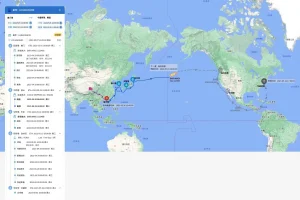
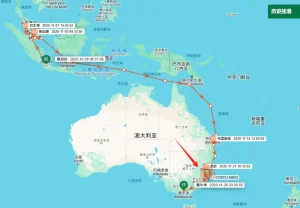
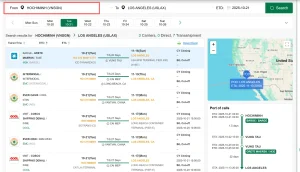
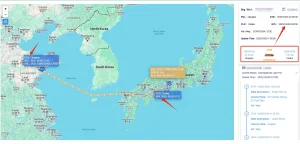
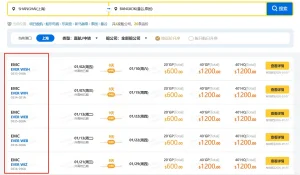
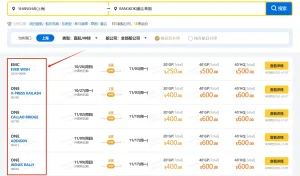
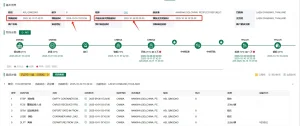
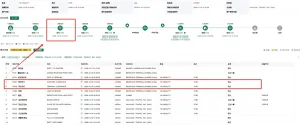
In modern global logistics, real-time container and airway bill visibility is no longer a luxury—it is the operational baseline. The global supply chain has shifted from reactive firefighting to proactive, predictive modeling. To address these shifts, industry leaders utilize the 5C Cargo Tracking Framework. This methodology assesses digital solutions across five core pillars: Connectivity, Compliance, Control, Cost-Efficiency, and Carbon Tracking. By evaluating solutions through this comprehensive lens, multinational corporations can build resilient operations capable of neutralizing supply disruptions before they impact downstream customers.
Unified data ingestion combining AIS vessel locations, air carrier updates, customs filings, and regional rail status into a single pipeline.
Automated alerts for demurrage & detention thresholds, dynamic loading time calculations, and port congestion forecasting algorithms.
Cross-border validation aligning customs milestones with terminal drop-offs, ensuring rapid local clearing without manual checks.
For high-volume shippers, container movement is obscured by carrier-specific silos, outdated EDI protocols, and disjointed maritime records. A single intermodal voyage can generate dozens of localized updates, often delayed by 12 to 24 hours. The integration of Vessel AIS Data alongside automated air freight status reports eliminates these blind spots. By standardizing tracking APIs, logistics departments bypass legacy carrier web portals, syncing actual arrival, discharge, and departure dates directly into central ERP platforms. This visibility empowers procurement managers to re-route inventories dynamically, minimizing stockouts and maintaining manufacturing schedules even during severe seasonal bottlenecks.
Enterprise procurement teams must understand that pricing models for cargo tracking systems vary significantly based on data depth, query frequencies, and system architecture. Choosing the right integration method ensures you are not paying for unused API overhead. Below, we break down standard pricing tiers for modern cargo tracking deployments, helping your procurement team align technical demands with budget allocations.
| Tier Level | Target Operations | Key Capabilities | Price Range (Monthly) |
|---|---|---|---|
| Starter API | Small & Medium Importers (< 200 containers/mo) | Standard Ocean/Air Milestone Tracking, Email Notifications | $299 - $599 |
| Professional Growth | Mid-Market Freight Forwarders (200 - 1,000 containers/mo) | Real-time AIS Tracking, ERP Integration, Basic predictive ETA | $799 - $1,499 |
| Enterprise Core | Multinational Manufactures (> 1,000 shipments/mo) | Direct RESTful API, Custom ERP plugins, Advanced Demurrage Alerts | $2,499+ (Custom Quote) |
| Global Partner | Top-tier 3PLs & Industrial ERP Platforms | High-frequency AIS streaming, unlimited webhook alerts, 24/7 dedicated SLA | Enterprise Agreements |
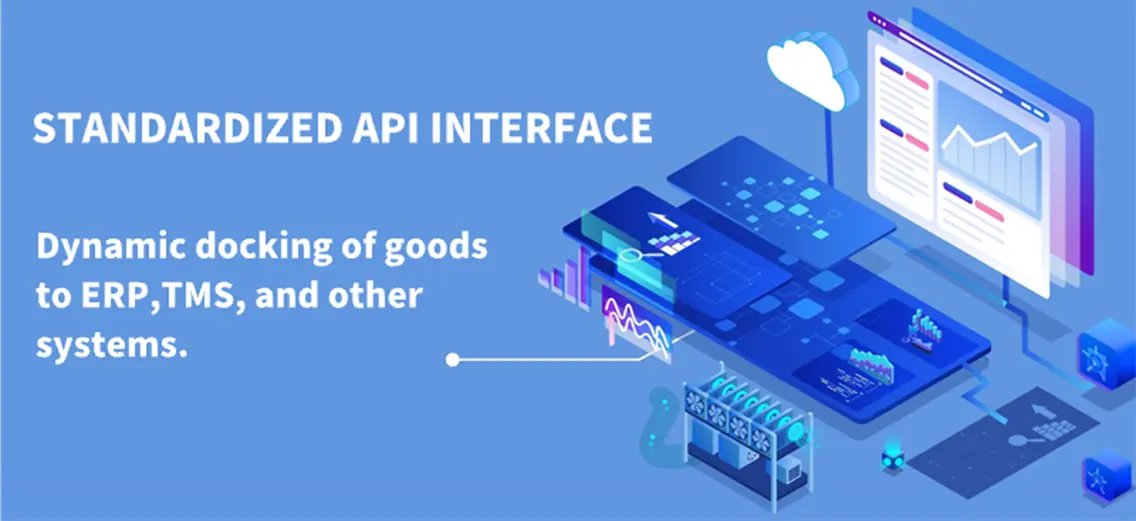
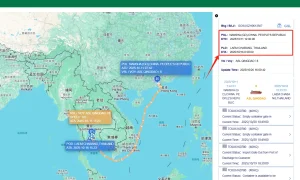
The standard deployment method relies on RESTful web services that deliver structured JSON payloads. These payloads map directly to tables within ERP networks like SAP, Oracle, and Microsoft Dynamics. By embedding tracking codes directly into purchasing modules, organizations automate their receipt verification processes. For example, when a vessel passes a specified geofenced corridor, the system updates the estimated arrival date of raw materials within the manufacturing queue. This automation prevents expensive line-stoppages and eliminates the manual administrative tasks traditionally required to check carrier sites for container status updates.
Furthermore, developers can configure automated webhooks to trigger downstream actions. A "Port Opening Alert" notifies port transport agents to secure haulage slots, avoiding costly congestion surcharges. Similarly, "Cargo Pick-Up Failure" notifications immediately alert customer service managers, allowing them to proactively resolve custom-clearance delays or container retention issues directly with port operators.
The transition from legacy tracking systems to modern AI-driven solutions is reshaping how logistics professionals manage their operations. The timeline below highlights key technological shifts, showing where the industry is heading as it moves toward fully autonomous supply chains.
Shippers relied heavily on physical phone calls, faxes, and manual website checks. This approach offered limited transparency, leaving logistics teams blind to delays until long after containers missed their scheduled connections.
Standardized EDI transmissions introduced automated milestone updates (e.g., container gate-in, vessel departure). However, these systems remained reactive and lacked real-time visibility between major ports.
Solutions now combine terrestrial and satellite AIS data with historic weather and port congestion patterns. Algorithms continuously calculate dynamic ETAs, predicting transit delays days before they happen.
AI agents will do more than detect delays—they will resolve them. Future systems will automatically reschedule inland transport, re-allocate inventory from alternative locations, and handle customs filings without human intervention.
Operating across international boundaries requires strict adherence to changing maritime and digital regulations. Modern tracking systems must secure sensitive commercial shipping data while maintaining compliance with frameworks like the US Federal Maritime Commission (FMC) standards, the EU's Import Control System 2 (ICS2), and ISO/IEC 27001 data security guidelines. Keeping visibility data encrypted, accurate, and audit-ready ensures that both logistics providers and cargo owners avoid costly regulatory penalties and reduce the risk of border-clearance delays.
Founded in 2015, Trackingeyes is a leading provider of global end-to-end logistics tracking and supply chain visualization solutions. With a founding team boasting over ten years of logistics expertise, we deeply understand industry pain points. We specialize in global end-to-end cargo tracking by sea and air, serving thousands of import and export enterprises worldwide.
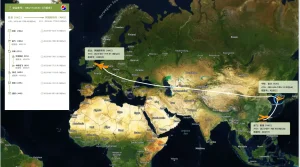
The platform achieves full chain data coverage from the source to the terminal through the collection and aggregation of data sources, including logistics information from various data sources such as stations, terminal, customs, shipping companies, and airlines.
Through the Trackingeyes’ Platform, customers can quickly connect with hundreds of global data sources, greatly improving the efficiency and intelligence of logistics tracking. Our services include customizable tracking solutions and open API data interfaces to enhance supply chain visibility and operational efficiency.



Get answers to common technical and operational questions regarding real-time container tracking, API costs, and data accuracy.
Optimize your shipping operations with our full suite of automated tracking, scheduling, and customs solutions.

 Trackingeyes