Explore our primary array of production-ready logistics, marine vessel, and air freight tracking APIs built for seamless ERP integration.
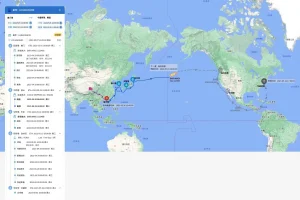
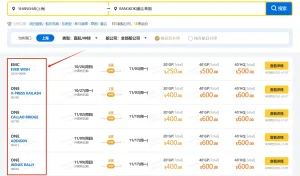
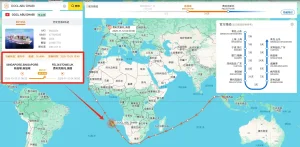
In the high-stakes sector of global logistics, raw data latency translates directly into financial penalties, lost clients, and supply chain gridlock. As a pioneer in the spatial telematics industry, Trackingeyes provides an authoritative solution to this information asymmetry. Since 2015, we have committed ourselves to bridging the data visibility gap between ocean, air, and land freight nodes. By consolidating scattered logistics metadata from shipping lines, customhouses, local terminals, and flight networks, we deliver standardized, production-ready REST API structures to modernize your logistics ERP.
Our solutions cater directly to contemporary supply chain environments, allowing automated write-backs into internal systems. Whether managing demurrage risks at major marine terminals, tracking container status updates in real-time, or checking global schedules, Trackingeyes APIs serve as the neural architecture of modern logistics networks.
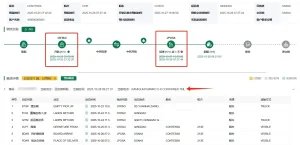
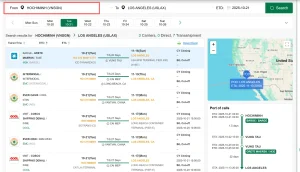
 Ocean Terminal Automation Hub
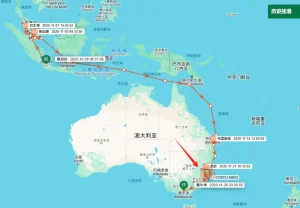
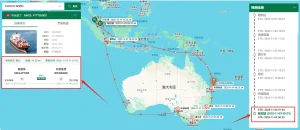
 Global Maritime Vessel Fleet Coordinates
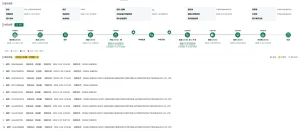
 Multi-modal Aviation Transit Monitoring
Wholesale logistics data represents the aggregated feeds of spatial, temporal, and customs-related events generated during a shipment’s lifecycle. Traditionally, organizations manually accessed individual carrier web portals, parsed flat EDI files, or placed phone calls to port operators. This archaic system introduced huge room for error and data latency.
By shifting to an open API paradigm, organizations can programmatically request data sets, which are then delivered via structured payloads (such as JSON or XML). These data products include real-time Automatic Identification System (AIS) vessel positions, milestone updates (e.g., container gate-in, vessel departure, customs release), and actual time of arrival (ATA) signals. This level of continuous monitoring enables real-time decision-making, allowing businesses to re-route inventories dynamically, notify distributors of changes, and keep overhead costs low.
"For modern enterprises, tracking is no longer just about knowing where a container is; it's about predicting where it will be next, optimizing port fees, and ensuring data flows continuously without human intervention."
China is home to some of the world's largest logistics operations and deep-water ports (such as Shanghai, Ningbo-Zhoushan, and Shenzhen). This concentration of trade infrastructure gives Chinese data manufacturers a unique edge. The geographic proximity to massive freight hubs allows local tech firms to capture primary telemetry and terminal events directly at their source.
Chinese tech teams excel at building highly scalable architectures. These systems ingest billions of raw data points, parse them using machine learning algorithms, and export optimized API payloads to international clients. This high-capacity processing, combined with competitive operating costs, enables Chinese manufacturers to deliver high-availability APIs at wholesale rates. As a result, businesses around the world can scale up their queries without incurring massive software license costs.
Direct local telemetry ingestion points from the busiest ports and airports in East Asia guarantee minimal lag for core transpacific and trans-eurasian routing lanes.
Utilizing high-performance server clusters designed to manage millions of concurrent webhook triggers, ensuring sub-second response times for global queries.
By standardizing large data streams, we lower the cost per query, enabling small and medium enterprises to access enterprise-level global visibility tools.
The global logistics sector is moving quickly toward predictive operations. Simply knowing where a shipment currently is no longer suffices. Today's supply chains require predictive ETA modeling to anticipate issues before they disrupt operations. By tracking variables such as historical transit times, seasonal port congestion, marine weather patterns, and real-time AIS locations, machine learning systems can accurately forecast arrivals down to the hour.
In practice, these tools are highly localized. For example, in North America, importing companies use our rail-node tracking systems to coordinate drayage trucking schedules. In the European Union, shippers rely on port-opening alerts to plan just-in-time warehouse deliveries, reducing local trailer storage fees. In cross-border e-commerce, these APIs help automatically update customer tracking dashboards, keeping shoppers informed and reducing support inquiries.
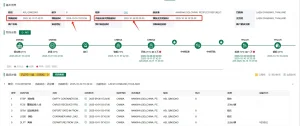
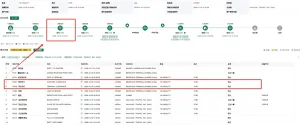
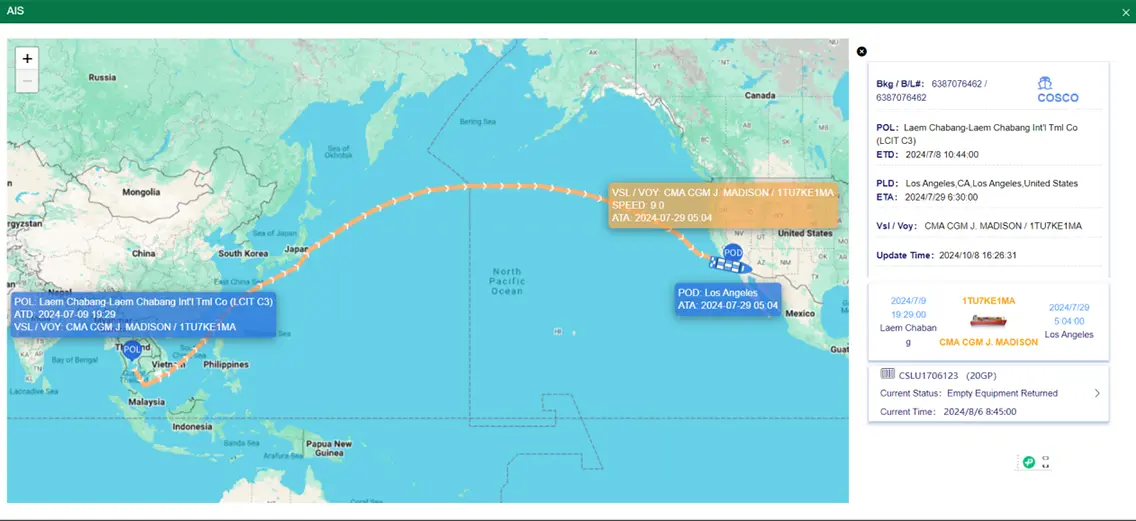 Enterprise Logistics Control Platform
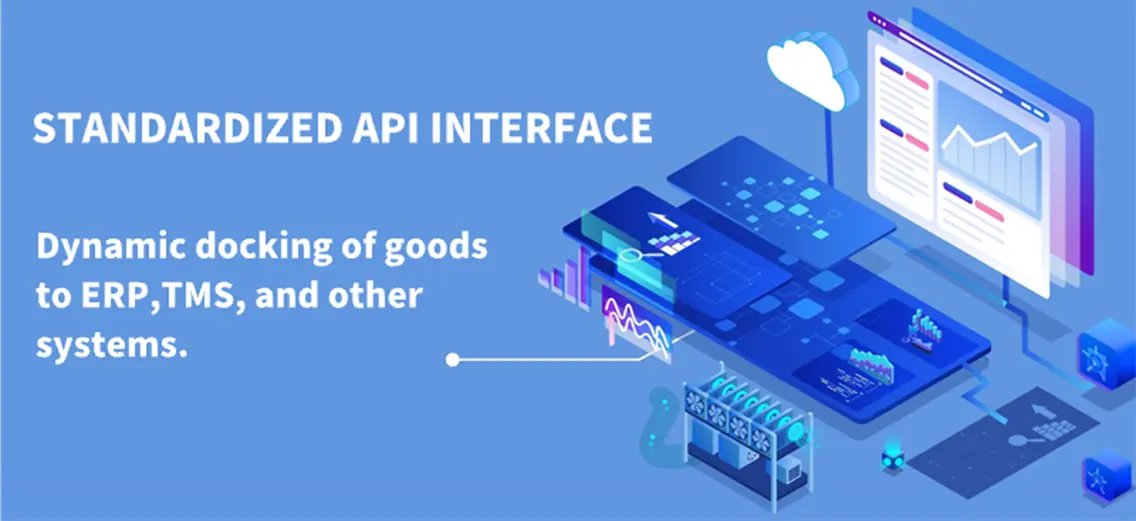 Multi-source Data Integration Infrastructure
Raw logistics data is notoriously messy. For instance, different carriers often record identical events under different names. Additionally, AIS signals can drop out due to local interference, and customhouse releases are frequently updated retroactively. To address this, Trackingeyes cleans and normalizes all incoming data before delivering it to you.
We process every incoming event through a custom mapping engine. This system converts disparate terminal status codes into a standardized set of milestones, such as "Gate Out," "Vessel Departure," and "Import Customs Cleared." When AIS gaps occur, our system interpolates the vessel’s path using maritime route modeling. This ensures your internal software receives clean, consistent, and reliable information.
Technical and procurement answers regarding Trackingeyes Logistics Data APIs.
Our system standardizes all events. We map different carrier terms to a single unified status, ensuring your system receives clean, consistent data regardless of the shipping provider.
Yes. Our APIs use standard REST architecture and deliver payloads in JSON. This makes them compatible with major enterprise resource planning (ERP) systems and transport management systems (TMS).
For active shipping lanes, AIS positions refresh in near-real-time. In deep ocean transits, updates occur at set intervals of 1 to 4 hours via satellite networks.
Our AI algorithms calculate ETAs by combining real-time ship locations with historical travel times, port congestion data, and forecasted weather patterns along the route.
Yes. We provide complete developer documentation, code samples, and a technical support team to assist with testing and integration.
Connect with a Trackingeyes technical representative to access sandbox API keys and trial our tracking feeds.
Contact Technical SpecialistDiscover our comprehensive collection of air, sea, and land visibility components designed for global supply chains.
 Trackingeyes