Explore our key components, APIs, and real-time tracking services designed for manufacturers, exporters, and logistics developers.
In contemporary international trade, maritime transport acts as the lifeblood of global economies, steering over 80% of cross-border goods by volume. At the epicenter of this maritime ecosystem lies the Automatic Identification System (AIS). What began as a collision-avoidance technology mandated by the International Maritime Organization (IMO) has dramatically transformed. Today, wholesale AIS position datasets and specialized manufacturing transponders represent the vital raw materials powering next-generation logistics tracking, algorithmic ETAs, and industrial enterprise resource management systems.
However, the raw AIS signal is merely coordinates in space and time. To translate this signal into high-fidelity business intelligence requires sophisticated algorithmic cleaning, sensor fusion, and intermodal correlation. This is where Trackingeyes positions itself as an industry pioneer. Operating at the intersection of hardware telemetry, cloud computing, and neural ship predictions, we empower enterprises to transition from reactive troubleshooting to proactive supply chain design.
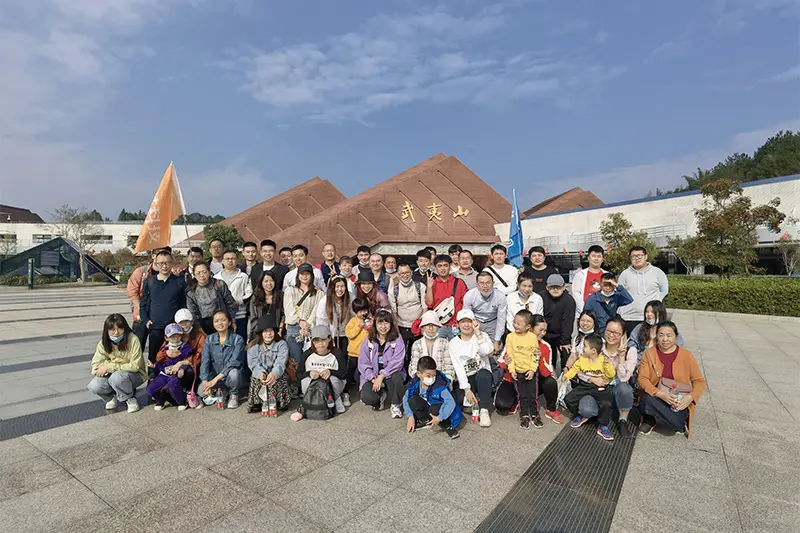
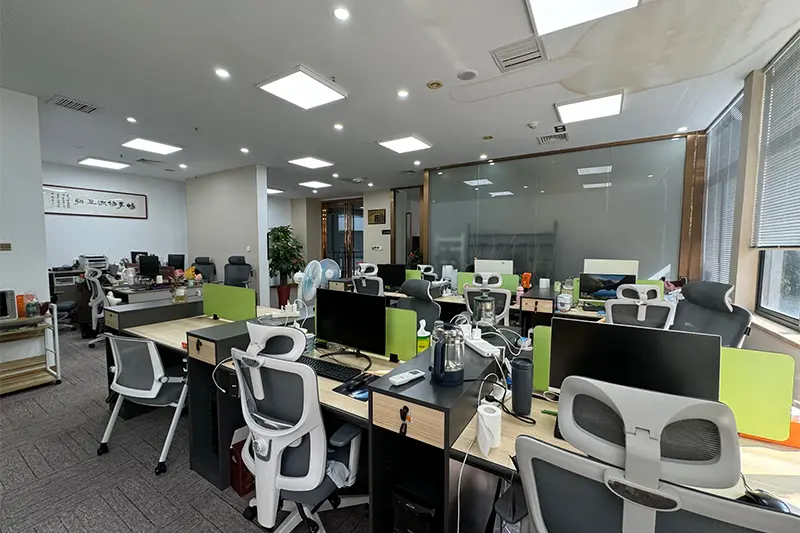
Founded in 2015, Trackingeyes is a leading provider of global end-to-end logistics tracking and supply chain visualization solutions. With a founding team boasting over ten years of logistics expertise, we deeply understand industry pain points. We specialize in global end-to-end cargo tracking by sea and air, serving thousands of import and export enterprises worldwide. Our services include customizable tracking solutions and open API data interfaces to enhance supply chain visibility and operational efficiency.
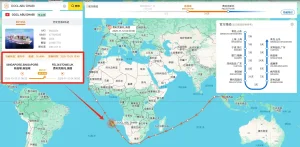
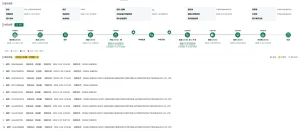
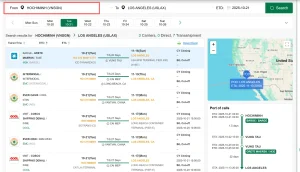
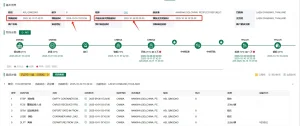
The platform achieves full chain data coverage from the source to the terminal through the collection and aggregation of data sources, including logistics information from various data sources such as stations, terminal, customs, shipping companies, and airlines. Through the Trackingeyes Platform, customers can quickly connect with hundreds of global data sources, greatly improving the efficiency and intelligence of logistics tracking.
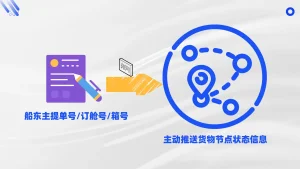
Through API interface integration, the dynamics of goods can be automatically written back to internal systems and customer service systems of the enterprise, assisting global logistics enterprises, supply chain enterprises, cross-border e-commerce enterprises, software platforms and other enterprises to achieve more efficient and refined goods tracking management, and to do risk control and prediction in advance.
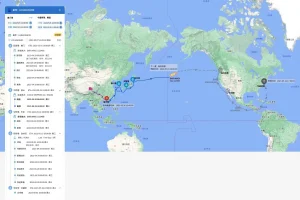
The global AIS position infrastructure is divided into two primary acquisition vectors: Terrestrial AIS networks (shore-based receivers tracking vessels near coasts, typically within 15–20 nautical miles) and Satellite AIS constellations (low Earth orbit satellites capturing transceiver broadcasts across oceans). Together, they process billions of messages daily.
Wholesale AIS data has evolved from a tool reserved for port safety officers into an essential commodity for the global financial, insurance, and manufacturing sectors. Industrial ERP operators ingest bulk AIS feeds to track dry bulk fleets, container vessels, and oil tankers, calculating supply shocks before they manifest in market spot rates. The accuracy and low latency of AIS telemetry are critical. For instance, in congested corridors like the Malacca Strait or the English Channel, terrestrial signals can suffer from signal collisions, highlighting the necessity of combining multiple telemetry platforms.
For manufacturers seeking reliable, high-grade ocean tracking, raw positions are insufficient. The dynamic data fields of AIS—such as Rate of Turn (ROT), Speed Over Ground (SOG), and Course Over Ground (COG)—must be mapped against historical voyage schedules, meteorological reports, and port operational updates. This layered approach forms the backbone of reliable logistics analytics.
Semantic search patterns indicate that procurement managers, ocean freight planners, and software architects are shifting their search criteria. Traditional queries like "where is my container" are evolving into highly intent-focused phrases:
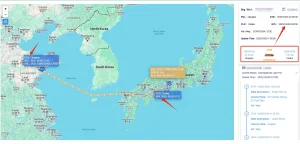
Users require API endpoints that combine AIS data with neural network models to output accurate Estimated Times of Arrival, factoring in seasonal harbor congestion and sailing speed profiles.
Industrial search queries focus heavily on preventing financial penalties, looking for "Port Opening Alerts" and "Last-Mile Destination Port Pick-Up Failure Key Insights."
Decarbonization mandates require emissions transparency. Estimating fuel consumption based on AIS speed profiles helps logistics platforms report Scope 3 carbon footprints accurately.
This evolution in user intent requires a complete transformation of maritime tracking. Standard data delivery models must shift toward intelligence-driven architectures. By leveraging predictive algorithms, businesses can turn raw coordinate tracking into a tool for strategic decision-making and operational planning.
To understand the real-world value of integrated tracking, we examine key application scenarios where Trackingeyes solutions address systemic supply chain disruptions:
Once containers are discharged at major West Coast ports (e.g., LA/Long Beach), they transition to rail networks. Trackingeyes' integrated rail visibility ensures manufacturers know when their cargo shifts from sea to land carriage, mitigating demurrage at inland rail hubs.
Unforeseen custom holds, chassis shortages, or missed free-time limits generate significant costs. Our predictive system flags non-movement anomalies at destination terminals, notifying importers to coordinate recovery efforts before penalties compound.
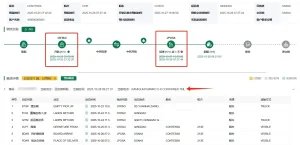
By integrating customs clearance data with local port movements, we bridge the gap between ocean carrier discharge and final truck dispatch. This provides a unified view of customs status, port releases, and gate-out actions.
Unlock end-to-end visibility with our trusted tracking platform. We bring proven reliability to both ocean and air cargo tracking, giving you the accurate data and control needed to streamline operations from port to runway.
Contact Us & Get Integrated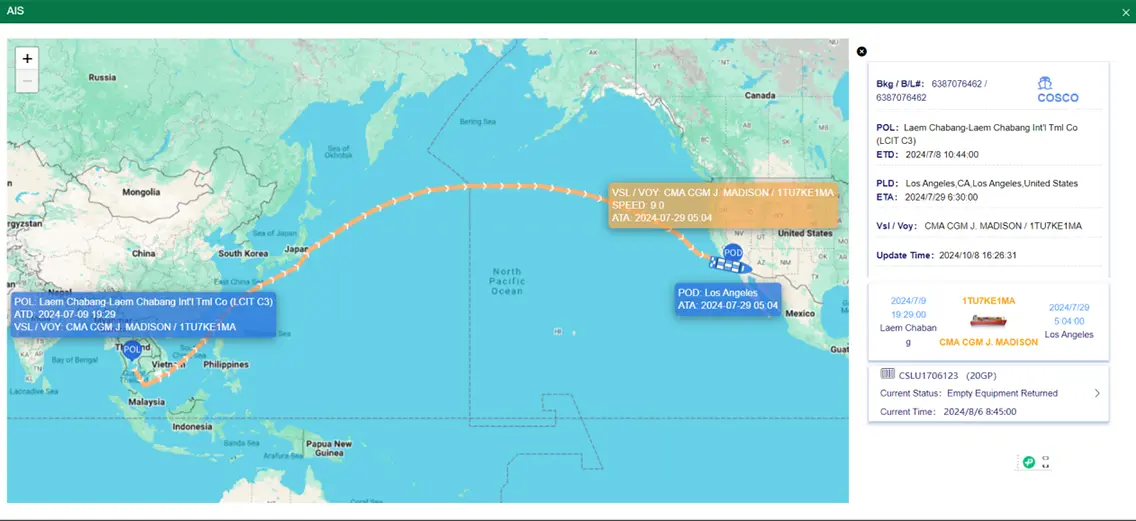
The future of ocean logistics visibility belongs to unified data pipelines. Trackingeyes is executing a technical development roadmap focused on three core pillars:
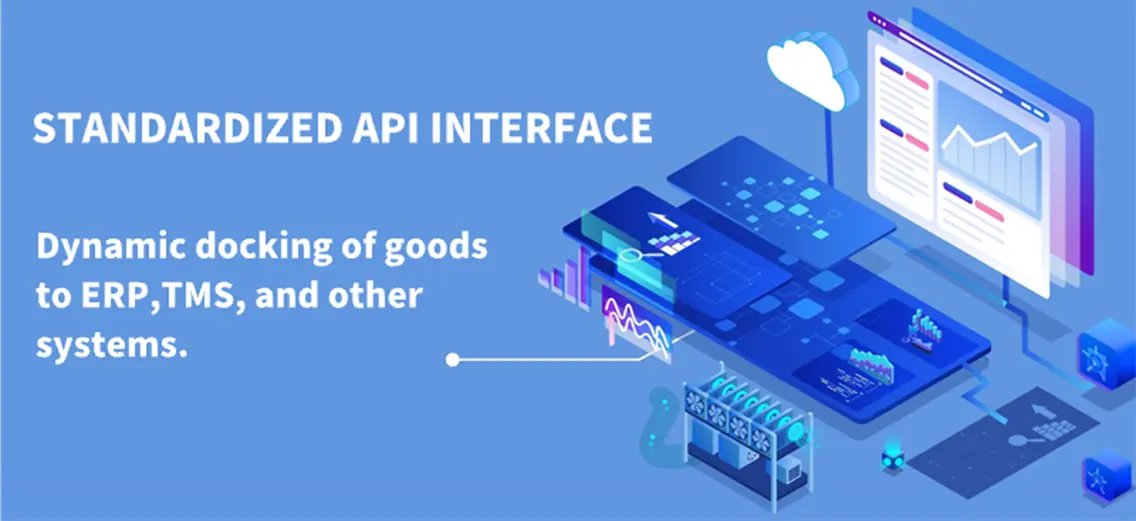
Seamlessly connect your digital systems with global ocean, air, and port terminal tracking interfaces.
 Trackingeyes