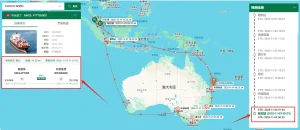
Integrate our real-time maritime tracking services, logistics schedule engines, and transparency APIs to empower your global operation workflows.
In the modern era of globalized trade, the complexity of maritime supply chains has exponentially increased. With over 80% of global trade volume carried by sea, logistics professionals face constant challenges from port congestion, geopolitical disruptions, extreme weather events, and information asymmetry. Traditional tracking paradigms that rely on manual EDI updates or fragmented freight forwarder sheets are no longer sufficient. High-quality Seacargo tracking has become a core element for modern procurement and logistics managers aiming to maintain supply chain resilience.
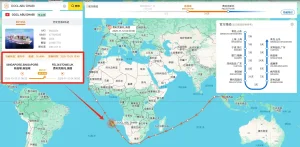
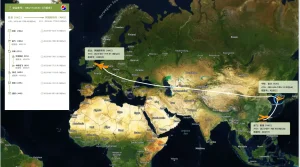
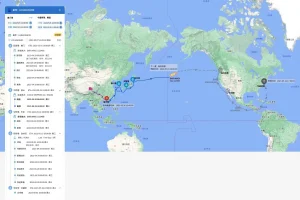
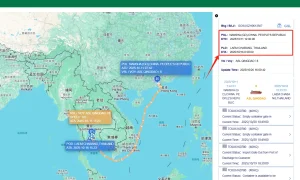
Legacy tracking methods usually inform importers of basic milestones: "Loaded on Vessel," "Discharged," or "Arrived at Destination." However, these milestones are historically lagging. If a vessel is anchored off the coast of Los Angeles for ten days, a basic milestone engine treats it as "In Transit." By deploying real-time AIS vessel tracking alongside advanced geo-fencing algorithms, modern logistics systems generate continuous telemetry. Knowing the precise coordinates, current speed, draft, and heading of a cargo ship enables logistics teams to compute realistic Estimated Times of Arrival (ETAs) that bypass standard carrier bias.
For global organizations importing from China, visibility challenges start long before the vessel sets sail. The domestic transport structure in China involves several complex touchpoints: factory warehouses, local freight dispatchers, inland customs hubs, and terminal yards.
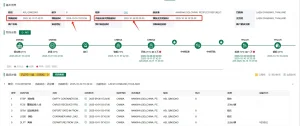
By establishing deep partnerships with local terminal operators in major Chinese ports like Shanghai, Ningbo-Zhoushan, Shenzhen, and Qingdao, Trackingeyes provides end-to-end transparency at the source. This origin visibility ensures that importers can monitor gate-in deadlines, track customs clearances, and avoid heavy penalties associated with late manifest filing. Understanding the dynamics at Chinese manufacturing hubs helps prevent first-mile bottlenecks and secures loading space during peak shipping seasons.


The cargo tracking industry is moving rapidly toward automation and intelligence. Key structural trends include:
Founded in 2015, Trackingeyes is a leading provider of global end-to-end logistics tracking and supply chain visualization solutions. With a founding team boasting over ten years of logistics expertise, we deeply understand industry pain points.
We specialize in global end-to-end cargo tracking by sea and air, serving thousands of import and export enterprises worldwide. Our services include customizable tracking solutions and open API data interfaces to enhance supply chain visibility and operational efficiency.
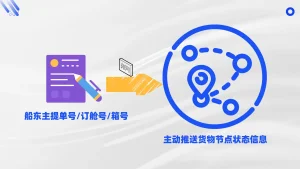
"Through API interface integration, the dynamics of goods can be automatically written back to internal systems and customer service systems of the enterprise, assisting global logistics enterprises, supply chain enterprises, cross-border e-commerce enterprises, software platforms and other enterprises to achieve more efficient and refined goods tracking management, and to do risk control and prediction in advance."
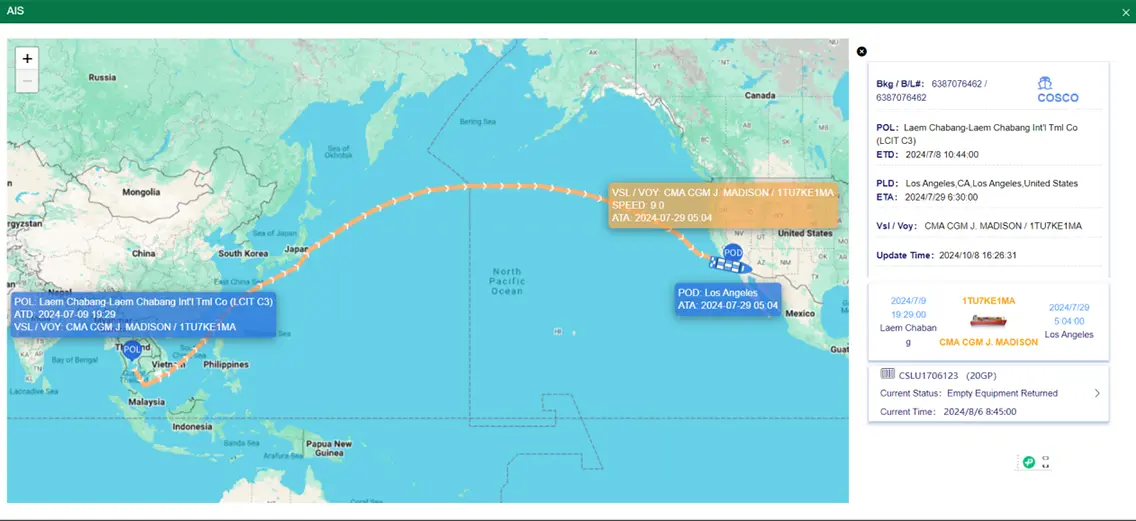
Explore the components that power the Trackingeyes digital maritime engine.
Monitor your sea shipments from the factory floor to the final distribution center yard, resolving visibility gaps in multi-modal transport chains.
Connect with hundreds of global shipping networks, port terminals, customs divisions, and airlines via a single enterprise-grade API connection.
Set up automated triggers for port cut-off alterations, route deviations, and potential destination port delays, letting you address logistics issues proactively.
Global operations require reliable data feeds to drive strategic business decisions. For companies importing or exporting high volumes of cargo, integrating standardized tracking telemetry into enterprise resources planning (ERP) platforms is key.
The Trackingeyes platform connects data from terminal stations, custom houses, shipping lines, and airlines. Having a centralized data pipe allows companies to automate repetitive communication, reduce container dwell time fees, and optimize supply chain operations.
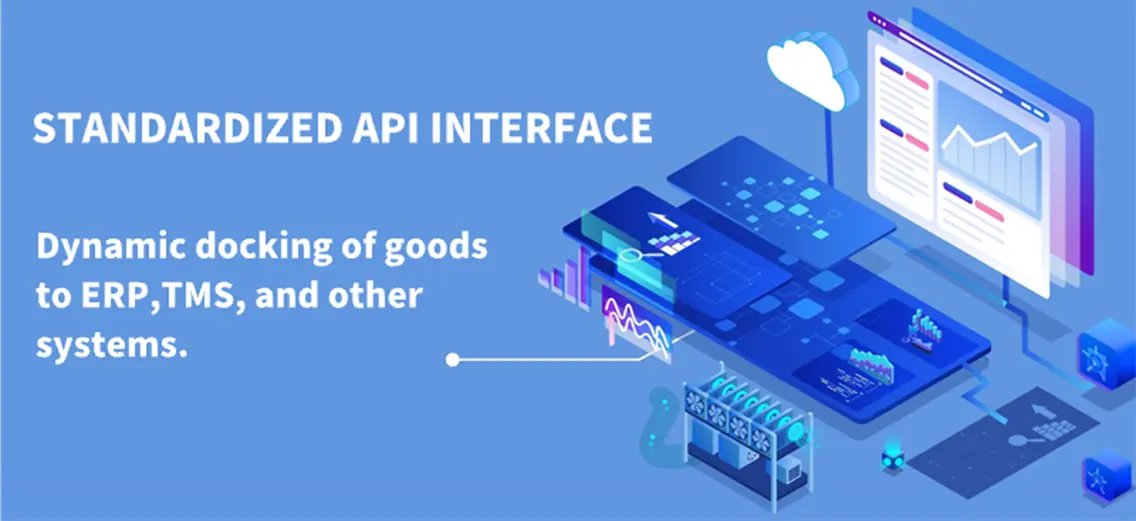
By leveraging our REST APIs, freight movements are automatically written back to customer service databases and internal inventory files. This setup helps global logistics providers, supply chain managers, e-commerce brands, and software developers build smarter, more responsive operational systems.
This level of integration simplifies destination cargo management, helps prevent terminal storage penalties, and improves container inventory turn rates.
Answers to common questions about ocean tracking, API integration, and supply chain visibility optimization.
Integrate our reliable data feeds and automated monitoring modules to simplify your end-to-end supply chain management.
Connect with our specialists today to build a custom data solution for your logistics operations.
Contact Us Today Trackingeyes