Explore our specialized tracking technologies, scheduling tools, and API integrations designed to automate real-time status updates and predictive ETAs across ocean and air operations.
In an era defined by volatile maritime routes, shifting trade corridors, and strict port compliance regulations, supply chain managers cannot afford visibility gaps. Founded in 2015, Trackingeyes has established itself as an industry-leading manufacturer of global end-to-end logistics tracking and supply chain visualization solutions. By integrating predictive analytics, hardware telemetry, and direct API hooks, Trackingeyes addresses the deep-seated structural vulnerabilities of modern intermodal transport.
Our foundational vision centers around mitigating the risks of cargo latency. Whether dealing with sudden port closures, customs backlogs, or unexpected reroutings, Trackingeyes delivers high-fidelity tracking data that empowers logistics teams to pivot dynamically, minimizing detention and demurrage charges while maintaining strict service-level agreements (SLAs).

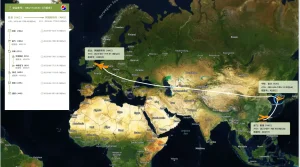
Connecting ocean, air, and overland data streams into one terminal.
Addressing the complex multi-tiered bottlenecks of international shipping, warehousing, and customs clearance through unified logic.
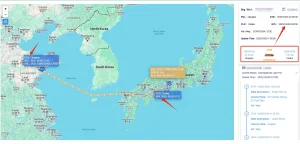
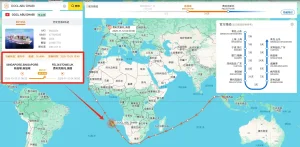
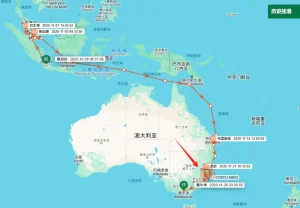
Integrating direct carrier interfaces, port operating systems (TOS), and vessel Automatic Identification Systems (AIS) to manage containerized freight. Predicts port opening alerts and tracks cut-off limits to ensure containers move without administrative penalties.
Designed for high-value, time-critical air freight. Trackingeyes connects directly with key airline networks via custom API keys, facilitating real-time transit telemetry, runway milestone logs, and warehouse hand-off tracking.
By transforming raw ocean and air transport data into visual logic modules, we enable industrial & trading platforms to seamlessly merge cargo tracking statuses with domestic inventory management and sales forecast algorithms.
The contemporary shipping industry experiences regular systemic delays, caused by severe weather patterns, geopolitical friction, and port congestion. Without programmatic tracking safeguards, manufacturing concerns face heavy demurrage fines and critical production line shutdowns. According to recent supply chain risk audits, companies relying on manual website tracking lose upwards of 23% in supply chain staff efficiency due to fragmented communication. By introducing unified API connections, Trackingeyes streamlines logistics tracking, allowing enterprises to automate risk mitigation protocols long before vessel berthing.
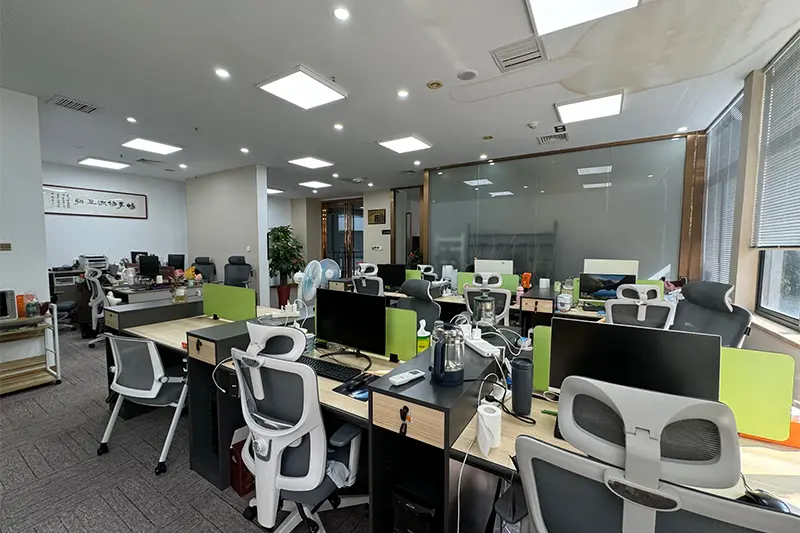
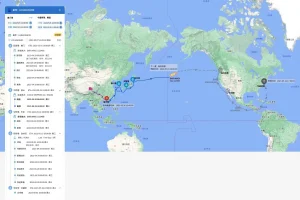
Aggregating AIS, terminal networks, and airline status feeds into a single portal.
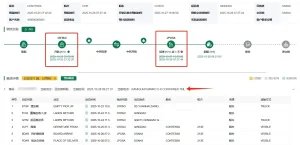
Our platform achieves comprehensive trace coverage by harvesting data from hundreds of global terminals, custom authorities, ocean liners, domestic rails, and air freight carriers. Trackingeyes operates as an intelligent mediator, parsing raw shipping information, scrubbing inconsistencies, and mapping key milestones into a unified standard.
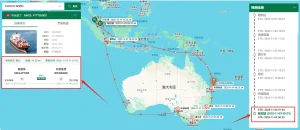
Integrating these disparate data feeds provides a reliable framework for risk management. For instance, rather than depending solely on ocean liner ETA reports, which are often revised manually after long delays, Trackingeyes combines vessel speed vectors, weather forecasts, and historical port congestion histories to deliver calculated ETAs. The system automatically pushes notifications directly to internal ERP platforms or service divisions.
Operating securely across regions while adapting tracking mechanics to meet localized customs regimes and privacy frameworks.
In international logistics, tracking visibility is only as strong as its local integration. Trackingeyes handles regional nuances through localized nodes, establishing data centers in key logistics clusters across North America, Europe, and Asia. This localized presence ensures minimal latency, high platform availability, and strict compliance with local regulatory guidelines.
GDPR, SOC 2, and Data Security: Logistics systems often handle sensitive commercially-restricted records, including shipment values, client lists, and cargo contents. Trackingeyes utilizes enterprise-grade encryption for data in transit and at rest. We adhere to local security guidelines like GDPR in Europe and regional cybersecurity protocols in Asia-Pacific, ensuring your proprietary operational intelligence remains protected.
Customs Integration & Geofencing: True door-to-door tracking requires visibility through regional import/export customs clearance. Our platform monitors customs release signals and incorporates geofencing technologies. Users can define automated boundary alerts surrounding ports, storage yards, and dry docks, triggering instant notifications as soon as cargo crosses regional customs borders.
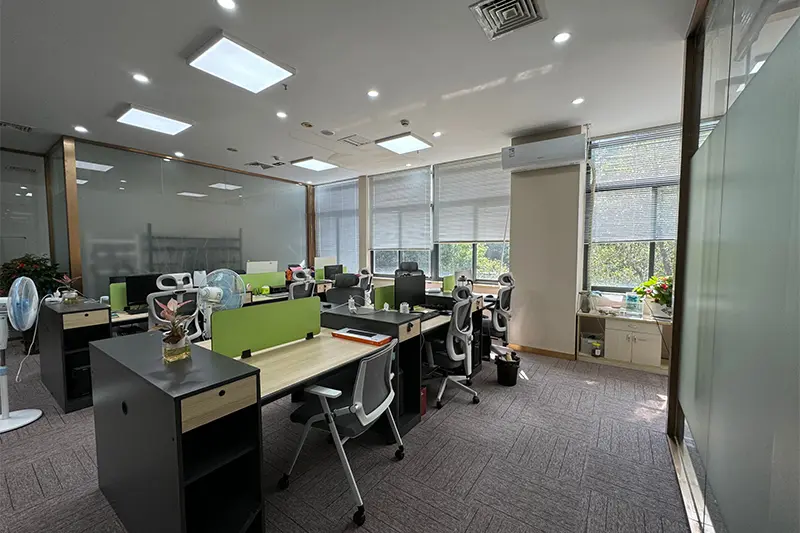
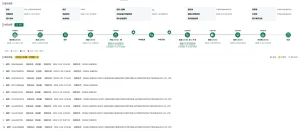
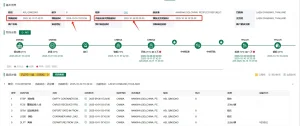
Tracking container dwell times and gate out metrics.
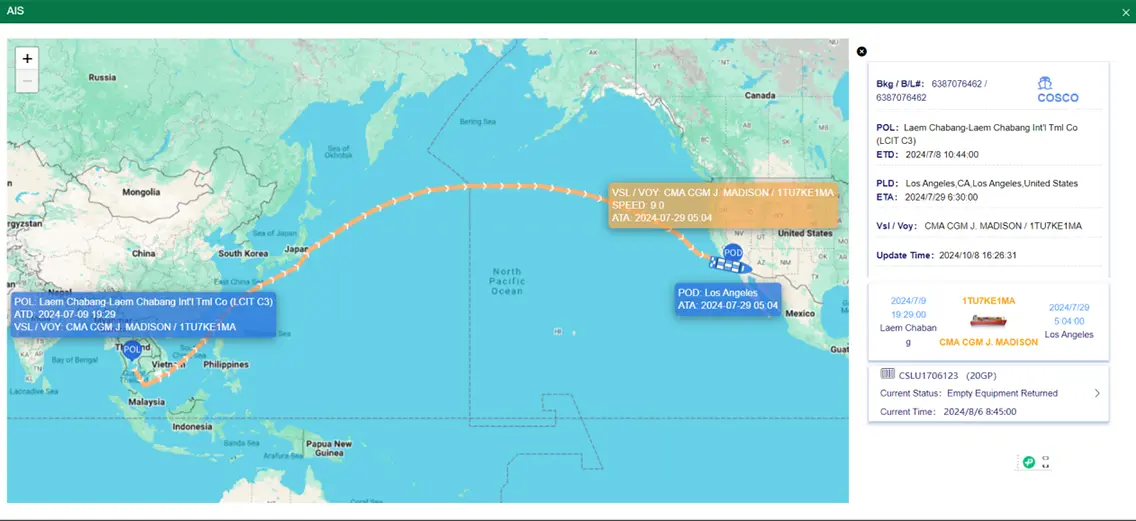
Real-time tarmac tracking and cargo arrival confirmations.
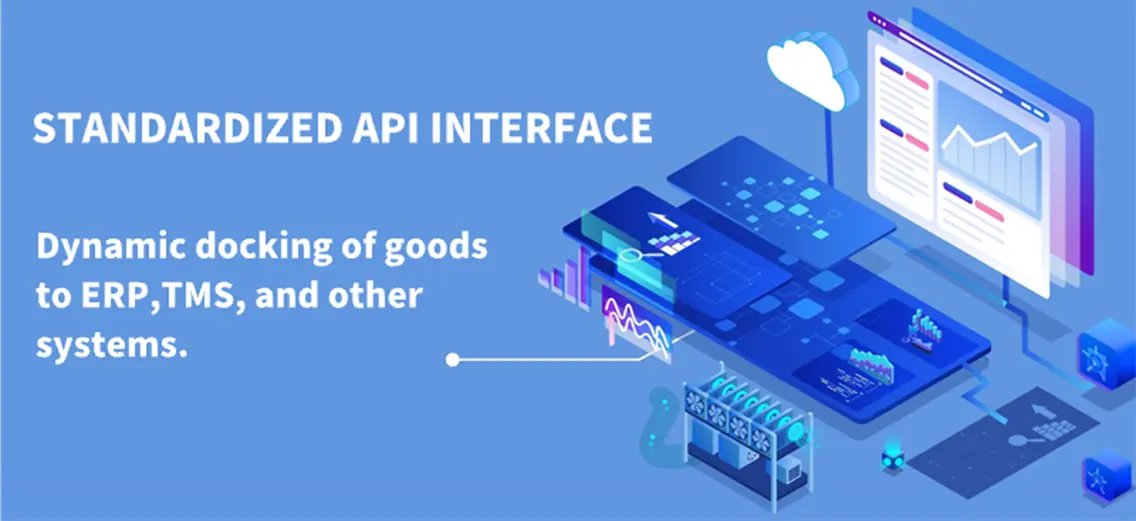
Direct connectivity to ERP systems and supply chain platforms.
See how global manufacturers, e-commerce platforms, and tier-1 logistics providers deploy Trackingeyes to solve concrete operational issues.
For shippers managing cargo inland from Pacific ports, tracking rail transfers is historically difficult. Trackingeyes interfaces with class-1 rail networks, providing clear visibility of milestones at rail yards and hubs, and flagging potential demurrage fees before container pick-ups are delayed.
High-volume merchants use our Air Cargo APIs to track thousands of daily light-freight parcels. Automatically writing back status updates to consumer-facing tracking portals lowers customer service contacts and boosts post-purchase customer satisfaction.
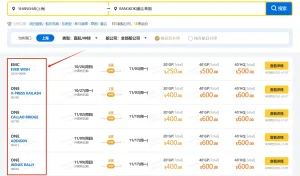
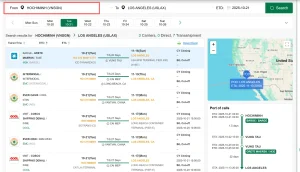
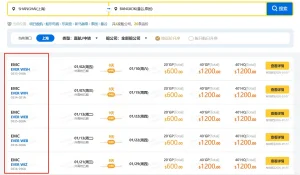
For industrial manufacturers handling project-based logistics, shipping delays can trigger heavy site contract penalties. By utilizing our Sailing Schedule APIs and vessel AIS updates, project managers can align machinery delivery schedules with onsite crew assembly times.
Pioneering the next wave of intelligent supply chain infrastructure with advanced predictive modeling and sensor integration.
The cargo tracking landscape is transitioning from passive milestone logging to active predictive management. The Trackingeyes development team is currently focusing on three key technology pillars designed to enhance supply chain resilience over the next decade:
While tracking containers by vessel AIS remains our core capability, future demands require monitoring cargo status at the product level. Our roadmap details the deployment of battery-powered IoT smart sensors designed to record ambient temperature, humidity, shock forces, and light penetration. This sensor integration is crucial for cold chain pharma shipments and sensitive electronics.
We are continuously upgrading our AI ship prediction model. By analyzing historical vessel queuing patterns at ports, weather anomalies, and carrier schedules, the platform will offer highly accurate ETA predictions up to 14 days before a vessel reaches its destination port, helping logistics teams avoid bottlenecks ahead of time.
In response to global sustainability mandates, Trackingeyes is developing a carbon analytics engine. By tracking actual vessel transit times, ocean routes, and cargo weight, the system will estimate emissions per TEU per kilometer, providing enterprises with verified data for their ESG reports.
Answers to common technical, commercial, and operational questions about Trackingeyes solutions.
Choose from our specialized tracking tools to enhance your visibility, control costs, and scale your global supply chain operations.
 Trackingeyes