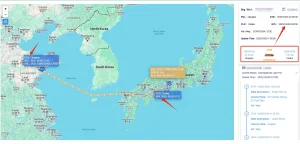
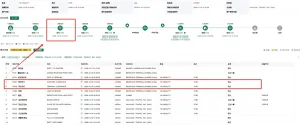
Explore our high-performance cargo tracking API services, automated vessel AIS prediction engines, and comprehensive ocean freight management protocols designed for global logistics pipelines.
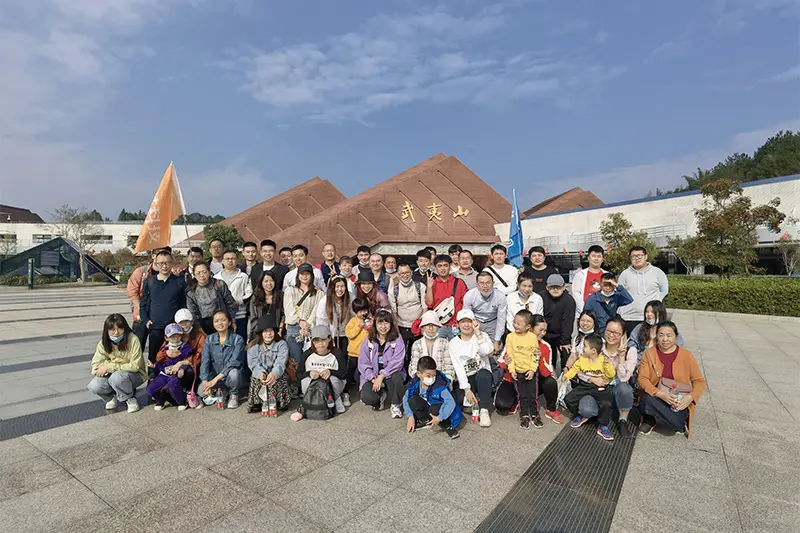
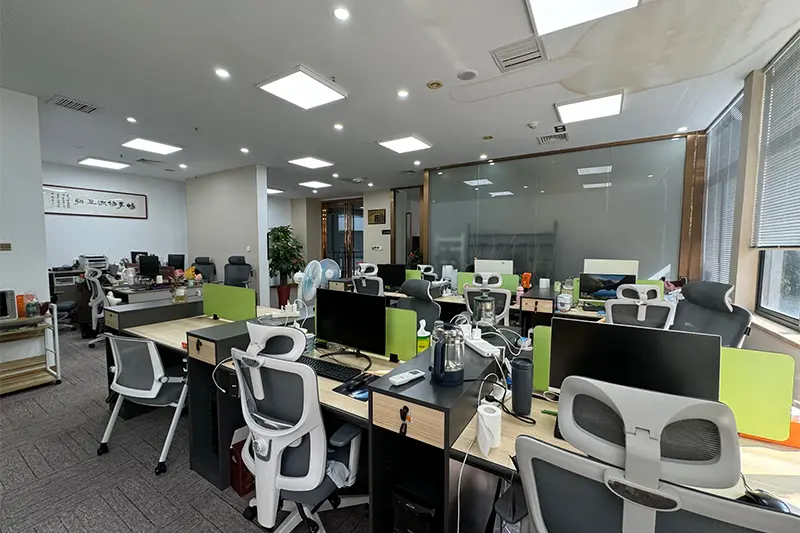
Founded in 2015, Trackingeyes is a leading provider of global end-to-end logistics tracking and supply chain visualization solutions. With a founding team boasting over ten years of logistics expertise, we deeply understand industry pain points. We specialize in global end-to-end cargo tracking by sea and air, serving thousands of import and export enterprises worldwide. Our services include customizable tracking solutions and open API data interfaces to enhance supply chain visibility and operational efficiency.
The platform achieves full chain data coverage from the source to the terminal through the collection and aggregation of data sources, including logistics information from various data sources such as stations, terminal, customs, shipping companies, and airlines. Through the Trackingeyes Platform, customers can quickly connect with hundreds of global data sources, greatly improving the efficiency and intelligence of logistics tracking.
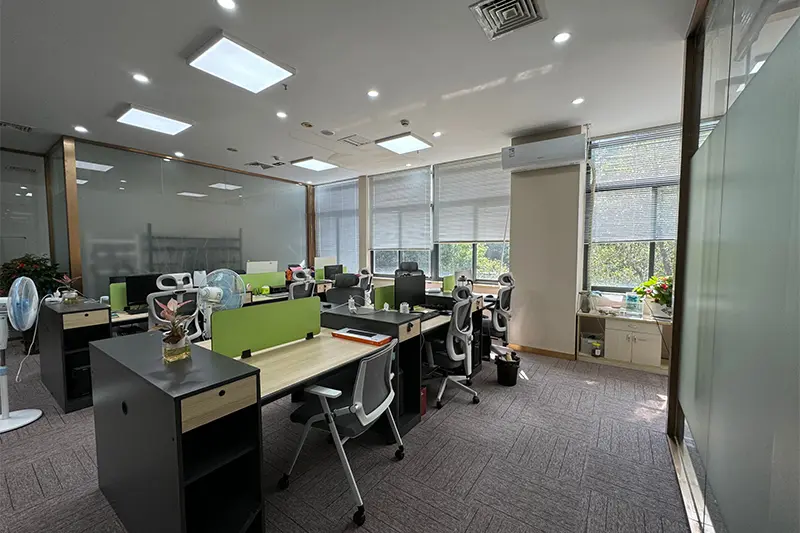
Unlock end-to-end visibility with our trusted tracking platform. We bring proven reliability to both ocean and air cargo tracking, giving you the accurate data and control needed to streamline operations from port to runway.
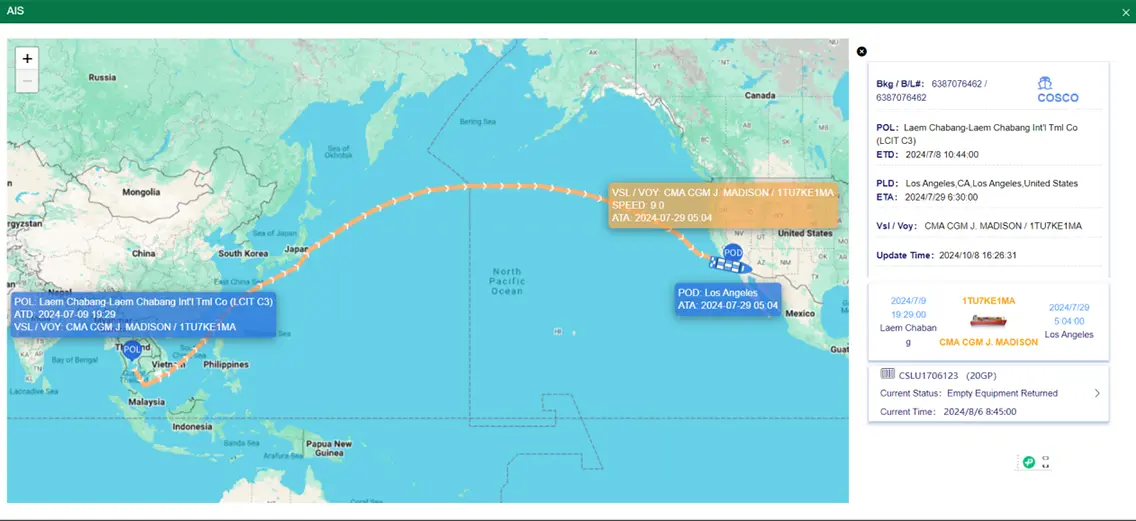
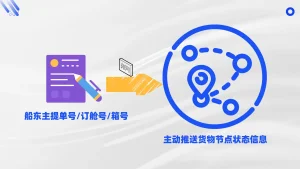
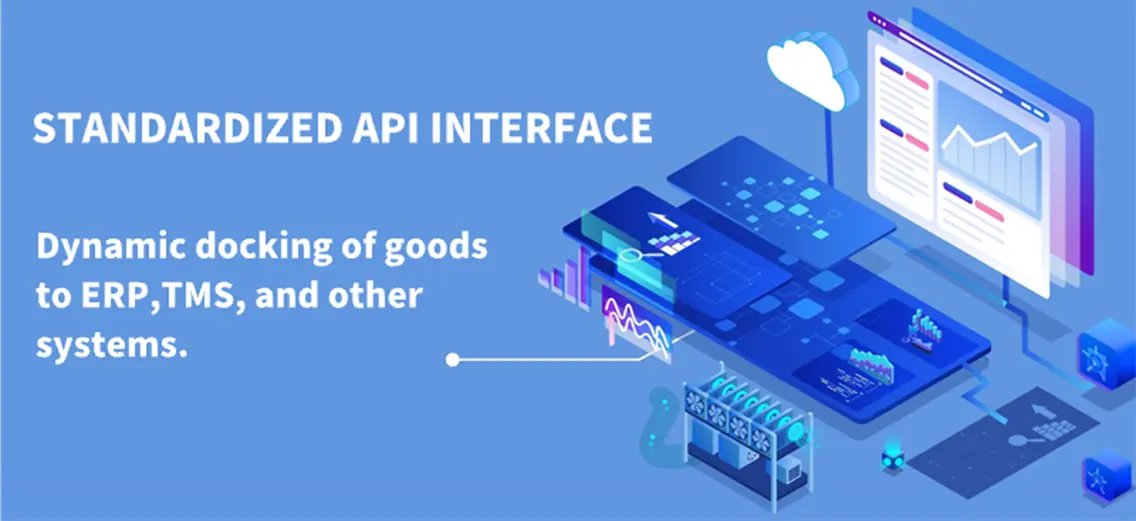
Operating in a high-volatility global trading environment requires real-time information processing. Trackingeyes processes trillions of oceanic and atmospheric telemetry nodes. Our platform standardizes raw EDI and AIS data streams from different carriers, resolving inconsistencies in status definitions to output a normalized, unified structure via a RESTful API.
By embedding our API into your ERP, TMS, or customer-facing logistics tools, you eliminate manual data compilation. This enables predictive risk mitigation—such as identifying potential transshipment roll-overs or port congestion spikes before they impact your warehouse schedules.
Unveiling the technological paradigm shifts reshaping maritime, air, and land freight visibility across global trade routes.
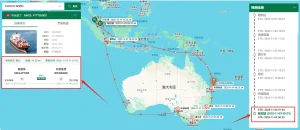
Static schedule timetables are obsolete. Contemporary logistics platforms utilize historical AIS (Automatic Identification System) vessel telemetry and deep learning algorithms to recalculate arrival ETAs, anticipating port delays and adverse weather conditions.
Legacy EDI structures are giving way to RESTful Web APIs. Modern supply chains prioritize microservices that feed standardized XML/JSON data directly into proprietary ERP and WMS platforms, removing human intervention.
Logistics visibility is expanding beyond simple ocean voyages. Supply chain operators now require continuous milestone tracking from inland factories, customs clearance gates, maritime transit, through to last-mile fulfillment hubs.
Understanding the core operational metrics and features enterprise procurement teams prioritize when integrating global tracking solutions.
Unplanned demurrage and detention charges are a major drain on global freight budgets. Procurement officers prioritize track-and-trace providers that alert them before containers exceed free-time allocations. By sending automated notifications of vessel arrivals and container discharges, businesses can optimize drayage dispatch schedules and keep detention costs to a minimum.
Enterprise software ecosystems can be complex. When procuring logistics solutions, companies look for tracking systems that offer comprehensive developer support, detailed documentation, and standardized JSON/REST architectures. Minimizing integration time ensures a faster return on investment (ROI) for internal IT projects.
A track-and-trace service is only as good as its data sources. Our platform bridges the gap by aggregating information from global shipping lines, port terminal operating systems (TOS), local customs authorities, and AIS transponders. This offers single-source access to cargo status updates worldwide.
Analyzing how the digitization of Chinese manufacturing hubs provides global buyers with enhanced predictability and supply chain security.
China's manufacturing sector is transitioning to smart factories, automated production lines, and IoT-driven warehousing. This Industry 4.0 transformation relies heavily on integrated logistics to keep supply chains running smoothly. Raw cargo tracking starts right at the factory door.
Trackingeyes integrates directly with domestic factory ERP systems in major industrial clusters (including the Yangtze River Delta and Pearl River Delta). This gives international buyers real-time visibility into cargo milestones before it even leaves the port of loading. By linking production schedules with marine transit times, businesses can optimize inventory planning and reduce safety stock requirements.
This collaborative model helps mitigate bottlenecks at busy hubs like Shanghai and Ningbo-Zhoushan. Real-time scheduling updates allow carriers and manufacturers to adjust to changes in export volumes, building supply chain resilience for international markets.
Our infrastructure delivers real-time visibility across global maritime and aviation networks.
How different global trade regions leverage Trackingeyes' API infrastructure to solve specific logistical challenges.
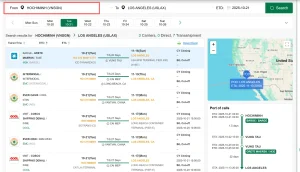
Importing to major US West Coast gateways often involves complex rail transfers. Our tracking solutions unify ocean container arrivals with domestic rail updates, providing visibility as cargo moves from ship to rail and inland depots.
Importing goods through hubs like Rotterdam or Hamburg requires precise timing. Our automated tracking APIs alert European custom agents with ETA updates, helping speed up declaration prep and reduce dwell-time fees.
Transshipment nodes like Singapore can be operational blind spots. We monitor container discharge, terminal movement, and reloading onto feeder vessels, helping reduce the risk of missed connections on regional routes.
Get answers to technical and operational questions about our GP Cargo tracking APIs, custom data integration, and pricing models.
Optimize your workflow with our advanced logistics solutions, including transit scheduling tools and automated multimodal customs interfaces.
 Trackingeyes