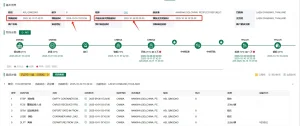
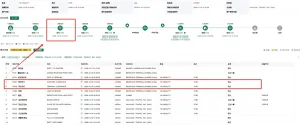
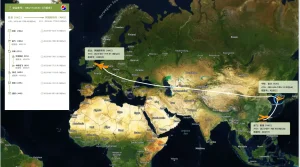
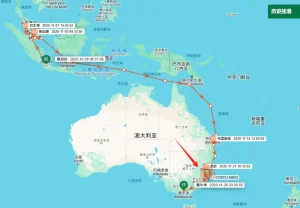
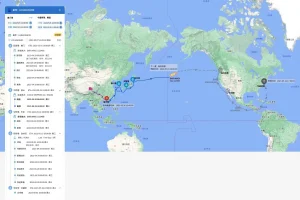
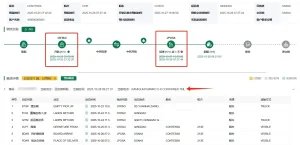
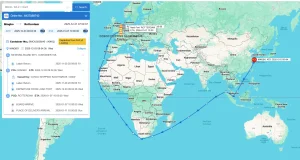
Explore our specialized database REST APIs configured to supply automated data tracking, vessel AIS tracking, air freight tracking, and customized customs-to-destination pipeline automation.
In modern global trade, supply chain complexity has reached an all-time high. Logistics operators, cross-border e-commerce networks, and manufacturers often deal with fragmented systems. The transition from legacy Electronic Data Interchange (EDI) systems to real-time, low-latency Database REST API structures is no longer an optional upgrade—it is a critical operational survival requirement.
A high-quality Database REST API serves as the unified data middleware that connects marine Automatic Identification Systems (AIS), air cargo flight schedules, customs entry databases, and intermodal inland transport coordinates. By integrating these systems, companies gain access to actionable, structured data pipelines that remove blind spots across complex corridors.
Our Rest API transforms raw unstructured sensor feeds into standardized, validated JSON models mapping directly to your ERP, CRM, or WMS systems.
As international supply chains shift from just-in-time logistics to resilient, multi-tiered networks, data continuity is essential to maintaining operational agility.
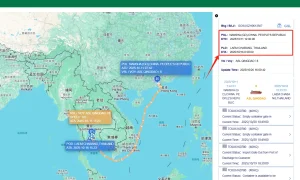
Whether mapping North American rail hubs or Southeast Asian shipping routes, our database products gather telemetry from multiple terminal networks to generate a unified location index.
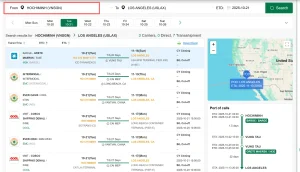
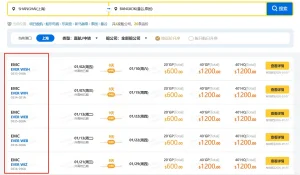
Aligning carrier schedules and spot rates dynamically is a major logistical challenge. The Auto-Matching API acts as an automated pricing database, letting users programmatically evaluate carrier quotes.
Accurately estimating loading times prevents port storage overages, demurrage, and manifest submission delays. Automated APIs query historical port congestion patterns to flag potential delays before they occur.
Founded in 2015, Trackingeyes is a leading provider of global end-to-end logistics tracking and supply chain visualization solutions. With a founding team boasting over ten years of logistics expertise, we deeply understand industry pain points. We specialize in global end-to-end cargo tracking by sea and air, serving thousands of import and export enterprises worldwide. Our services include customizable tracking solutions and open API data interfaces to enhance supply chain visibility and operational efficiency.
The platform achieves full chain data coverage from the source to the terminal through the collection and aggregation of data sources, including logistics information from various data sources such as stations, terminal, customs, shipping companies, and airlines. Through the Trackingeyes’ Platform, customers can quickly connect with hundreds of global data sources, greatly improving the efficiency and intelligence of logistics tracking.
Contact Us


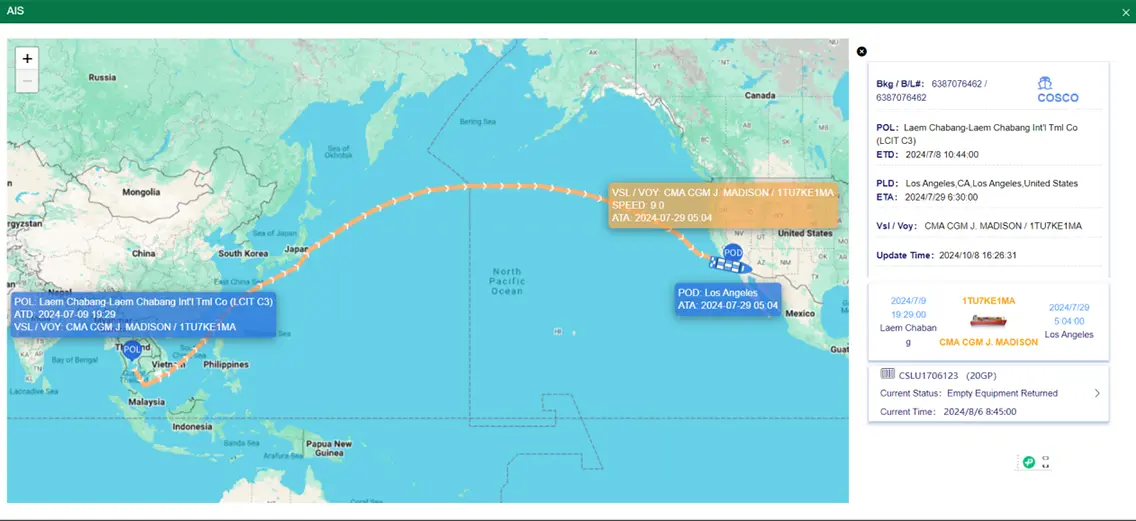
Unlock end-to-end visibility with our trusted tracking platform. We bring proven reliability to both ocean and air cargo tracking, giving you the accurate data and control needed to streamline operations from port to runway.
Through API interface integration, the dynamics of goods can be automatically written back to internal systems and customer service systems of the enterprise, assisting global logistics enterprises, supply chain enterprises, cross-border e-commerce enterprises, software platforms and other enterprises to achieve more efficient and refined goods tracking management, and to do risk control and prediction in advance.
Managing logistics across multiple jurisdictions requires strict compliance, local support, and robust interfaces that match regional rules.
Operating at the interface of custom clearance requires high security. Our API schemas align with both China Customs frameworks and North American intermodal transport guidelines, enabling compliant, standardized, end-to-end data validation.
Protecting sensitive supply chain records is our priority. Trackingeyes utilizes OAuth2 security protocols, HTTPS encryption, and data masking to keep private container numbers and client invoices safe.
We run high-availability server nodes in East Asia, North America, and Europe. This minimizes routing latency and meets regional requirements for storing transactional data within local borders.
We are constantly developing our API platforms to keep pace with changing supply chain needs.
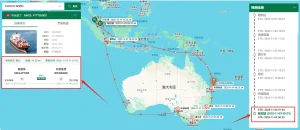
Integrating advanced satellite and terrestrial AIS networks to expand real-time tracking accuracy across remote shipping lanes.
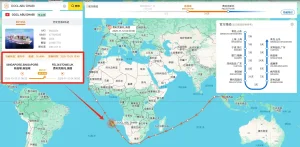
Improving ETA predictions using machine learning models that analyze historical weather, port congestion, and seasonal fluctuations.
Building unified databases that bridge rail, road, air, and ocean tracking under a single API call.
Technical details, implementation guides, and answers to common integration questions.
Our API uses a machine learning algorithm trained on historical voyage tracks, weather conditions, vessel speeds, and terminal queue delays. Instead of relying solely on static carrier ETAs, it constantly updates its predictions based on real-time AIS telemetry.
The platform is built on standard REST architecture, accepting HTTPS requests and returning lightweight JSON payloads. We also support webhooks to push real-time updates directly to your system when milestones are reached, reducing the need for constant polling.
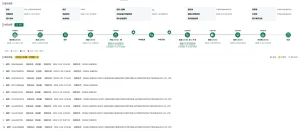
Our APIs pull from multiple public and private customs endpoints, matching cargo manifest statuses with terminal container movements. This provides clear visibility of the transition from import release to final yard gate-out.
Yes. Since the API returns standardized JSON structures, you can easily map them to ERP systems like SAP, Oracle, or custom applications using standard developer tools.
Check our full list of logistics database tracking products and request customized deployment options for your operations.
 Trackingeyes