Explore our core API integrations, real-time AIS tracking engines, and custom supply chain visualization tools.
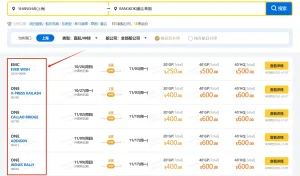
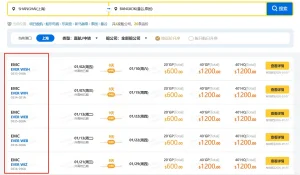
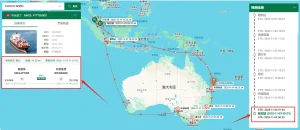
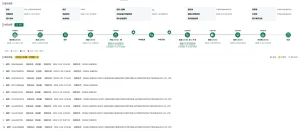
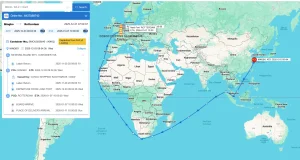
In the modern globalized economy, supply chain disruptions have transitioned from rare anomalies to persistent operational challenges. Traditional tracking methods, which rely heavily on manual updates, fragmented EDI messages, and siloed carrier portals, no longer suffice. The industry is undergoing a massive transformation toward Online-to-Offline (O2O) Tracking Cargo solutions.
This paradigm shift bridges the gap between physical cargo movements in the offline world (vessels at sea, trucks on highways, containers at rail terminals) and online enterprise management systems. By integrating real-time IoT sensors, satellite AIS data, and terminal operating systems, O2O tracking provides a single, unified source of truth. This allows manufacturers, freight forwarders, and logistics providers to transition from reactive troubleshooting to proactive supply chain orchestration.
The global logistics market is facing unprecedented volatility. Port congestion, geopolitical shifts, labor shortages, and extreme weather events require businesses to maintain absolute visibility over their inventory in transit. According to recent maritime studies, inaccurate ETA data costs the global manufacturing sector billions of dollars annually in demurrage, detention fees, and lost sales opportunities.
Industrial manufacturers are no longer satisfied with knowing that a container is "at sea." They demand granular data: exact coordinates via satellite AIS, port gate-in/gate-out timestamps, customs clearance status, and predictive analytics that forecast potential delays days before they occur. The demand for high-quality O2O tracking cargo manufacturers has surged as companies seek to build resilient, agile supply chains that can adapt to disruptions in real time.
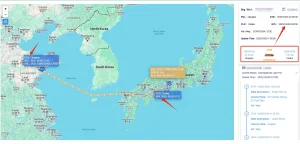
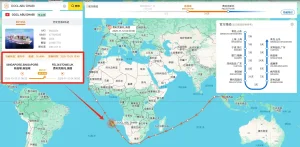
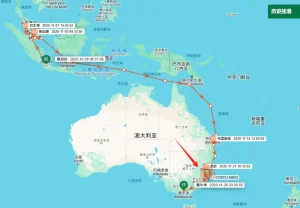
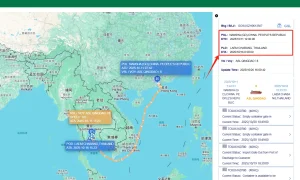
At the core of Trackingeyes' solutions is a sophisticated data ingestion and processing engine. We aggregate data from hundreds of global sources, including ocean carriers, airlines, terminal operators, customs authorities, and terrestrial/satellite AIS receivers. This multi-layered data is processed through our proprietary AI algorithms to filter out noise and deliver highly accurate, structured tracking information.
We combine satellite AIS vessel tracking, airline AWB updates, port terminal milestones, and customs status into a single, standardized data stream, eliminating the need to manage multiple carrier integrations.
Our open API data interfaces allow for seamless integration. Automatically write back real-time cargo status, milestones, and ETA updates directly into your internal ERP, WMS, or TMS systems.
Using historical transit times, port congestion metrics, weather patterns, and real-time vessel speeds, our machine learning models generate dynamic, highly accurate ETA predictions.
Cross-border logistics is inherently complex, governed by regional regulations, customs procedures, and localized infrastructure challenges. Trackingeyes provides comprehensive localized support to ensure seamless cross-border operations, particularly bridging the critical "last mile" of delivery.
Our platform integrates directly with regional customs databases (such as US CBP, European Union ICS2, and China Customs) to provide instant updates on clearance status. Furthermore, we support localized tracking for major inland transport networks, including North American Class I rail nodes and European intermodal networks, ensuring that cargo is monitored continuously as it transitions from ocean to rail and road transport.
From a compliance perspective, Trackingeyes adheres to strict data security standards, including GDPR compliance for European operations and ISO 27001 certification, guaranteeing that sensitive supply chain and commercial data remains secure and confidential at all times.
To understand the value of O2O tracking cargo solutions, we must look at how they solve specific, localized operational pain points across various industries:
Large manufacturing enterprises often struggle with outdated ERP systems that lack real-time visibility. By integrating Trackingeyes' visual engine, these companies can embed live ocean and air tracking directly into their procurement and production planning modules, optimizing raw material inventory levels.
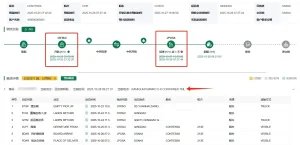
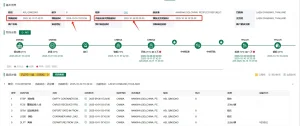
For exporters, missing a port cut-off time or delivering containers too early can result in massive financial penalties and storage fees. Our automated port opening alerts and cut-off tracking notify logistics teams of the exact window for container return, preventing costly delays.
Importers need to coordinate truck pick-ups as soon as a container is discharged from the vessel to avoid port demurrage. Trackingeyes provides instant ATD/ATA updates and vessel discharge alerts, allowing drayage dispatchers to schedule drivers precisely when the cargo is ready.
Founded in 2015, Trackingeyes is a leading provider of global end-to-end logistics tracking and supply chain visualization solutions. With a founding team boasting over ten years of logistics expertise, we deeply understand industry pain points. We specialize in global end-to-end cargo tracking by sea and air, serving thousands of import and export enterprises worldwide. Our services include customizable tracking solutions and open API data interfaces to enhance supply chain visibility and operational efficiency.
The platform achieves full chain data coverage from the source to the terminal through the collection and aggregation of data sources, including logistics information from various data sources such as stations, terminals, customs, shipping companies, and airlines. Through the Trackingeyes’ Platform, customers can quickly connect with hundreds of global data sources, greatly improving the efficiency and intelligence of logistics tracking.
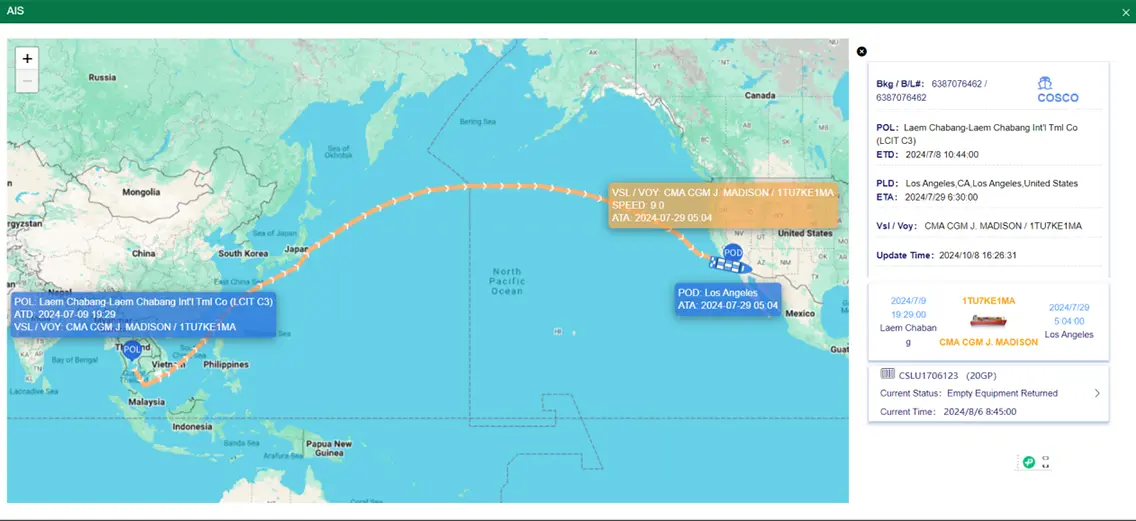
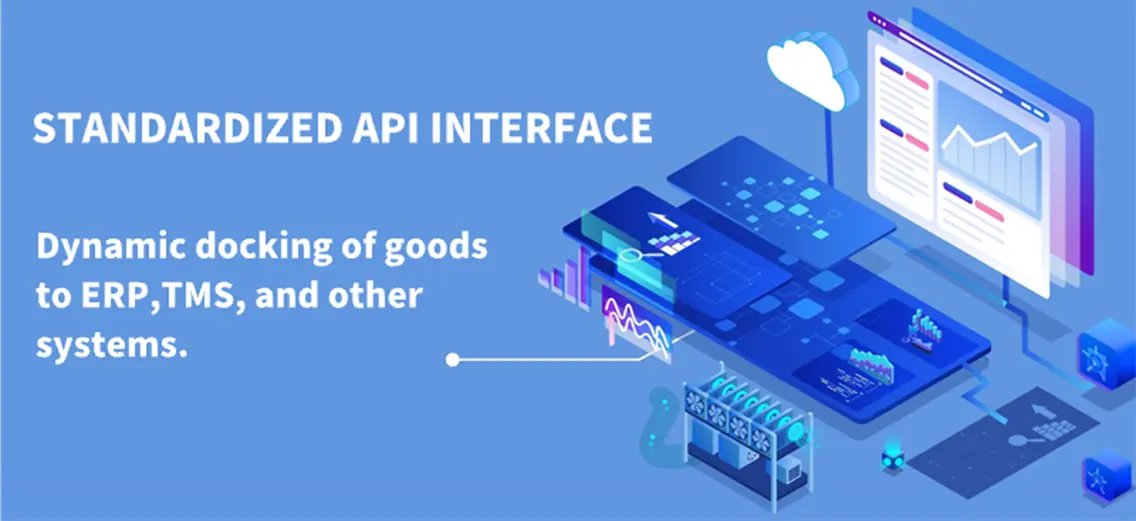
Through API interface integration, the dynamics of goods can be automatically written back to internal systems and customer service systems of the enterprise, assisting global logistics enterprises, supply chain enterprises, cross-border e-commerce enterprises, software platforms and other enterprises to achieve more efficient and refined goods tracking management, and to do risk control and prediction in advance.
Contact Our Integration ExpertsHow we are evolving our technology to meet the next generation of supply chain challenges.
Integrating real-time temperature, humidity, and shock sensor data with container milestones to provide condition monitoring alongside location tracking.
Leveraging deep learning to analyze historical port turnaround times and predict terminal congestion up to two weeks in advance.
Developing AI agents that not only detect delays but automatically propose and book alternative routing options to minimize supply chain disruption.
Get answers to technical questions about O2O tracking cargo solutions, API integrations, and data accuracy.
O2O (Online-to-Offline) tracking cargo refers to the integration of physical, offline tracking data (such as satellite AIS signals, GPS, and IoT sensor data) with online digital systems (like ERP, TMS, and WMS). Unlike traditional tracking, which relies on manual updates or delayed EDI status messages, O2O tracking provides real-time, automated, and continuous visibility of cargo throughout its journey.
We achieve industry-leading ETA accuracy by combining multiple real-time data sources—including satellite and terrestrial AIS, port terminal status, and carrier schedules—with machine learning algorithms. Our models analyze historical transit times, current vessel speeds, weather patterns, and port congestion to dynamically update ETAs, allowing you to plan operations with confidence.
Yes, absolutely. Trackingeyes provides robust, open RESTful APIs and Webhooks designed for seamless integration. You can automatically write back tracking milestones, vessel locations, and ETA updates directly into your internal systems, such as SAP, Oracle, Microsoft Dynamics, or custom-built platforms, enabling automated workflows and alerts.
We provide global coverage for both ocean and air cargo. For ocean transport, we track containers across all major shipping lines and global ports. For inland transport, we support rail node tracking in North America and key intermodal networks in Europe and Asia, ensuring end-to-end visibility from the factory floor to the final destination.
Complete your supply chain integration with our advanced tracking APIs and customs clearance solutions.
 Trackingeyes