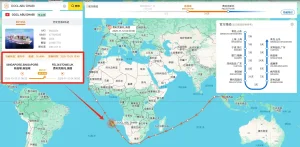
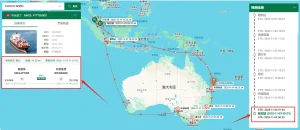
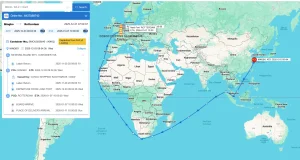
Harness real-time API integrations, machine-learning ETA engines, and customized alerts to manage ocean and air cargo lanes seamlessly.
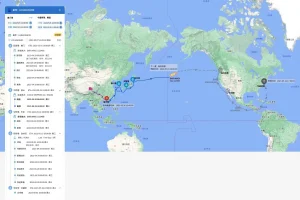
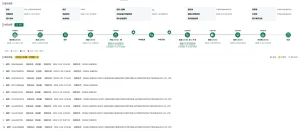
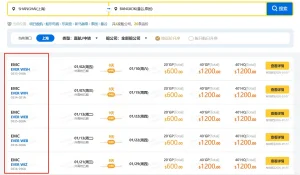
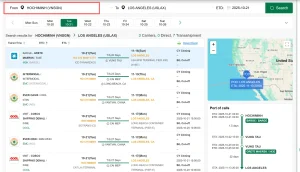
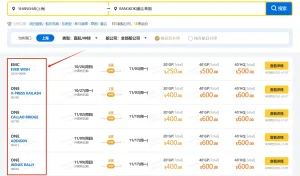
Founded in 2015, Trackingeyes is a leading provider of global end-to-end logistics tracking and supply chain visualization solutions. With a founding team boasting over ten years of deep maritime logistics expertise, we resolve systemic industry pain points. We specialize in global end-to-end cargo tracking by sea and air, serving thousands of import and export enterprises worldwide. Our services include customizable tracking solutions and open API data interfaces to enhance supply chain visibility and operational efficiency.
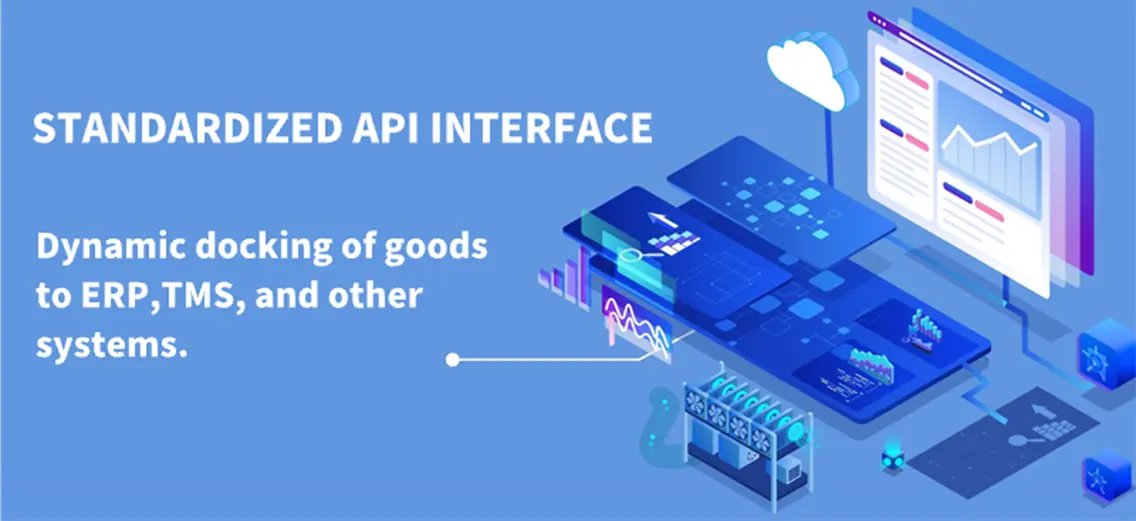
"Through API interface integration, the dynamics of goods can be automatically written back to internal systems and customer service systems of the enterprise, assisting global logistics enterprises, supply chain enterprises, cross-border e-commerce enterprises, software platforms and other enterprises to achieve more efficient and refined goods tracking management, and to do risk control and prediction in advance."
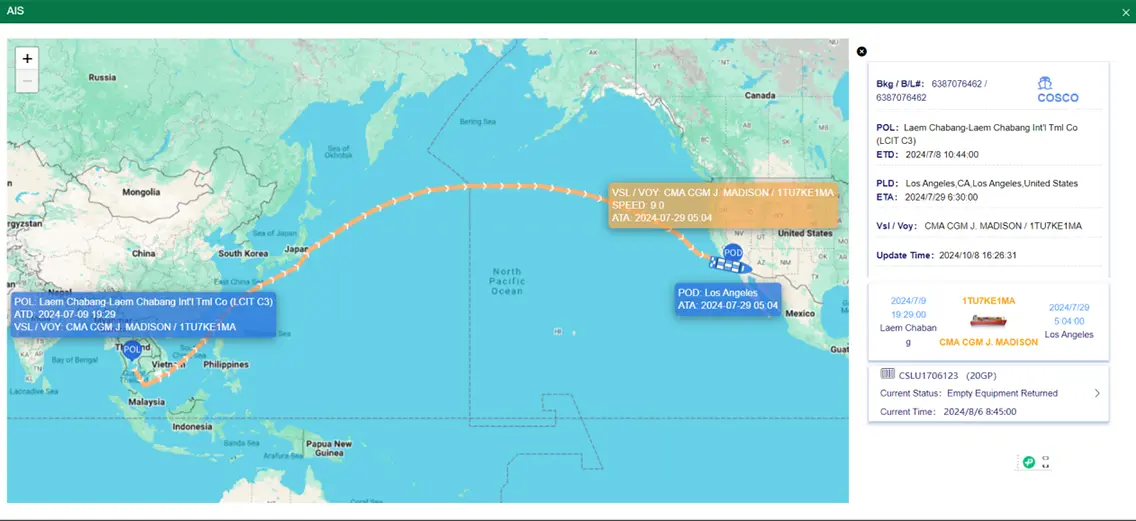

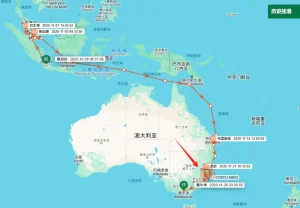
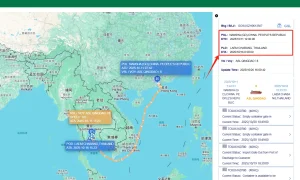
Maritime transport constitutes the backbone of global trade, carrying approximately 80% to 90% of global trade volume. The ability to monitor vessel routes, predict berthing window constraints, and mitigate port delays is no longer a luxury but a fundamental requirement for business continuity. Trackingeyes integrates massive global telemetry networks to aggregate and cleanse multi-carrier AIS data, translating raw coordinate data points into actionable supply chain insight.
Modern global logistics operates in a volatile landscape. Geopolitical flashpoints, route disruptions in major waterways (such as the Suez and Panama Canals), and climatic variability require companies to establish immediate risk control mechanisms. Traditional tracking relies on daily update emails from freight forwarders, creating a systemic time lag. Today's industrial procurement officers demand unified API portals offering container-level updates with millisecond response times.
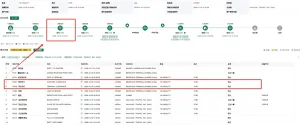
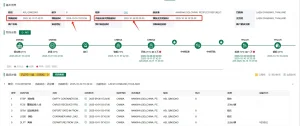
This dynamic shift has birthed the "Visual Era" of global shipping. Leading logistics platforms pull spatial data directly from terrestrial AIS receiver arrays and low-orbit satellites, matching coordinates with ocean bills of lading. The raw output is enhanced by predictive machine learning models that generate highly accurate Estimated Time of Arrival (ETA), Estimated Time of Departure (ETD), Actual Time of Departure (ATD), and Actual Time of Arrival (ATA) calculations.
At the center of global manufacturing sits China’s industrial powerhouse. With the rollout of Industry 4.0 paradigms across Chinese factories, the boundary between factory lines and maritime shipping routes has blurred. Just-In-Time (JIT) manufacturing requires strict synchronization between production and sailing schedules.
By implementing solutions such as Trackingeyes' *China AI Ship Prediction* and *Automatic ETA Updates*, manufacturing sites in key export zones (Guangdong, Zhejiang, Jiangsu) dynamically schedule their packaging and outbound trucking. When port schedules shift, the factory's ERP automatically receives automated alerts via API, optimizing storage fees and avoiding container demurrage costs at port side. This deep integration is the core mechanism behind the high efficiency and cost competitiveness of China's outbound supply chains.
Enterprise procurement departments across North America and Europe face rising operational costs from unexpected demurrage, detention fees, and lost retail windows. Consequently, vendor evaluations for vessel tracking solutions look beyond simple map overlays. They demand:
Combining legacy shipping expertise with modern data science to drive cross-border visibility.
Bridge the critical final mile by connecting global customs databases directly to your internal logistics control tower.
Receive absolute updates regardless of open ocean position via deep satellite data backbones and localized harbor receiver arrays.
Say goodbye to outdated schedules. Utilize AI models that cross-reference historical performance data with live environmental conditions.
Logistical optimization demands tailored local executions. Below are three main application scenarios where modern sea traffic tracking creates substantial business value:
Intermodal transitions present significant risks for inbound shipments to North America. Containers arriving at ports like Los Angeles or Prince Rupert often face bottlenecks before transferring to domestic rail networks. Integrating ocean container tracking with North American rail node alerts allows logistics managers to dynamically adjust freight booking orders. If a ship is delayed by three days due to adverse coastal conditions, rail bookings can be shifted to avoid costly storage surcharges.
European barge logistics (along the Rhine and Danube) requires highly precise drafts and vessel location intelligence. By coupling real-time AIS vessel locations with local terminal schedules, distributors can optimize resource allocations. Warehouse staffing and container delivery vehicles can be synchronized to match the exact time of the barge's berthing window.
In retail segments where shelf-life is measured in days, logistics directors balance speed and budget via hybrid ocean-air movements. Trackingeyes tracking tools supply critical port-opening and cut-off alerts, letting companies decide whether to divert delayed ocean cargo to emergency air transport channels, preserving seasonal supply lines.
Expert answers addressing technical logistics tracking, API performance, and data integration.
Gain absolute control over your supply chain with specialized logistics tools and APIs.
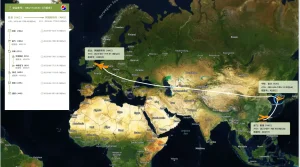
Unlock end-to-end visibility with our trusted tracking platform. We bring proven reliability to both ocean and air cargo tracking, giving you the accurate data and control needed to streamline operations from port to runway.
Contact Our Solutions Team Trackingeyes