Explore our industrial-grade tracking solutions, featuring multi-carrier data engines and next-generation API systems.
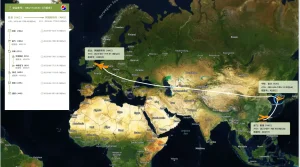
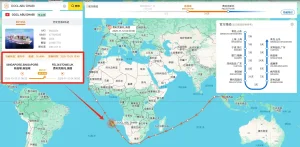
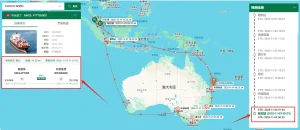
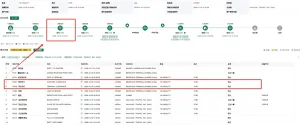
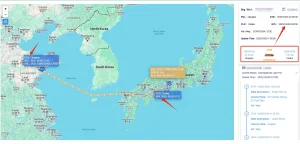
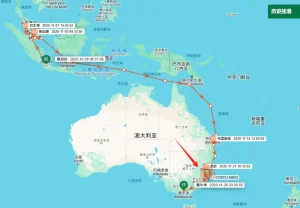
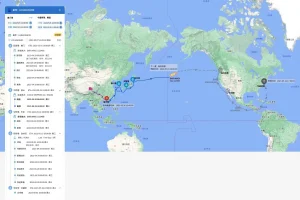
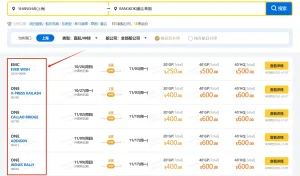
Over 90% of global trade is carried by sea. Yet, ocean freight remains one of the most volatile segments of the supply chain. Port congestion, geopolitical bottlenecks, climate-related canal delays, and complex multi-modal handoffs represent multi-million-dollar operational risks. Historically, tracking sea cargo was limited to carrier-provided EDI status updates that were delayed, inaccurate, or lacked critical detail.
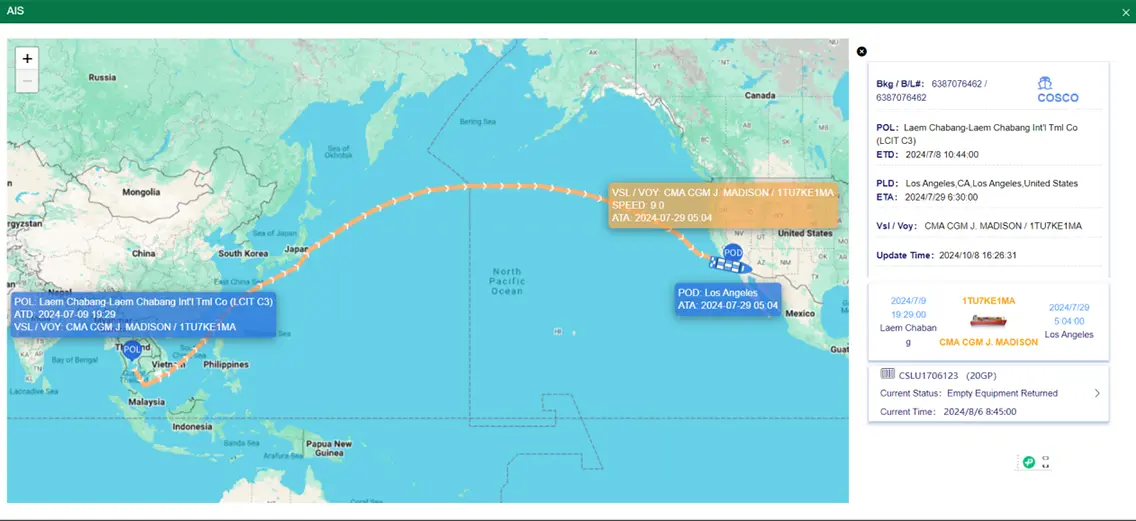
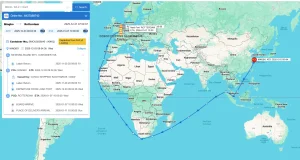
Modern global logistics demands dynamic, multi-source data normalization. A premier sea cargo tracking service integrates terrestrial and satellite AIS (Automatic Identification System), carrier status notifications, and port terminal operating systems (TOS) to reconstruct the container journey in real time. For procurement departments and logistics directors, visibility is no longer just "nice to have"—it is a critical tool to control demurrage, detention, and warehouse resource allocation.
Providing operations managers with actionable intelligence prevents costly operational disruptions.
How state-of-the-art Chinese production ecosystems and software clusters deliver unmatched cost, scale, and integration speed.
China is home to the world's most dense electronics manufacturing hubs in Shenzhen and Guangzhou. Advanced IoT cargo tracking manufacturers produce long-life, solar-assisted transponders equipped with high-sensitivity GPS, temperature, humidity, and shock sensors. Our close integration with manufacturing facilities ensures rapid prototyping, high quality control, and direct-to-port installation capabilities.
Leveraging high-concurrency API architectures developed in Hangzhou and Beijing, Chinese tech hubs design systems to manage millions of concurrent tracking requests. Our specialized software engineering resources keep database maintenance costs lower than in North America or Western Europe, translating to direct cost advantages and high API request limits for our clients.
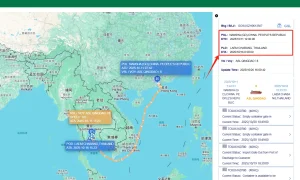
Operating near major global ocean carriers (COSCO, OOCL) allows for direct, low-latency EDI networks and localized testing. Deep industry alignment ensures that updates for vessel departure (ATD), arrival (ATA), and port-in/port-out status are ingested with minimal lag compared to third-party aggregators.
From complex rail interchanges to customs gates, tracking technologies must adapt to regional operational requirements.
The Challenge: Cargo bound for Chicago arriving at Vancouver port requires rapid dispatch to North American rail networks. Standard ocean tracking drops off at port discharge, leaving cargo invisible during intermodal rail transfers.
The Solution: Leveraging our integrated customs and destination tracking API, clients monitor vessel arrival, port discharge, and rail-car yard milestones. Automated notifications alert regional drayage fleets of exact container pickup times, reducing storage fees at inland rail hubs.
The Challenge: The EU's Import Control System 2 (ICS2) demands detailed entry summary declarations before arrival. Missing or delayed documentation leads to penalties and customs delays.
The Solution: The Port Opening Alert & Cut-off tracking module notifies European compliance managers 72 hours before vessel entry, ensuring all documentation is submitted in time. Transporters receive real-time updates as customs statuses transition, streamlining terminal exit times.
Predictive logistics is replacing reactive tracking. Forward-looking enterprises use historical patterns and machine learning to forecast container ETAs rather than relying on carrier estimates.
Our ongoing development focuses on:

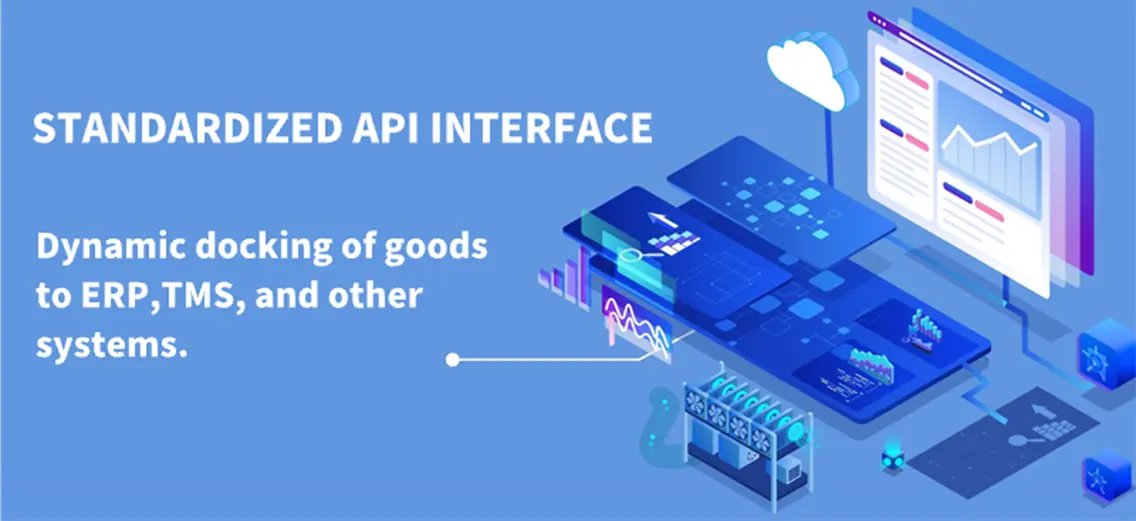
For corporate IT teams and CTOs, choosing a tracking provider goes beyond basic location data. The core requirements focus on system stability, RESTful architecture, and ease of integration into existing ERP systems like SAP or Oracle.
Our solutions offer developer-friendly tools:
Providing global end-to-end logistics tracking and supply chain visualization solutions since 2015.
Founded in 2015, Trackingeyes is a leading provider of global end-to-end logistics tracking and supply chain visualization solutions. With a founding team boasting over ten years of logistics expertise, we deeply understand industry pain points. We specialize in global end-to-end cargo tracking by sea and air, serving thousands of import and export enterprises worldwide. Our services include customizable tracking solutions and open API data interfaces to enhance supply chain visibility and operational efficiency.
The platform achieves full chain data coverage from the source to the terminal through the collection and aggregation of data sources, including logistics information from various data sources such as stations, terminal, customs, shipping companies, and airlines. Through the Trackingeyes’ Platform, customers can quickly connect with hundreds of global data sources, greatly improving the efficiency and intelligence of logistics tracking.

Unlock end-to-end visibility with our trusted tracking platform. We bring proven reliability to both ocean and air cargo tracking, giving you the accurate data and control needed to streamline operations from port to runway.
Contact Us TodayExpert insights into technical, operational, and integration queries regarding global tracking systems.
We aggregate data from multiple channels: satellite and terrestrial AIS receivers, Direct Carrier Integrations (EDI/API), terminal operating system feeds, customs systems, and container-level IoT transponders to ensure complete chain data coverage.
Our predictive algorithms process historical vessel speeds, route congestion, weather conditions, and port turnaround times. This offers dynamic ETA updates that average 30% more accurate than standard carrier schedules.
Yes. We provide standard RESTful JSON APIs and Webhook endpoints that allow developers to map milestones directly to SAP, Oracle, or custom systems.
By monitoring port opening alerts, vessel arrivals, and customs releases, we notify drayage operators when container pickup windows open, helping avoid storage penalties.
Our cross-border last-mile tracking covers major rail interchanges in North America and Europe, bridging the gaps between sea, rail, and road transport.
Yes, we can customize data feeds to include specific regional milestones, environmental telemetry (temperature/humidity), and customized geofence limits.
Optimize your shipping operations with our complete portfolio of maritime visibility services.
 Trackingeyes