Explore our leading-edge hardware and software solutions designed to eliminate supply chain blind spots and optimize global transit operations.
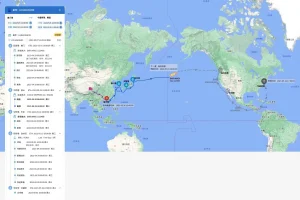
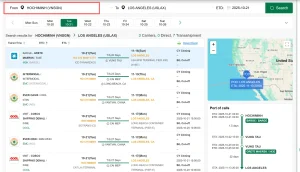
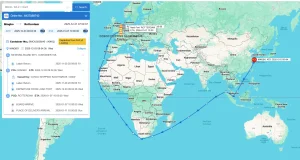
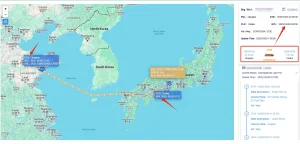
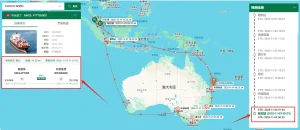
Founded in 2015, Trackingeyes is a leading provider of global end-to-end logistics tracking and supply chain visualization solutions. With a founding team boasting over ten years of logistics expertise, we deeply understand industry pain points. We specialize in global end-to-end cargo tracking by sea and air, serving thousands of import and export enterprises worldwide. Our services include customizable tracking solutions and open API data interfaces to enhance supply chain visibility and operational efficiency.
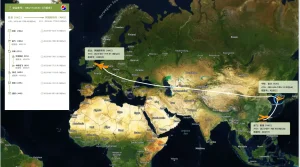
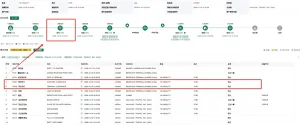
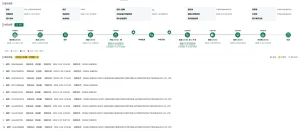
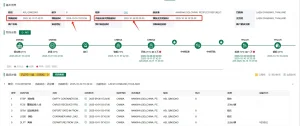
The platform achieves full chain data coverage from the source to the terminal through the collection and aggregation of data sources, including logistics information from various data sources such as stations, terminals, customs, shipping companies, and airlines. Through the Trackingeyes’ Platform, customers can quickly connect with hundreds of global data sources, greatly improving the efficiency and intelligence of logistics tracking.
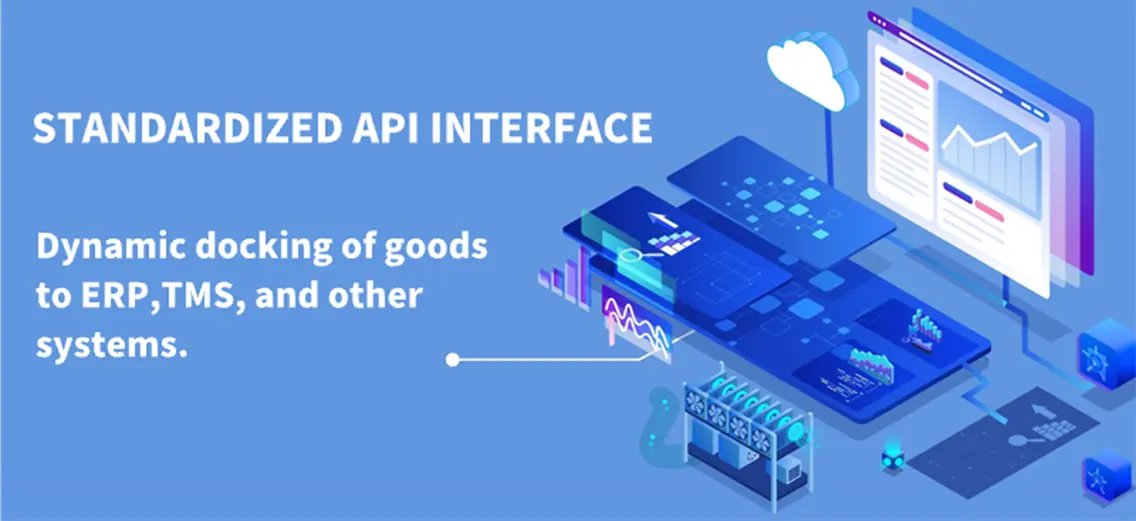
"Through API interface integration, the dynamics of goods can be automatically written back to internal systems and customer service systems of the enterprise, assisting global logistics enterprises, supply chain enterprises, cross-border e-commerce enterprises, software platforms and other enterprises to achieve more efficient and refined goods tracking management, and to do risk control and prediction in advance."

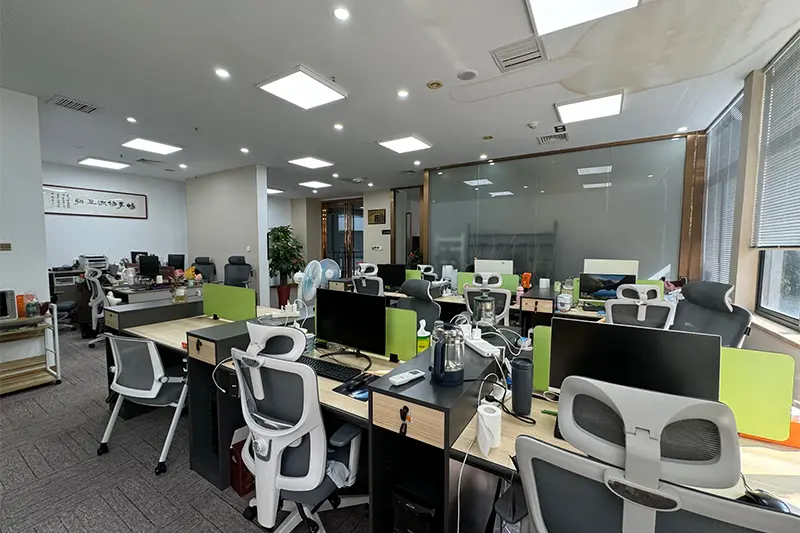

How modern technology is transforming logistics from a black box into a fully transparent, predictive ecosystem.
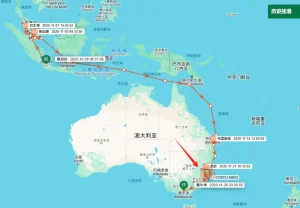
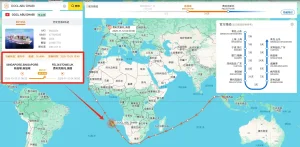
The global logistics landscape is undergoing a paradigm shift. Historically, freight tracking relied on milestone-based updates—static check-ins at major ports or hubs that left massive blind spots during transit. Today, the industry is transitioning toward continuous, real-time visibility driven by the Internet of Things (IoT), Automatic Identification System (AIS) telemetry, and artificial intelligence.
Key trends shaping the future of freight tracking include:
Static schedules are no longer sufficient. By analyzing historical transit routes, weather patterns, port congestion indexes, and real-time vessel speeds, AI engines can predict arrivals with up to 95% accuracy, mitigating the impact of unexpected delays.
Modern supply chains rarely rely on a single mode of transport. Leading tracking solutions now unify ocean, air, rail, and road data into a single pane of glass, standardizing disparate data formats from hundreds of carriers globally.
Legacy EDI systems are being replaced by lightweight, real-time RESTful APIs. This allows enterprises to feed tracking data directly into their internal ERP (Enterprise Resource Planning) and TMS (Transportation Management System) platforms instantly.
Understanding the strategic requirements of modern procurement officers and supply chain directors.
Procurement professionals are no longer just buying logistics services; they are buying information security and operational resilience. When evaluating freight tracking vendors, global enterprises prioritize several non-negotiable criteria:
How the integration of smart manufacturing and intelligent logistics maintains China's competitive edge.
As China transitions to the "Factory 4.0" paradigm, the boundary between manufacturing and logistics is dissolving. Smart factories are no longer isolated production hubs; they are fully integrated nodes within a global digital supply chain.
By leveraging real-time freight tracking solutions, Chinese manufacturers can implement advanced Just-In-Time (JIT) production models. When raw materials are tracked precisely down to the ocean container or air cargo pallet, factory floors can dynamically adjust production schedules based on actual arrival times rather than theoretical lead times.
This integration provides a massive buffer against global disruptions. Whether navigating port congestion in North America or routing around maritime bottlenecks, Factory 4.0 systems utilize predictive logistics data to reroute shipments, pre-clear customs, and secure inland transport capacity before the cargo even arrives at the port of discharge.
Analyzing the macroeconomic impact of supply chain visibility across key global industries.
The modern global economy is highly volatile. Geopolitical tensions, labor shortages, and climate-induced canal restrictions have made supply chain predictability harder to achieve than ever before. In this environment, lack of visibility is a major financial liability.
Industries such as automotive manufacturing, high-value electronics, and perishable retail operate on razor-thin margins where a delay of a few hours can result in millions of dollars in lost revenue or contractual penalties. Consequently, the adoption of advanced vessel tracking, container monitoring, and automated ETA updates has shifted from a competitive advantage to an operational necessity.
By implementing comprehensive tracking protocols, global enterprises can reduce safety stock levels, optimize warehouse labor scheduling, and improve customer satisfaction by providing precise delivery windows.
Real-world use cases demonstrating the power of targeted logistics tracking solutions.
Tracking intermodal containers across vast rail networks requires specialized node-based tracking. Our solutions monitor key rail interchanges, providing alerts when cargo transitions from ocean carriers to rail lines, preventing delays at inland terminals.
Bridging the "Last Mile" requires seamless coordination with customs authorities. By integrating customs clearance status with real-time vessel arrival data, importers can arrange immediate container drayage, avoiding costly storage fees.
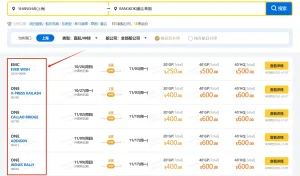
Missing a port opening or cargo cut-off time can delay a shipment by weeks. Automated alerts notify logistics managers of schedule changes, allowing them to expedite trucking and ensure containers are loaded on time.
Expert answers to common technical and operational questions regarding freight tracking.
Discover additional specialized tools, APIs, and services to complete your supply chain visibility toolkit.
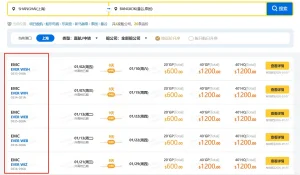
Get in touch with our logistics experts today to discuss custom API integrations, request a platform demo, or receive a tailored quote for your global tracking requirements.
Contact Our Solutions Team Trackingeyes