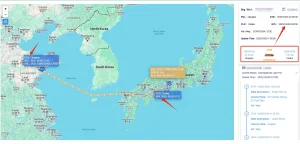
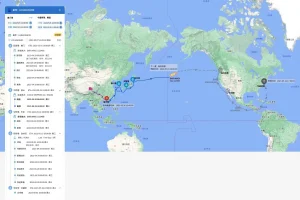
Deploy highly robust data pipelines that streamline global operations, cut delays, and automate your end-to-end supply chain visual analytics.
The global logistics ecosystem is undergoing a dramatic shift from milestone-driven tracking to continuous, real-time cargo observability. In the air freight sector, relying on reactive flight tracking updates is no longer sufficient. High-value cargo, sensitive cold-chain biopharmaceuticals, just-in-time automotive parts, and dynamic e-commerce modules require immediate status updates and proactive risk mitigation. The transition from legacy paper AWBs to the International Air Transport Association's (IATA) e-AWB standard has built the operational foundation for this revolution, enabling over 90% digital compliance across global trade lanes.
Furthermore, IATA’s ONE Record initiative represents the next evolutionary step in logistics data sharing. Instead of sending static data copies down the supply chain via obsolete EDI messaging, ONE Record establishes a single, secure view of the shipment using standardized Web APIs. This semantic model allows shippers, airlines, forwarders, and ground handlers to access real-time status attributes dynamically. In addition, integration with global IoT devices attached to ULDs (Unit Load Devices) provides sensor data on temperature, humidity, shock, and light, transforming traditional Air Waybill tracking into a holistic monitoring service.
Replacing legacy paper documentation with paperless workflows, reducing manual inputs, eliminating compliance errors, and establishing a baseline for immediate data routing.
Machine learning models that analyze airline performance, historical weather conditions, port delays, and custom wait times to generate accurate predictions.
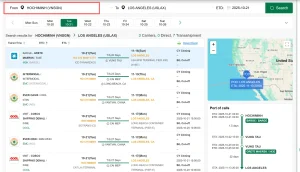
Connecting all links in the chain—ocean container lines, international airlines, domestic rail nodes, and local customs agencies—into a single control panel.
For multinational corporations managing complicated multi-tiered supplier systems, freight visibility software is no longer a luxury—it is a core procurement requirement. Procurement officers now demand software platforms that deliver end-to-end multi-modal visibility. If a shipment relies on an air freight lane, it is often because that shipment is high-value, low-volume, or time-critical. A delay of a single day can translate into millions of dollars in factory downtime or missed retail sales windows.
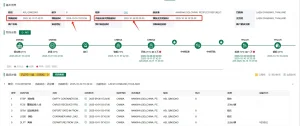
Consequently, current procurement guidelines require tracking systems to integrate directly into internal ERP software systems (such as SAP, Oracle, or Microsoft Dynamics). Shippers need automated notifications when critical milestones are achieved or missed—specifically RCS (Receipt of Shipment), DEP (Departure), RCF (Receipt of Cargo at Arrival Station), and DLV (Delivery). Furthermore, they require deep analytics dashboards to monitor carrier performance against SLA contracts, verify surcharges, and optimize route-planning decisions to lower overall logistics expenditures.
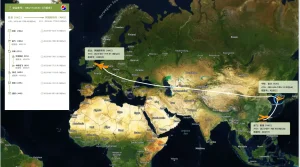
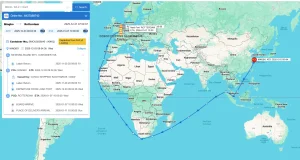
Our globally distributed tracing engine processes millions of logistics events daily, giving you complete clarity over your transcontinental air and sea lanes.
China's industrial landscape has transitioned from high-volume manufacturing to smart, connected factories. Under the "Factory 4.0" paradigm, manufacturing lines in Chinese industrial hubs—ranging from Shenzhen's electronics ecosystem to Shanghai's automotive valleys—operate using highly automated Just-In-Time (JIT) methodologies. These advanced operations require precise coordination with cargo transport systems to ensure raw materials arrive right when they are needed and finished goods leave the factory floor immediately for export.
This level of precision is why tracking systems must link manufacturing ERP platforms directly to global transport nodes. By monitoring flight plans, local road traffic, export customs clearances, and warehouse processing times, factories can schedule work runs dynamically. If an air cargo carrier is delayed at a hub like Shanghai Pudong (PVG) or Shenzhen Bao'an (SZX), the factory's ERP can adjust operations in real time, avoiding unnecessary inventory build-ups. This connectivity gives global buyers confidence that their offshore production lines will remain resilient even during global supply chain challenges.
Founded in 2015, Trackingeyes is a leading provider of global end-to-end logistics tracking and supply chain visualization solutions. With a founding team boasting over ten years of logistics expertise, we deeply understand industry pain points. We specialize in global end-to-end cargo tracking by sea and air, serving thousands of import and export enterprises worldwide. Our services include customizable tracking solutions and open API data interfaces to enhance supply chain visibility and operational efficiency.
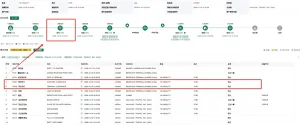
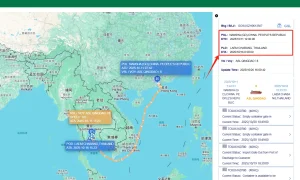
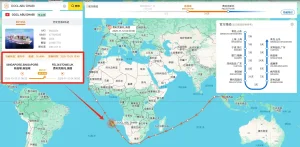
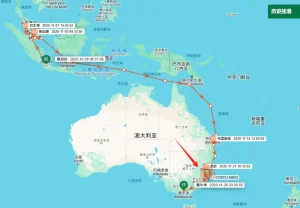
The platform achieves full chain data coverage from the source to the terminal through the collection and aggregation of data sources, including logistics information from various data sources such as stations, terminal, customs, shipping companies, and airlines. Through the Trackingeyes’ Platform, customers can quickly connect with hundreds of global data sources, greatly improving the efficiency and intelligence of logistics tracking.
Trackingeyes: Reliable Ocean & Air Cargo Tracking for a Smoother Supply Chain.
Unlock end-to-end visibility with our trusted tracking platform. We bring proven reliability to both ocean and air cargo tracking, giving you the accurate data and control needed to streamline operations from port to runway.



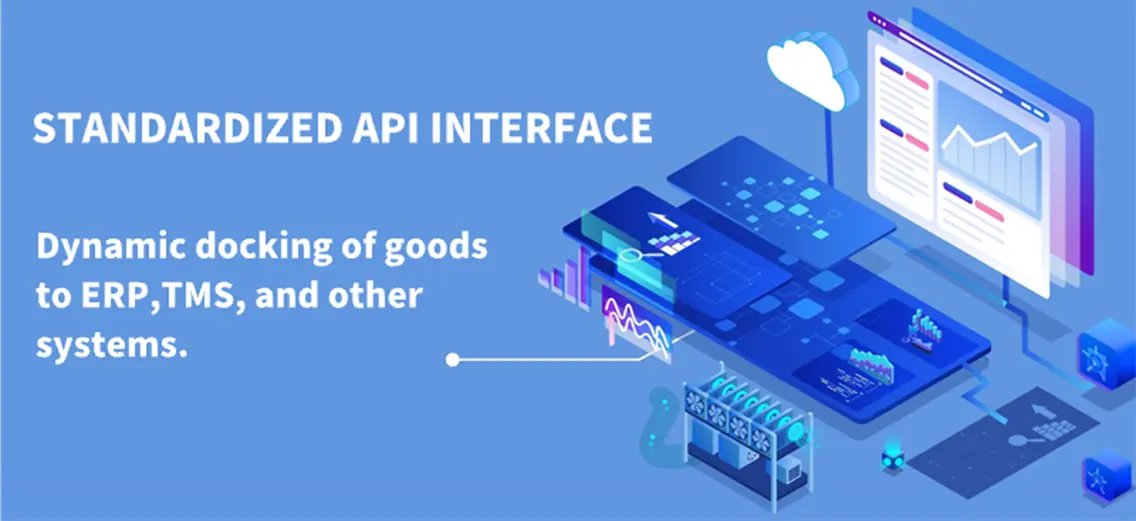
Through API interface integration, the dynamics of goods can be automatically written back to internal systems and customer service systems of the enterprise, assisting global logistics enterprises, supply chain enterprises, cross-border e-commerce enterprises, software platforms and other enterprises to achieve more efficient and refined goods tracking management, and to do risk control and prediction in advance.
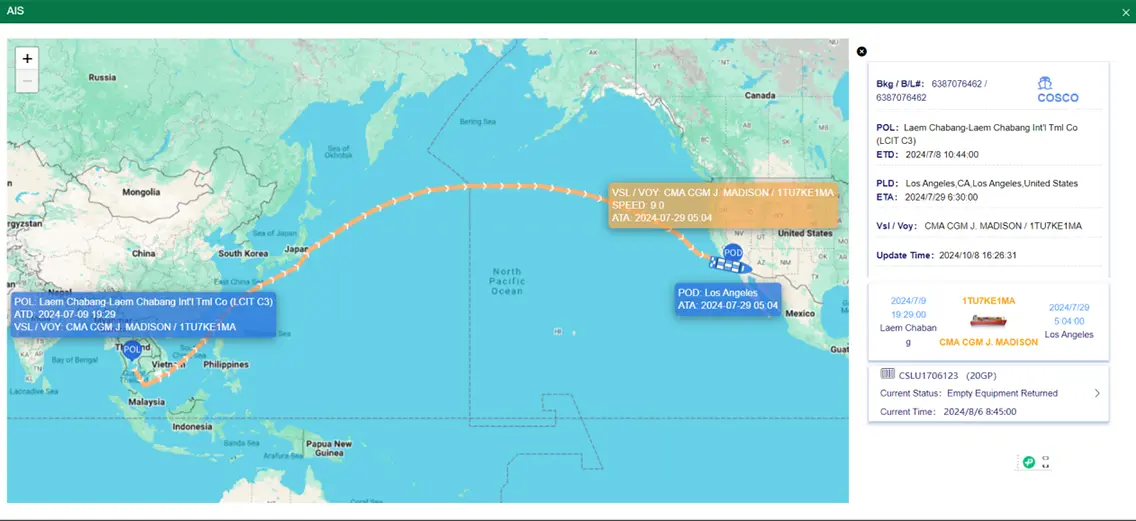
To demonstrate the impact of unified multi-modal tracking, let's explore three localized application scenarios where Trackingeyes helps businesses optimize their logistics workflows:
A fast-fashion e-commerce platform shipping goods from factories in Southern China to buyers in North America used our API to automate tracking. By integrating China Integration of Customs and Destination Services, they linked AWB milestones to local courier systems, reducing "Where is my order?" (WISMO) support queries by 42%.
A major European auto manufacturer relying on parts from Asia integrated our Air Freight Data API. When flights were delayed by weather, the factory's ERP received instant updates, allowing them to shift production lines to alternative models and avoid costly factory idle time.
A global medical logistics supplier used our real-time tracking to monitor sensitive vaccine shipments. Combining AWB milestone data with ULD temperature sensors helped them intervene during transit bottlenecks, ensuring safe deliveries and full regulatory compliance.
Find answers to common questions about Air Waybill tracking, multi-modal APIs, and supply chain visibility platforms.
Connect to our specialized tracking modules to monitor air networks, ocean vessels, container assets, and inland rail transport.
 Trackingeyes