Deploy robust integration frameworks directly into your TMS/ERP with our high-frequency data streaming platforms.
Modern global logistics requires millisecond-level transparency to dynamic supply chain events. In this paradigm, 716 Cargo Tracking Services represent a robust convergence of IoT telematics, geofenced port event logs, and dynamic customs API integrations. This whitepaper analyzes the mechanical infrastructure, market pricing structures, and localized applications enabling high-gain operations across global trade corridors.
Industrial supply chains are navigating structural disruptions, from volatile maritime corridors to terminal choke points. Legacy tracking tools fail to account for carrier-agnostic transshipment delays, creating significant blind spots for multi-national procurement teams.
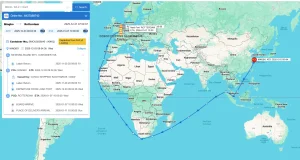
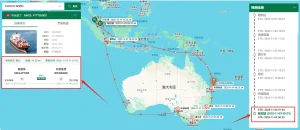
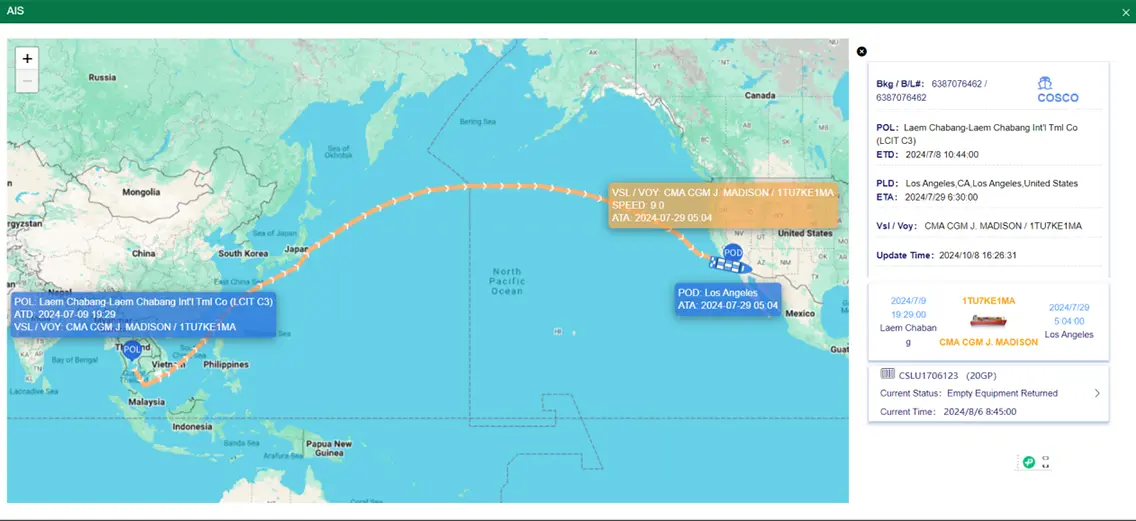
Modern AIS (Automatic Identification System) combines satellite tracking with dense networks of terrestrial receivers. By consolidating global vessel signals with terminal milestones, enterprises gain granular cargo oversight independent of carrier-reported benchmarks.
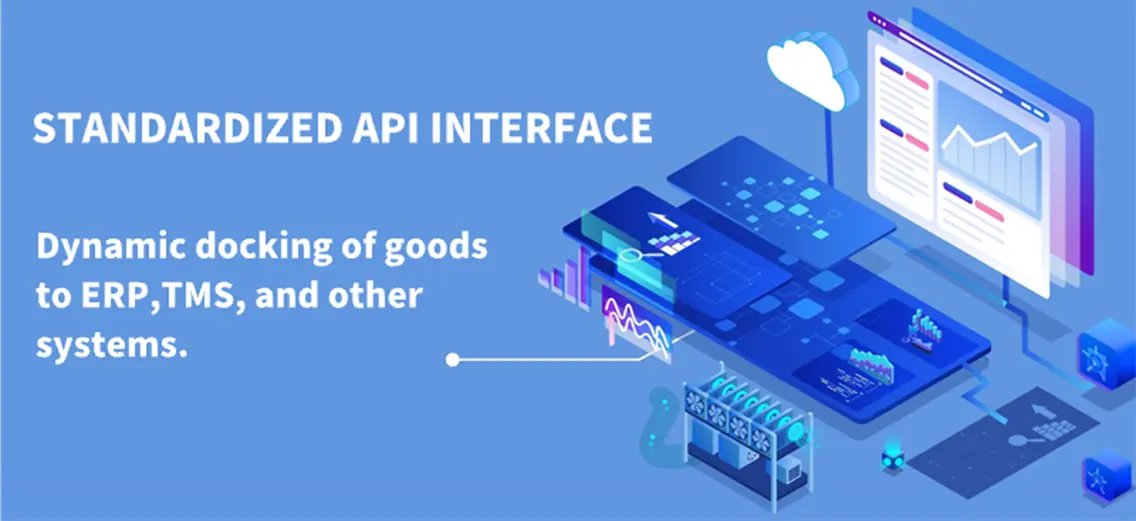
By leveraging standardized API structures, organizations minimize manual tracking tasks, reduce expensive demurrage/detention costs, and automatically trigger downline logistics events without human latency.
Decoupling raw telemetric streams from administrative updates to provide authoritative visibility.
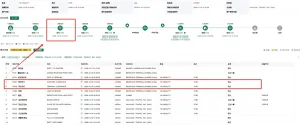
At the center of contemporary supply chain solutions lies the aggregation of heterogeneous tracking vectors. Traditional container tracking models relied solely on carrier status updates (e.g., container gate-out, vessel departure, gate-in), which are notoriously delayed, fragmented, or error-prone. The 716 Cargo Tracking Service breaks this data isolation by merging disparate streams into a unified visual data set.
This integration involves three primary layers:
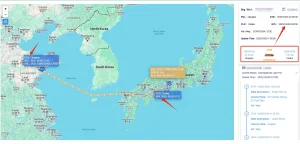
Figure 1.0: Real-time JSON API data interface structure for container ETA forecasting.
Why structural proximity to Chinese manufacturing gates is vital for international logistics stability.
By connecting with Chinese export ports (Ningbo-Zhoushan, Shanghai, Shenzhen), our systems register cargo immediately upon factory gate-out, reducing documentation cycle times and facilitating pre-clearance processes at destination ports.
China's dense industrial corridors feature interconnected components suppliers, packing centers, and freight depots. This ecosystem demands tracking solutions that begin inside the production line before cargo reaches container depots.
Combining domestic road freight networks with automated air and ocean vessel scheduling APIs enables accurate coordination, eliminating idle dock time and reducing storage container costs.
Transparent, high-frequency data structures designed to fit scalable enterprise operating models.
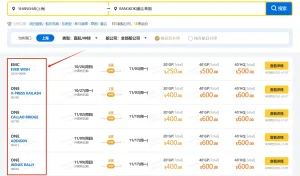
Data transmission needs differ based on business scale. While standard freight forwarders require daily status checks, high-volume trading platforms require low-latency webhooks. Our transparent pricing structure accommodates both approaches:
| Service Tier | Data Updates Frequency | Monthly API Queries | Primary Intended Use Cases | Standard Rate (USD) | Discount Price (USD) |
|---|---|---|---|---|---|
| Standard Logistics API | Every 12 Hours | Up to 50,000 | Regional logistics operators, small/medium e-commerce portals. | $499 / mo | $299 / mo |
| Professional AIS Integrated | Every 3 Hours | Up to 250,000 | Medium-sized freight forwarders, high-turnover retailers. | $1,299 / mo | $899 / mo |
| Enterprise Predictive Engine | Real-Time Webhooks (15m delay) | Unlimited API Requests | Global ERP integration, multi-national supply chain networks. | $3,500 / mo | $2,450 / mo |
| Custom Solutions (Ad-hoc) | On-Demand Queries | Pay-per-request | Software developers, targeted analytics, special maritime audits. | $0.15 / query | $0.09 / query |
Note on Discounts: Promotional high-volume API access rates apply for annual commitments signed in 2025. Contact our integration specialists for customized enterprise quotes.
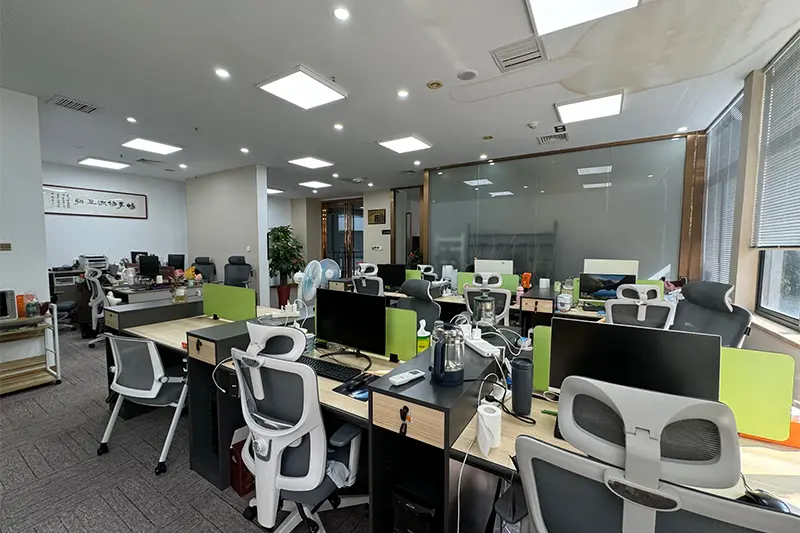
Founded in 2015, Trackingeyes is a leading provider of global end-to-end logistics tracking and supply chain visualization solutions. With a founding team boasting over ten years of logistics expertise, we deeply understand industry pain points. We specialize in global end-to-end cargo tracking by sea and air, serving thousands of import and export enterprises worldwide. Our services include customizable tracking solutions and open API data interfaces to enhance supply chain visibility and operational efficiency.
The platform achieves full chain data coverage from the source to the terminal through the collection and aggregation of data sources, including logistics information from various data sources such as stations, terminal, customs, shipping companies, and airlines. Through the Trackingeyes’ Platform, customers can quickly connect with hundreds of global data sources, greatly improving the efficiency and intelligence of logistics tracking.
"Through API interface integration, the dynamics of goods can be automatically written back to internal systems and customer service systems of the enterprise, assisting global logistics enterprises, supply chain enterprises, cross-border e-commerce enterprises, software platforms and other enterprises to achieve more efficient and refined goods tracking management, and to do risk control and prediction in advance."


Consolidating disparate global maritime and aviation pipelines into a high-performance network.
Key themes shaping the future of global supply chains through 2025 and beyond.
Traditional milestones are reported after an event occurs. Geofencing uses automated spatial tracking vectors around major maritime nodes (such as the Port of Long Beach, Port of Rotterdam, or Shanghai Harbor). The moment a container ship crosses a virtual boundary, the system records it, bypassing delays in carrier database processing.
By processing historic vessel trajectories, weather patterns, and terminal congestion indexes, AI models predict real-time deviations. This helps shippers anticipate delays up to 10 days in advance, allowing them to adjust downline trucking networks and minimize destination demurrage fees.
Cargo logistics is rarely limited to ocean lanes. Modern logistics flows require tracking inland rail nodes (such as North American rail terminals) and intermodal trucking systems. A single platform that integrates customs release milestones with rail carriage locations represents the standard for supply chain orchestration.
By automating ETA tracking and alerting destination teams of delays, companies can reduce container storage fees by up to 22% and improve dispatch reliability for their distribution center fleets.
Essential questions regarding integration, custom setups, and pricing models.
Select from our range of technical tracking solutions to optimize your supply chain operations.
 Trackingeyes