Deploy industry-leading solutions designed to increase end-to-end container visibility, automate sailing API integrations, and mitigate costly logistics delays.
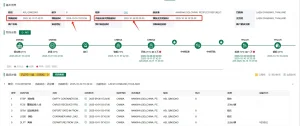
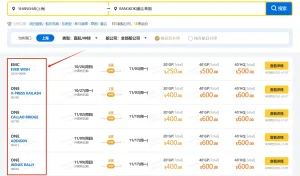
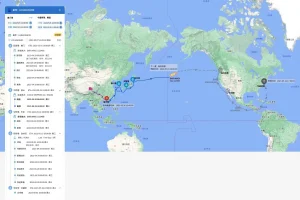
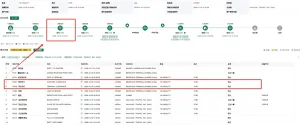
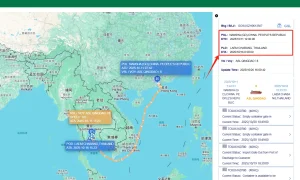
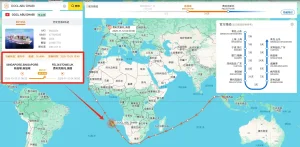
Founded in 2015, Trackingeyes is a leading provider of global end-to-end logistics tracking and supply chain visualization solutions. With a founding team boasting over ten years of logistics expertise, we deeply understand industry pain points. We specialize in global end-to-end cargo tracking by sea and air, serving thousands of import and export enterprises worldwide.
Our platform achieves full chain data coverage from the source to the terminal through the collection and aggregation of data sources, including logistics information from various data sources such as stations, terminal, customs, shipping companies, and airlines. Through the Trackingeyes’ Platform, customers can quickly connect with hundreds of global data sources, greatly improving the efficiency and intelligence of logistics tracking.
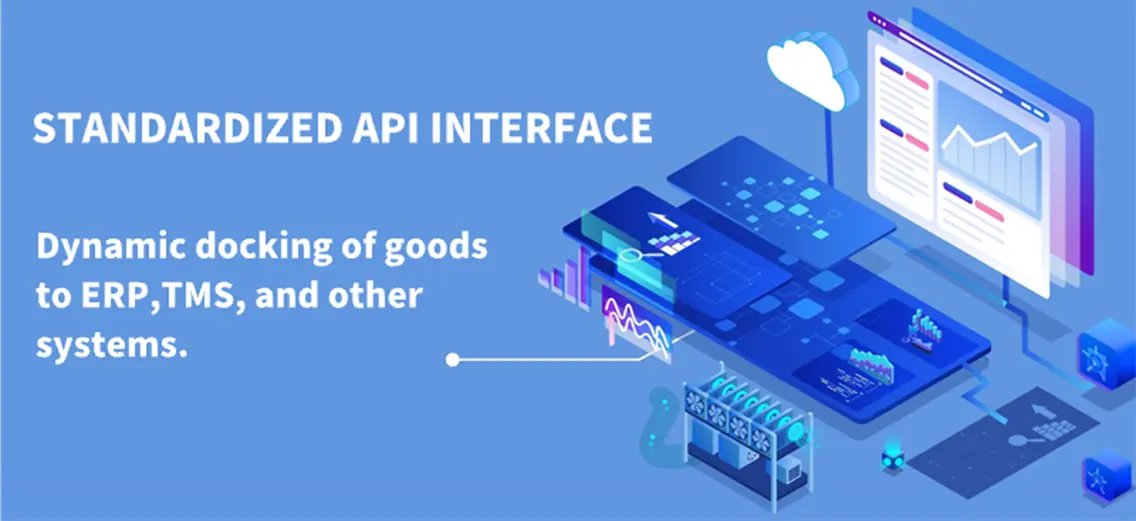
Our services include customizable tracking solutions and open API data interfaces to enhance supply chain visibility and operational efficiency. Through API interface integration, the dynamics of goods can be automatically written back to internal systems and customer service systems of the enterprise, assisting global logistics enterprises, supply chain enterprises, cross-border e-commerce enterprises, software platforms and other enterprises to achieve more efficient and refined goods tracking management, and to do risk control and prediction in advance.

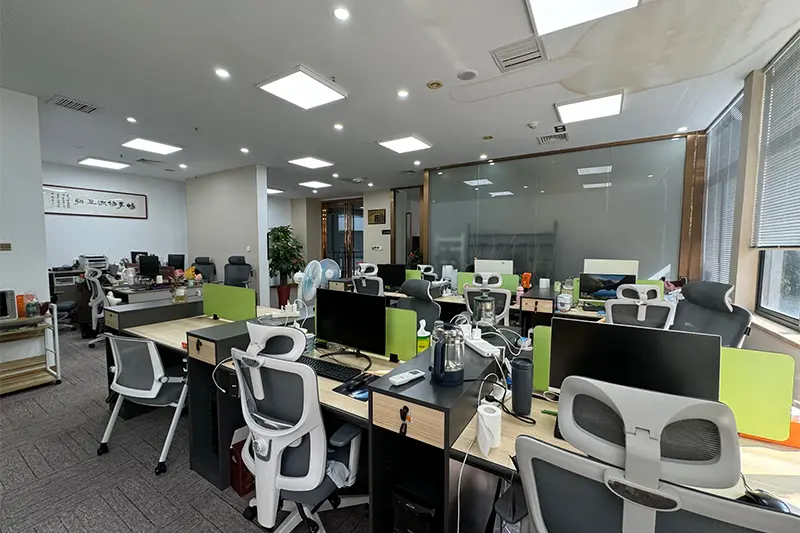

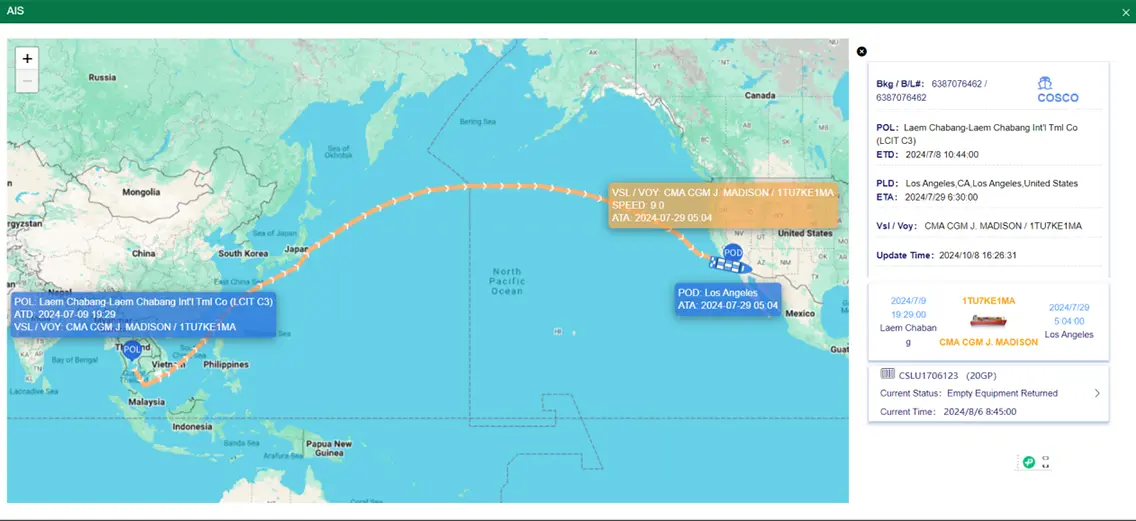
As manufacturing moves further into the age of Industry 4.0, tracking is no longer just about knowing where a container is after it leaves the port. Modern logistics demands real-time tracking data that links directly back to the production floor. By integrating digital tracking systems directly with China's top Factory 4.0 systems, manufacturers can dynamic-match their production pipelines with oceanic shipping availabilities.
Our solutions provide tracking synchronization that links components from the manufacturing line straight to the final logistics nodes. With smart ETA predictions and automated container tracking, multinational enterprises can drastically cut down on safety stock margins, reduce port warehouse fees, and bypass destination pick-up failures that commonly occur during periods of extreme global port congestion.
Explore our technical roadmap outlining how we harness artificial intelligence, IoT, and global telemetry data to secure maritime and air logistics lanes.
Our ML engines process historical vessel paths, seasonal weather metrics, and real-time port berth schedules to predict delays up to 10 days in advance, lowering ATA discrepancies by 40%.
Seamlessly interface ocean vessel AIS coordinates, rail node status codes, and global air freight tracking metrics directly into your corporate ERP system via our low-latency APIs.
Enterprise logistics data is fully protected. Our APIs conform strictly to GDPR, CCPA, and ISO 27001 standards, providing geo-redundancy and high-availability endpoints.
Authoritative Analysis for Supply Chain Executives
Historically, global logistics relied on EDI (Electronic Data Interchange) standard messages like EDI 315 or EDI 214. These status updates merely notified importers that a container was "loaded" or "discharged." In the modern era of logistics complexity, this sparse model fails. Supply chain managers require persistent telemetry, real-time geofencing, and automated sailing adjustments. The integration of AIS (Automatic Identification System) vessel telemetry with port infrastructure alerts allows for hyper-accurate port opening and cut-off predictions, allowing businesses to adjust drayage routing dynamically.
For global procurement officers, managing total cost of ownership (TCO) means accounting for demurrage and detention (D&D) charges. When cargo pick-up failure happens at destination ports due to missing custom documents or carrier schedule slips, daily fees can spiral into thousands of dollars. Having a dedicated 112 Cargo Tracking setup allows companies to coordinate customs clearance, destination warehousing, and last-mile operations days before the ship arrives at the port of discharge. It provides manufacturers with the leverage to bargain for better carrier rates based on verified schedule reliability statistics.
An efficient logistics system does not exist in a silo. ERP upgrades are building visual engines for ocean and air operations that process millions of records daily. A scalable tracking architecture must ingest telemetry from divergent sources: satellite and terrestrial AIS networks, global customs APIs, airport GHA (Ground Handling Agent) databases, and rail terminal tracking portals. Incorporating these into a unified API allows legacy systems (like SAP, Oracle, or customized TMS platforms) to display a single pane of glass, enabling customer support teams to manage risks proactively and keep consignees fully informed.
Global commerce routes pass through highly diverse legal jurisdictions. Sourcing from East Asia, navigating trans-pacific trade lanes, clearing customs at European hubs, and managing destination trucking in North America requires localized support structures. Compliance with security filing rules (like US ISF 10+2, European ICS2, or China Customs manifest rules) is built directly into our tracking nodes. By ensuring data security and regulatory compliance, Trackingeyes acts as the bridge between international suppliers, global forwarders, and domestic consignees.
Find answers to frequently asked technical and commercial questions about Trackingeyes API integration and 112 Cargo Tracking solutions.
It refers to the standardized logistics status milestone framework (including EDI status codes and GPS geofencing nodes) designed to give logistics teams real-time container visibility at key transition points throughout the supply chain.
Our API uses standard RESTful JSON protocols, making it compatible with major enterprise systems like SAP, Oracle, and Microsoft Dynamics. The system updates ETA and ATA parameters automatically without manual data entry.
Our AI-based modeling predicts vessel arrivals by processing satellite AIS data and port queues, alerting companies ahead of time to arrange custom paperwork and coordinate destination drayage services.
Yes, our architecture supports custom rules engine integrations. This lets you setup automated warnings for custom status updates, port demurrage windows, and local delivery milestones.
Connect with our engineering specialists today to receive custom integration documentation, API keys, and comprehensive quotes tailored to your business needs.
Contact UsBrowse our full range of API tracking tools, AI-powered schedule predictors, and enterprise ERP visualization extensions.
 Trackingeyes