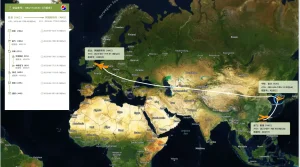
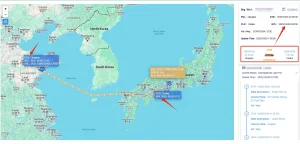
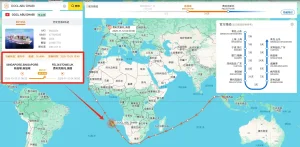
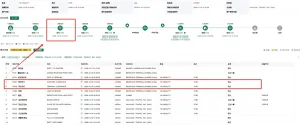
Discover our primary selection of tracking APIs, container status alerts, and integrated ERP systems optimized for global shipping hubs.
Founded in 2015, Trackingeyes is a leading provider of global end-to-end logistics tracking and supply chain visualization solutions. With a founding team boasting over ten years of logistics expertise, we deeply understand industry pain points. We specialize in global end-to-end cargo tracking by sea and air, serving thousands of import and export enterprises worldwide. Our services include customizable tracking solutions and open API data interfaces to enhance supply chain visibility and operational efficiency.
Our enterprise platform achieves full chain data coverage from the source to the terminal through the collection and aggregation of data sources, including logistics information from various data sources such as stations, terminals, customs, shipping companies, and airlines. Through the Trackingeyes’ Platform, customers can quickly connect with hundreds of global data sources, greatly improving the efficiency and intelligence of logistics tracking.



How modern supply chain management optimizes cross-border operations through centralized tracking infrastructures
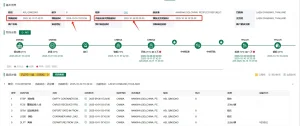
Global trade is increasingly vulnerable to structural delays, canal blockages, and terminal capacity bottlenecks. Shippers struggle to accurately forecast container release times. Real-time milestones and automated port opening alerts significantly reduce demurrage and detention charges.
Legacy logistics software platforms operate in silos. Today’s commercial enterprise requires open RESTful API integrations that automatically push ocean and air milestones directly back to internal ERPs, SAP modules, and CRM dashboards.
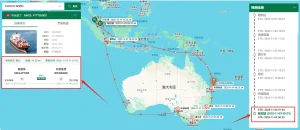
Traditional ETA values rely entirely on carrier schedules, which are frequently subject to unannounced roll-overs and route deviations. Integrating machine learning algorithms over historical AIS trajectory data provides independent and objective ETA projections.
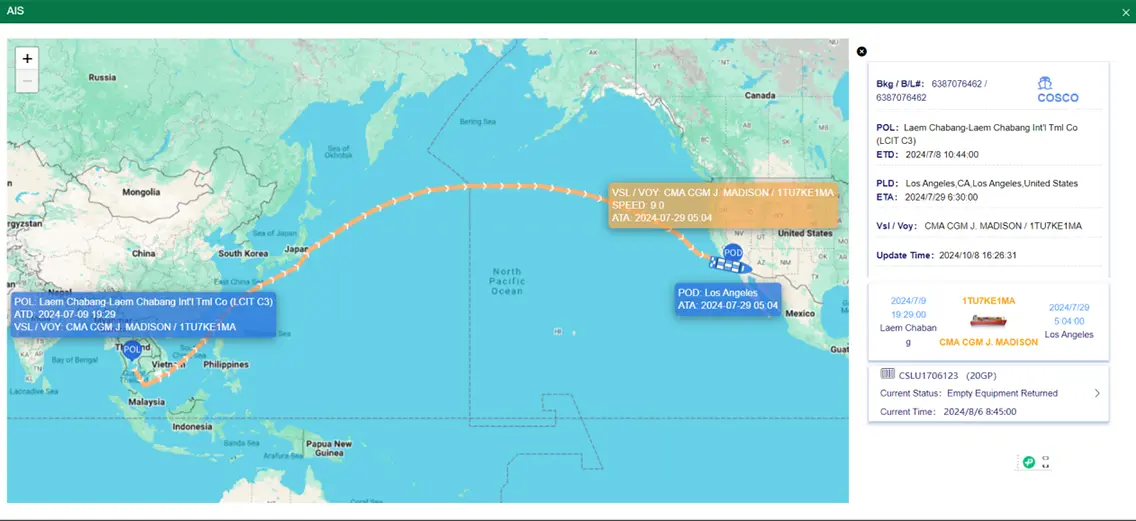
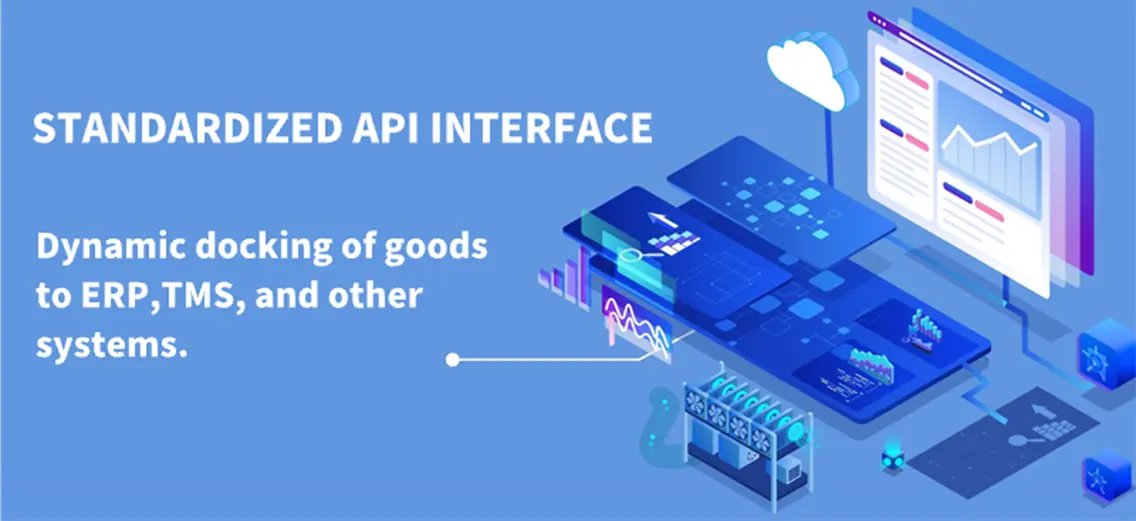
Through API interface integration, the dynamics of goods can be automatically written back to internal systems and customer service systems of the enterprise, assisting global logistics enterprises, supply chain enterprises, cross-border e-commerce enterprises, software platforms and other enterprises to achieve more efficient and refined goods tracking management.
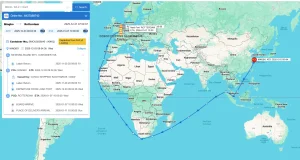
Unlock end-to-end visibility with our trusted tracking platform. We bring proven reliability to both ocean and air cargo tracking, giving you the accurate data and control needed to streamline operations from port to runway, avoiding unexpected cargo pick-up failure.
Staying ahead of the technology curve in global cargo tracking management
The industry is shifting from purely event-based milestones to continuous telemetry. High-value cargo demands real-time monitoring of shock, tilt, temperature, and door-opening actions, combined with traditional spatial data.
Using machine learning engines to crunch thousands of past maritime and air cargo journeys, weather patterns, and terminal dwell times to construct a realistic model for arrival times.
Modern enterprise workflows unify customs clearances, transshipment hubs, and cross-border domestic delivery into a single data standard to prevent cargo from getting stranded at port custom borders.
Operational use cases where real-time tracking provides measurable cost reductions
Intermodal logistics in North America relies heavily on extensive rail corridors. Integrating real-time milestone trackers at major rail gateways (like Chicago, Memphis, and Dallas) prevents containers from sitting unnoticed in railyards, reducing drayage delay costs and optimizing supply chain loops.
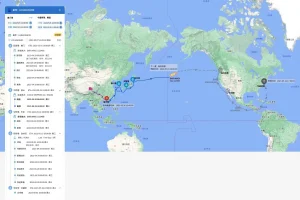
When shipping from major Chinese manufacturing hubs to the U.S. West Coast, shippers face strict cut-off times. Utilizing automated cut-off alerts allows manufacturers to monitor vessel sailing schedule shifts, dynamically adjusting container gate-in sequences to avoid heavy manifest penalties.
The final step of the container journey is often the most complex. By integrating automated customs clearance notices with destination delivery dispatch schedules, importers ensure that cargo is picked up immediately after release, resolving the problem of cargo pick-up failures at destination ports due to communication gaps.
How our ingestion systems clean, parse, and output reliable shipment milestones
We interface with global container terminal operators, AIS sat receivers, commercial flight paths, and railroad APIs. Standardizing raw EDI and JSON responses into a single, clean tracking standard.
A dedicated machine learning engine compares current progress with a historical record of over 50,000 global maritime journeys, filtering out erroneous carrier updates to deliver realistic ETA forecasts.
A scalable developer environment built to handle heavy webhook payloads. Notifying your TMS or customer service dashboard instantly when containers pass crucial geographic barriers.
Transparent models scaled to fit regional logistics firms and multi-billion dollar manufacturing leaders
Perfect for businesses needing clean dashboard access with standard carrier tracking features.
Designed for seamless ERP hookups, logistics software platforms, and customs broker portals.
For global giants requiring custom networks, dedicated servers, and customized data sources.
Resolving key structural questions regarding API integrations, coverage limits, and tracking precision
Advanced API integration options, automated containers alerts, and real-time vessel monitoring tools.
 Trackingeyes