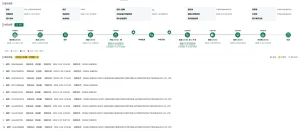
Explore our leading software endpoints and tracking utilities optimized for global digital supply chains.
Founded in 2015, Trackingeyes is a leading provider of global end-to-end logistics tracking and supply chain visualization solutions. With a founding team boasting over ten years of deep logistics expertise, we understand complex industry pain points. We specialize in global end-to-end cargo tracking by sea and air, serving thousands of import and export enterprises worldwide.
Our platform achieves full-chain data coverage from source to terminal through the aggregation of logistics information from various data sources, including ports, rail terminals, customs, shipping lines, and commercial airlines. Through the Trackingeyes Platform, customers can quickly connect with hundreds of global data sources, greatly improving logistics operations' transparency, efficiency, and overall intelligence.



Understanding critical requirements for enterprise supply chain visibility and data automation.
In the modern, highly disrupted landscape of global trade, procurement officers, CIOs, and logistics directors look for more than just raw milestones. They require deep system integration capable of streamlining data direct to ERP databases. The procurement of a Global Tracking API relies heavily on several key metrics: SLA reliability, data hygiene, integration ease, and actionable alerting. Businesses cannot afford stale data when demurrage and detention fees accrue at destination ports.
Our research into global logistics pain points indicates that the top 5 requirements during enterprise software evaluations are:
Real-time AIS tracking and global satellite feeds ensure updates occur within minutes of position changes, minimizing reporting lag.
Clean developer interfaces with well-documented APIs reduce the average software integration cycle from months down to a few days.
Global corporations require guaranteed uptime thresholds (99.9%+) and robust fallback systems to prevent disruption to internal ERPs.
Empowering global freight operators, importers, and cross-border digital platforms with scalable intelligence.
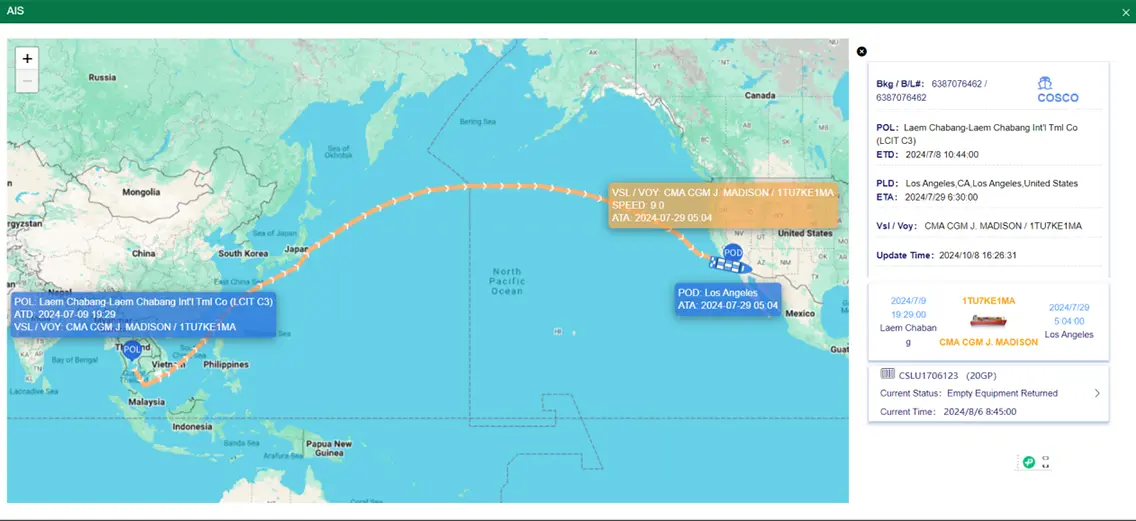
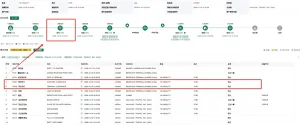
By automating the write-back of cargo milestones, organizations remove manual container lookup processes. Instead, the Trackingeyes API monitors container status changes 24/7. When a vessel enters a geofenced area near a destination terminal, our system instantly triggers event alerts, letting drayage operators schedule pickups well in advance.
This macro-level predictive planning translates directly to decreased port storage fees, minimized demurrage exposure, and happier customers. Our systems bridge the data gaps between maritime carriers, port terminals, customs agencies, and last-mile trucking partners, enabling a seamless handoff of goods.
While ocean freight is the backbone of global volume, air freight handles high-value, time-critical inventory. Our Air Freight Data API connects directly with global IATA airlines, providing instant Air Waybill (AWB) telemetry updates.
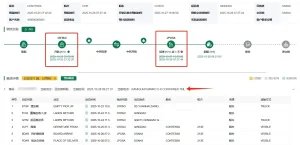
By monitoring actual time of departure (ATD), actual time of arrival (ATA), flight status updates, customs releases, and cargo handling steps at airports, import-export companies can optimize dynamic scheduling and coordinate urgent cargo distributions, reducing transit friction on high-value electronic components, pharmaceuticals, and perishables.
How we utilize advanced machine learning algorithms to transition from reactive tracking to proactive logistics forecasting.
Supply chain visibility is rapidly evolving. Traditional systems relied on manual container status queries that only showed where a box was, not where it was likely to experience delays. Trackingeyes is building a predictive supply chain ecosystem powered by Artificial Intelligence and machine learning models trained on millions of historical voyages and maritime routes.
Our technology roadmap centers around three primary development tracks designed to deliver significant information gain to our subscribers:
By computing variables like seasonal weather trends, current port congestion indexes, historical vessel speed curves, and terminal dwell times, our AI calculates highly accurate ETA updates that regularly outperform traditional carrier projections by up to 48 hours.
Our platform maps polygon coordinate boundaries around major global terminals, canal zones, and anchorage sites. Automatic webhooks trigger when ships enter or exit these coordinates, giving logistics operators instant access to port operation metrics.
By aggregating historical port strike logs, customs delays, and container release bottlenecks, the API generates a reliable risk index rating for upcoming shipments, allowing managers to reroute inventory proactively.
Mitigating macro challenges through end-to-end multi-modal data consolidation.
In the wake of shifting geopolitical landscapes, rerouting of maritime assets around the Cape of Good Hope, water restrictions in the Panama Canal, and volatile port productivity, supply chains must build resilience. Organizations can no longer manage operations using fragmented milestone spreadsheets.
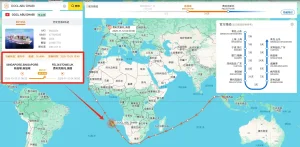
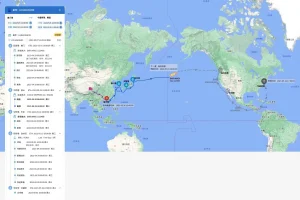
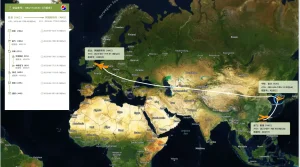
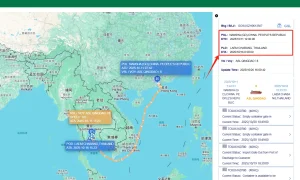
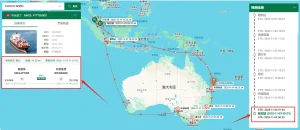
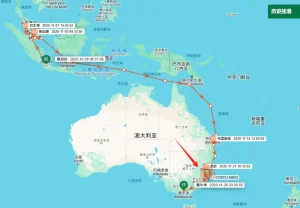
Integrating North American rail systems with Pacific maritime schedules, European truck hubs, and domestic customs declarations is essential for end-to-end container monitoring. By leveraging visual AIS vessel tracking, logistics teams can observe global shipping movements in real time. Rather than relying on estimated schedules, companies use automated data feeds to track actual cargo progress across all transportation modes.
Meeting rigorous data security, localized residency, and operational compliance requirements.
We process all operational telemetry, container serial numbers, and shipment routing information in strict compliance with GDPR and CCPA regulations. Data transmission is secured using standard TLS encryption, and we maintain secure API credentialing to prevent unauthorized system access.
We provide localized technical assistance across key shipping hubs in Asia, Europe, and the Americas. Our engineering team assists developers with API integration, schema mapping, and performance optimization, ensuring reliable system connectivity.
Get answers to common developer queries regarding Trackingeyes data integration, AIS tracking capabilities, and AI predictions.
Our AI engine analyzes real-time satellite and terrestrial AIS position updates, historical vessel transit times, port congestion levels, current marine weather forecasts, and route changes to generate dynamic ETA projections, often outperforming traditional carrier estimates.
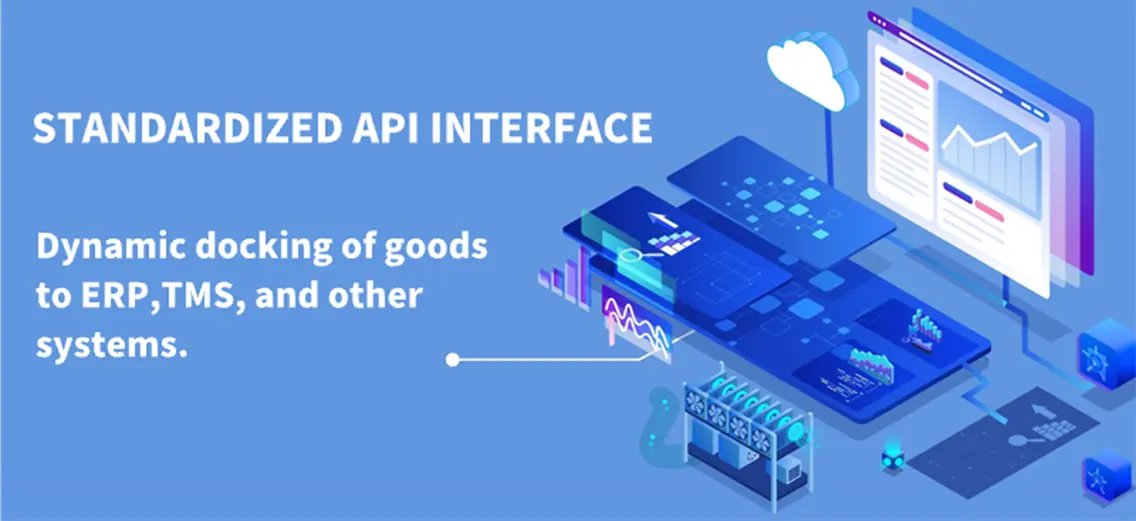
Yes, our open API provides standardized JSON outputs and webhook services, making it easy to integrate with ERP and warehouse management systems like SAP, Oracle, Microsoft Dynamics, and custom software setups.
We collect and consolidate data from ocean carriers, air carriers, terrestrial and satellite AIS networks, customs databases, terminal operators, and rail networks to provide end-to-end transit visibility.
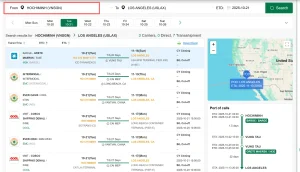
Our system monitors terminal gate activity and schedules, sending alerts as port opening and container cut-off times change. This allows drayage operators to coordinate container drops and pickups within free-time windows to prevent extra fees.
Yes, our tracking tool handles multimodal movements, including container transitions from ocean vessels to rail carriers across major networks like North American rail nodes and European rail connections.
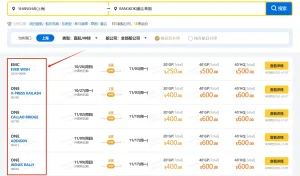
Review additional API endpoints, schedules, and vessel tracking tools designed to enhance supply chain operations.
 Trackingeyes