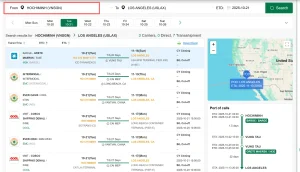
Integrate real-time operational datasets, cut-off tracking protocols, and predictive schedules directly into your enterprise ERP routing system.
Pioneering the paradigm of Global Logistics Intelligence and Supply Chain Orchestration since 2015.
Founded in 2015, Trackingeyes has evolved into a premier developer of global end-to-end logistics visualization layers. Built on over a decade of domain expertise in maritime and aviation logistics, the platform bridges the data gap between global ocean vessels, port terminal operating systems (TOS), air cargo hubs, and enterprise ERP backbones.
Our infrastructure solves critical visibility breakdowns, such as real-time transshipment tracking gaps, incorrect AIS predictions, container detention fees, and carrier milestones latency. Through customizable API layers, we help businesses transition from chaotic reactive logistics to a proactive model, ensuring absolute supply chain integrity.


Global shipping has entered an era of structural uncertainty. Fluctuating bunker costs, port capacity limitations, environmental compliance measures (such as IMO 2023/2024 carbon indexes), and geopolitical blockades have transformed ocean freight from a stable service to an unpredictable variable. Historically, cargo tracking relied on standard EDI milestones (Status Events: Gate-In, Loaded, Vessel Departure). These events offer backward-looking data, leaving import-export managers blind when vessels sit idle outside ports or change routing plans mid-transit.
Modern procurement demands Real-time Predictive Analytics. By combining satellite AIS data streams, historical port congestion indices, local meteorological forecasts, and machine learning models, logistics platforms can bypass generic carrier schedules. The result is a dynamic ETA calculation that accurately forecasts arrival down to the hour. Organizations utilizing predictive logistics platforms achieve up to a 32% reduction in destination port demurrage and detention (D&D) costs by aligning transport assets, labor, and drayage resources perfectly with actual container availability.
As the primary manufacturing hub of the world, China's export corridors dictate global supply chain health. However, logistics procurement teams operating in the China-US or China-EU trade lanes face distinct friction points:
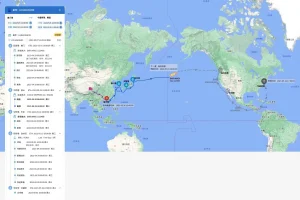
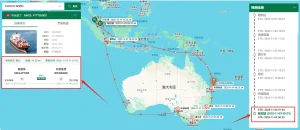
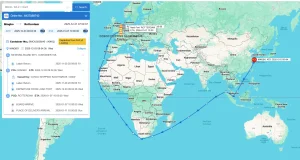
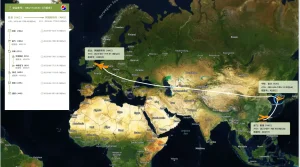
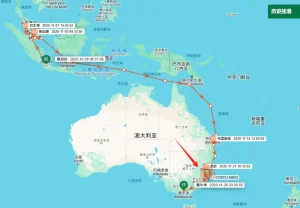
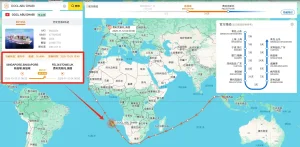
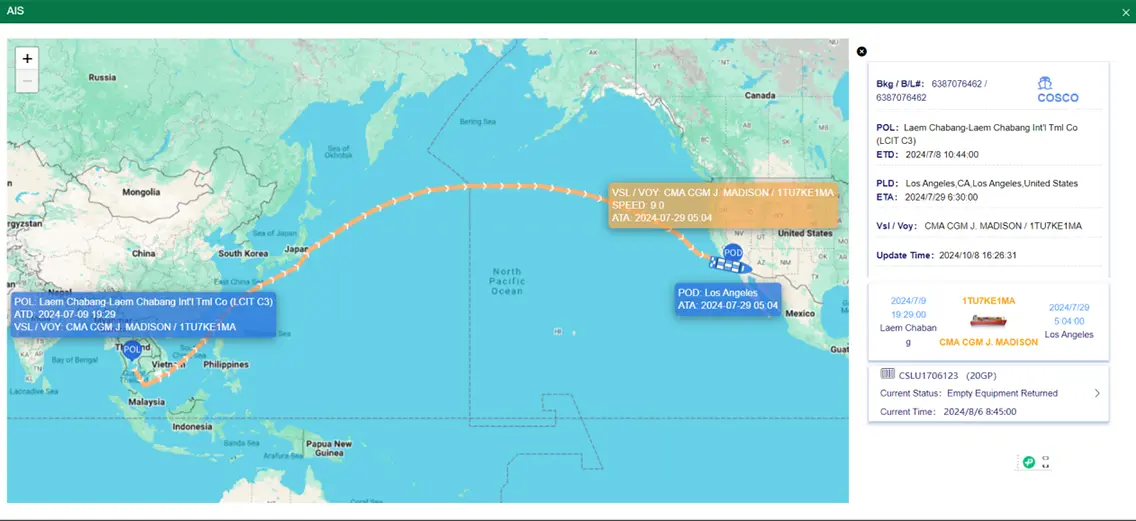
Utilize terrestrial and satellite AIS data feeds to track real vessel movements, dynamically updating ETA regardless of the carrier's reported milestones.
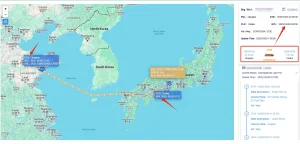
Our algorithms analyze historical transit times, maritime route congestion, weather, and port congestion index patterns to pinpoint actual vessel arrival times.
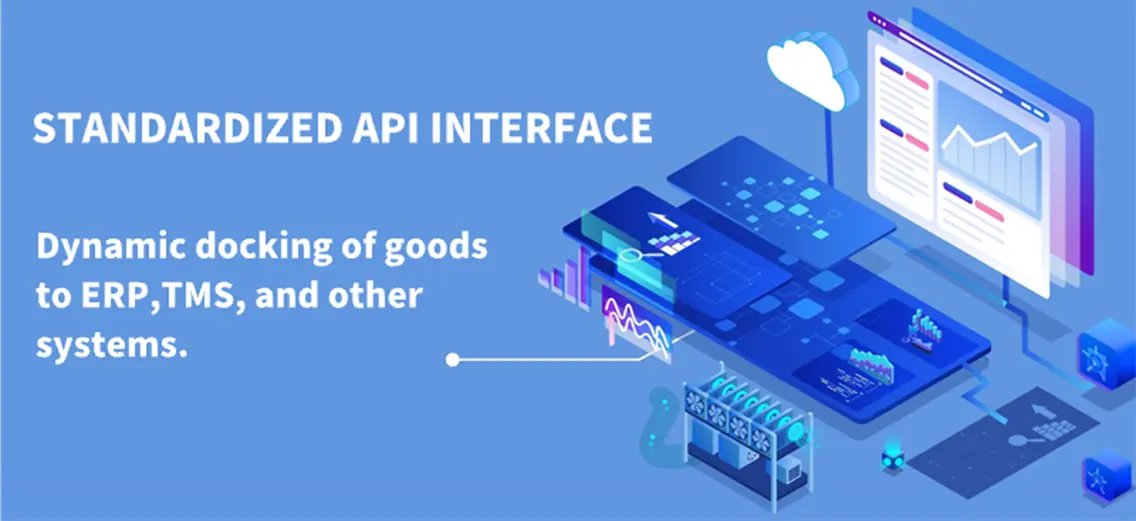
Distribute clean logistics telemetry automatically via REST APIs, eliminating manual queries and instantly triggering system alerts for delayed cargo.
To establish absolute cargo visibility, enterprises must implement a three-tiered logistics tracking framework:
Through Trackingeyes' automated data interface integrations, cargo dynamics are written back directly into ERPs. This mitigates risks in real-time, giving manufacturers and e-commerce platforms the capacity to reroute shipments, issue delays notices, and manage inventory expectations automatically.
Enterprise logistics visibility must be cost-effective. Legacy providers charge high, complex pricing based on per-container tracking, which becomes expensive for high-volume importers. Our models offer flexible, transparent API-based cost structures optimized for scale. Below is a breakdown of our pricing frameworks designed to match different business sizes:
| Service Plan | Core Features Included | API Quota & Latency | Target Market Segment |
|---|---|---|---|
| Starter / API Pilot | Standard Ocean & Air Carrier Milestones, Daily AIS updates. | Up to 10,000 requests/month; 15 mins latency | Small & Mid-sized Exporters & E-commerce merchants |
| Professional Visibility | Dynamic AI ETA updates, Port Cut-off Alerts, Carrier Auto-matching. | Up to 100,000 requests/month; 5 mins latency | Industrial Manufacturers & 3PL Logistical service providers |
| Enterprise Architecture | Real-time Global Satellite AIS, Deep ERP integration, Custom SLAs. | Unlimited API calls; <1 min real-time latency | Multinational Freight Forwarders & Global Supply Chain Networks |
Managing global logistics telemetry means dealing with highly sensitive commercial data. Competitors and third parties must not access detailed cargo manifest information. We build security and compliance into every layer of our platform:
The future of logistics tracking lies at the intersection of IoT sensors, predictive AI, and decentralized smart contracts. Our technical roadmap focuses on the following developments:
Phase 1: Sensor Fusion (2025-2026): Combining cellular cargo trackers with real-time AIS marine signals. This allows customers to track not only where the vessel is, but also the temperature, humidity, and shock impacts inside the shipping container.
Phase 2: Port Delay Mitigation Algorithms (2026-2028): Training LLMs and deep learning networks on port productivity data. By analyzing factors like labor strikes, rail backlogs, and yard container density, our systems will help forwarders choose the fastest alternative discharge routes before a vessel departs.
Phase 3: Automated Procurement (2028-2030): Integrating automated freight-rate matching with sailing schedules, allowing shippers to automatically book space on vessels with the lowest rates and highest historical on-time performance.
Access freight-cost tracking APIs, rail nodes, automatic ETA updates, and comprehensive vessel AIS solutions.
 Trackingeyes