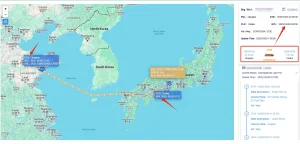
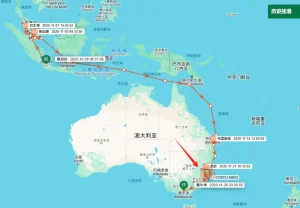
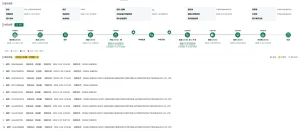
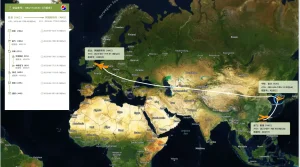
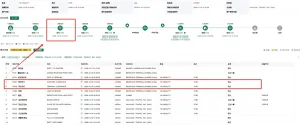
Explore our highly integrated systems engineered to minimize port-to-runway delays and automate dynamic transit documentation.
In the modern era of hyper-speed commerce, the Cargo Air Waybill (AWB) has evolved far beyond its origins as a physical, paper-based document accompanying cross-border freight. Today, it operates as the digital anchor of global supply chains. As an essential instrument containing legal contracts of carriage, custom parameters, and routing paths, the modernization of AWB processing acts as the ultimate differentiator for global logistics enterprises.
With China remaining the leading global exporter of industrial goods, high-tech components, and e-commerce shipments, the role of a specialized China Cargo Air Waybill Manufacturer has broadened. It is no longer just about supplying high-grade printing solutions for carbonless copy papers or shipping label stickers; it is about providing integrated physical-to-digital systems that merge AWB generation with real-time IoT tracking, automated API responses, and advanced compliance mechanisms.
Logistics procurement managers, freight forwarders, and digital directors looking for Cargo Air Waybill manufacturers generally face three structural bottlenecks: first, ensuring raw compliance with IATA (International Air Transport Association) physical/electronic specifications; second, linking local customs documentation seamlessly with destinated ground handling agencies; and third, achieving direct synchronization between physical labels and ERP system databases.
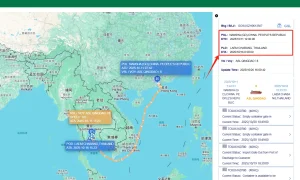
Our macro-solutions address the deep fragmentation of global supply chains. When cargo leaves a factory in Shenzhen or Chengdu, a physical cargo waybill label is affixed. That simple label acts as a visual trigger. Through integrated Trackingeyes technology, we map this barcode or RFID structure directly to a cloud-based digital twin.
By introducing predictive frameworks, we transform static documents into dynamic indicators. Rather than checking milestones retrospectively, our cloud integration allows shippers to foresee potential delays. If a specific freight hub in Europe is reporting severe backlog, our platform alerts the user, matching AWB records with dynamic rerouting models.
The international freight sector operates under strict standardization rules. IATA Resolution 672 governs the distribution, layout, and technological compliance of electronic Air Waybills worldwide. Today, global supply chains demand a highly automated environment where the transmission of Cargo IMP (Interchange Message Procedures) or newer Cargo XML files happens simultaneously with freight booking.
However, the physical label attached to the cargo box must remain resilient under severe industrial stress. From low-pressure high-altitude holds to freezing rain on flight lines, cargo waybills must stay legible. As an industry-leading manufacturer, we use synthetic face stocks, reinforced adhesives, and advanced thermal transfer technologies. This prevents scuffing and loss of tracking data, which frequently causes freight to be misrouted.
Furthermore, our manufacturing techniques are fully aligned with the requirements of major international freight routes. From high-capacity cargo complexes in Shanghai, Shenzhen, and Hong Kong to downstream logistics hubs in Chicago, Frankfurt, and Tokyo, our AWB products ensure seamless integration with local sorting systems and high-speed barcoding setups.
Founded in 2015, Trackingeyes is a leading provider of global end-to-end logistics tracking and supply chain visualization solutions. With a founding team boasting over ten years of deep logistics expertise, we thoroughly understand industry challenges and operational pain points.
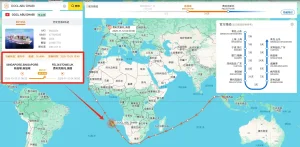
We specialize in global end-to-end cargo tracking across both sea and air networks, proudly serving thousands of import and export enterprises worldwide. Our comprehensive suite of services includes highly customizable tracking platforms and open API data interfaces designed to enhance supply chain visibility, increase cross-functional collaboration, and drive long-term operational efficiency.
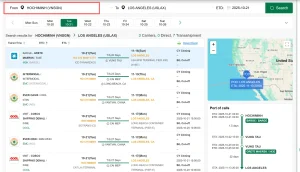
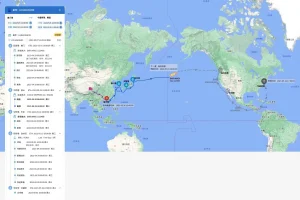
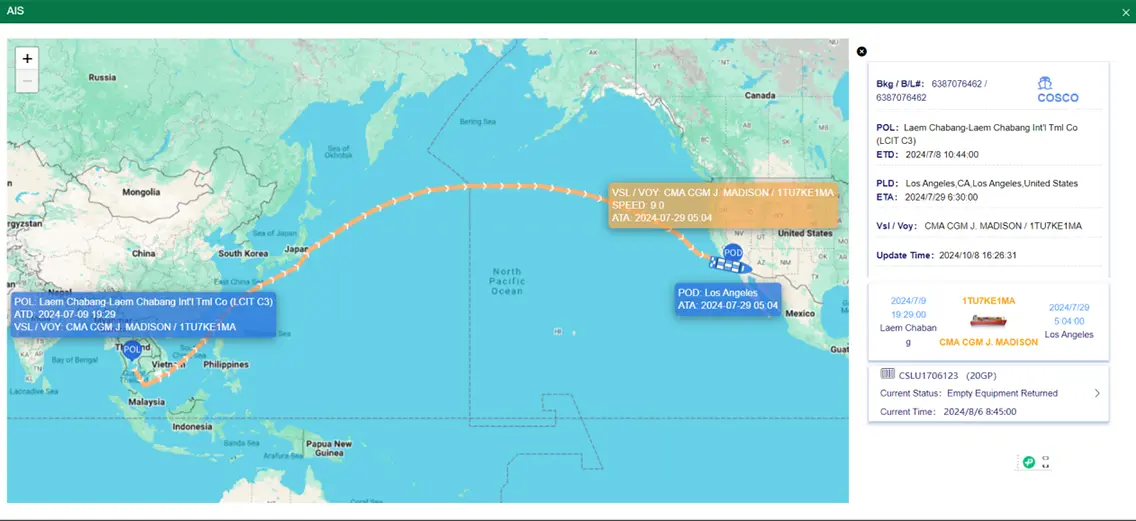
The Trackingeyes platform achieves full-chain data coverage from origin to destination terminal. We collect and aggregate data points from key sources, including local rail stations, port terminals, customs brokers, ocean container carriers, and commercial airlines.
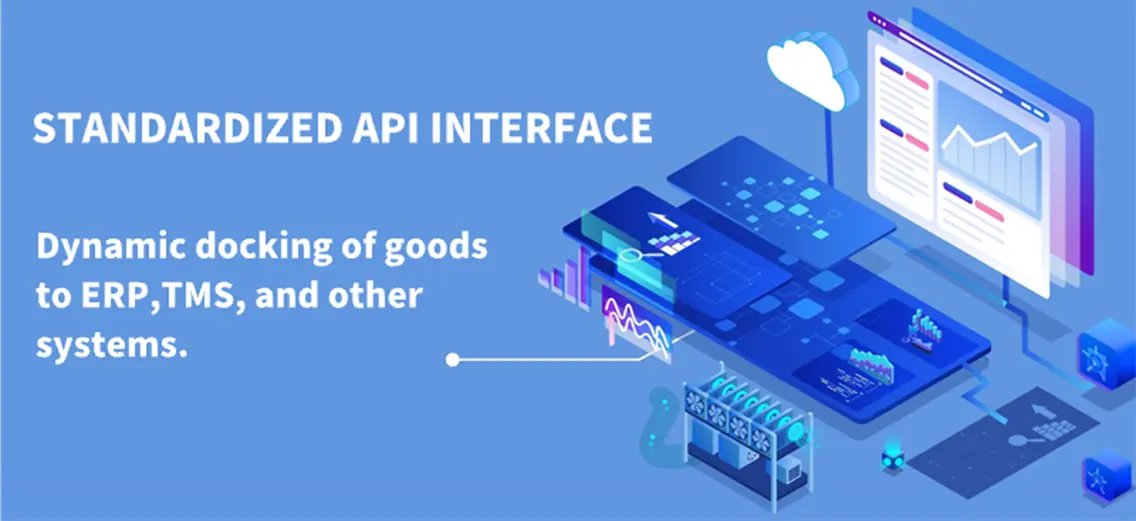
By integrating our API, logistics software providers and supply chain managers can automatically write real-time cargo updates directly into their internal ERP systems. This helps global logistics firms, e-commerce giants, and freight forwarders manage risks and predict delays proactively.
Get Professional Consultation


One of the most complex challenges in global logistics is maintaining documentation compliance across multiple customs authorities. For shipments originating from China, exporters must interface with China Customs (H2018 system), while simultaneously preparing for destination regulatory demands, such as the EU's Import Control System 2 (ICS2) and the US's Air Cargo Advance Screening (ACAS).
Our physical AWB layout options support multi-language pre-formatting, including required spaces for uniform social credit codes and specific commodity classifications.
Through our automated systems, the e-AWB dataset transmits necessary HS codes and shipper/consignee data directly to destination authorities, reducing customs delays.
Our tracking endpoints flag shipments lacking complete data profiles, preventing potential hold-orders at export warehouses before cargo is boarded.
By integrating AWB tracking with local destination carriers, we ensure smooth handoffs to final delivery partners once cargo leaves the airport.
Trackingeyes addresses compliance challenges by providing automated, real-time validation checks for every Air Waybill generated through our API partners. Our system analyzes structured AWB entries, identifies incomplete fields, and flags anomalies before customs filings occur, saving thousands of dollars in potential delays and fines.
Every supply chain operates under unique challenges. Air cargo typically involves high-value, time-critical, or temperature-sensitive assets. Here are three localized scenarios where our solutions improve operational control:
The future of cargo tracking lies in predictive analytics. While current technologies focus on reporting status updates after they occur, the next generation of logistics management relies on preemptive models. Trackingeyes is investing in three core areas to address these needs:
By applying machine learning models to historical flight routing, local weather conditions, airport ramp congestion, and seasonal bottlenecks, we are improving arrival time predictions. Instead of relying solely on airline-provided data, our models calculate dynamic ETAs, helping logistics managers optimize warehouse labor and downline ground transport schedules.
We are updating our API platform to directly support multi-protocol IoT trackers. This will allow clients to link temperature, shock, light, and humidity sensor readings directly to their AWB numbers in a single interface.
To address trust issues in multi-partner logistics networks, Trackingeyes is developing decentralized document registries. This ensures that signatures, customs clearances, and custody transfers are recorded permanently, simplifying disputes and compliance audits.
Explore answers to frequently asked technical and operational questions regarding Air Waybills and automated tracking systems.
Monitor, analyze, and optimize every segment of your logistics operations with our specialized APIs and visual dashboards.
 Trackingeyes