 Trackingeyes
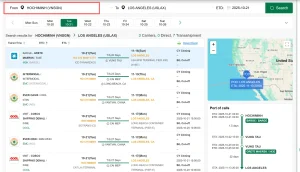
Harness real-time API integrations, vessel matching systems, and milestone tracking to optimize operations across multi-modal global lanes.
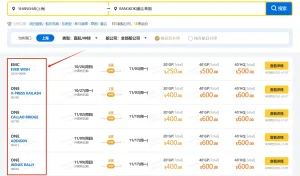
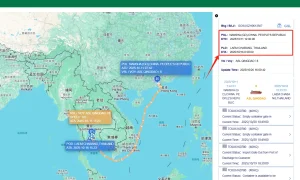
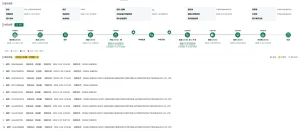

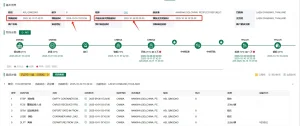
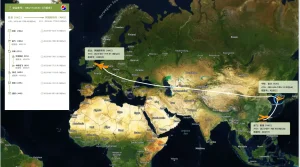
Global commerce relies heavily on precision logistics originating from the manufacturing hubs of China. From high-tech clusters in Shenzhen and Dongguan to industrial centers in the Yangtze River Delta, the prompt dispatch of goods requires absolute visibility. Under modern supply chain demands, traditional tracking systems that rely solely on static port-to-port updates no longer suffice. In an era defined by volatility, having direct access to dynamic, multi-source telemetry data is the baseline for high-performance operations.
Understanding "China Airways Freight Tracking" means examining the interaction between localized manufacturing, airport cargo handling systems (like PEK, PVG, CAN, and SZX), and international air carrier networks. Logistics managers require precise timestamps to coordinate downline actions: warehouse labor allocation, customs brokerage submission, and final-mile carrier scheduling.
API Data Reliability
Global Airlines Connected
Reduction in Transit Delays
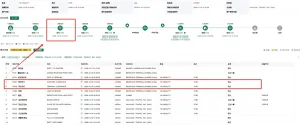
We utilize unified open API pipelines to ingest, normalize, and distribute logistics updates across key steps:
Direct EDI / XML hook-ups and IoT telemetry aggregation.
Translating scattered airline and ocean milestones into clean JSON schemas.
Leveraging legacy data to calculate real-world ETAs over static schedule predictions.
The air cargo industry is undergoing a digital transformation. Legacy EDI platforms (such as Cargo-IMP) are steadily being replaced by IATA’s ONE Record initiative, which establishes an internet-of-things data model for supply chains. This shift allows for semantic queries, letting computers and AI systems read tracking data in context. Rather than just asking "Where is the cargo?", systems can query: "Will the shipment of lithium batteries arrive before the connecting flight closes in Frankfurt?"
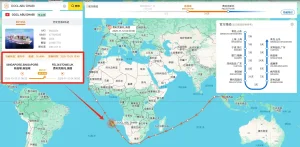
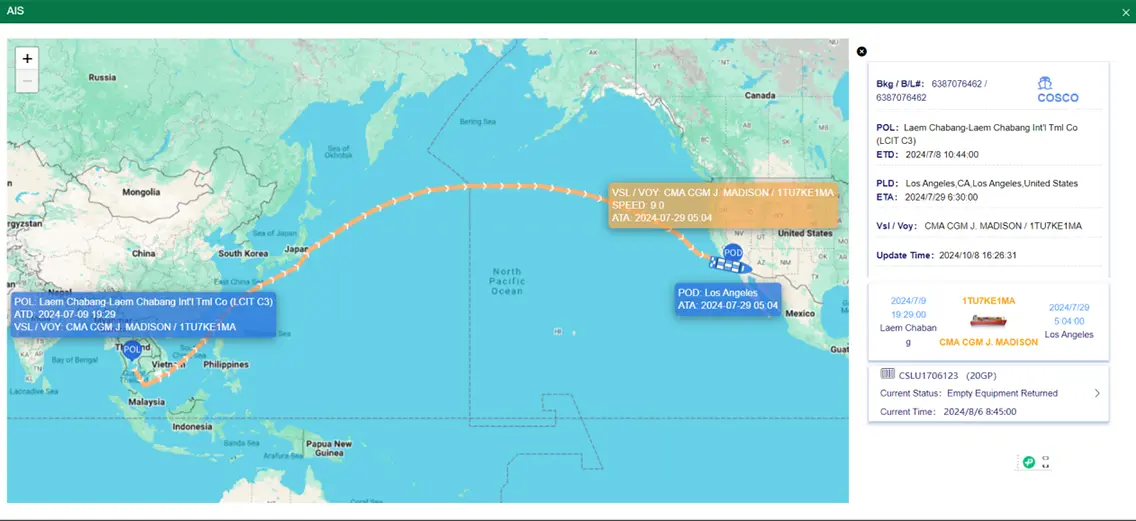
Additionally, the reliance on single-carrier telemetry is declining. Enterprises are demanding multi-modal data platforms that unify ocean schedule matches, rail node alerts, and air waybill updates under one dashboard. Dynamic schedules that combine AIS maritime tracking and airline data pipelines are now the gold standard for global supply chains.
Translating raw tracking endpoints into tactical operations across critical high-value corridors.
For high-value electronics manufactured in Shenzhen and routed through SZX to consumer markets in Europe and North America, a missed transfer in Doha or Dubai can stall manufacturing or product launches. Integrating our Air Freight Data API into ERP systems like SAP helps logistics teams reroute replacement stock before a delay halts assembly.
Pharmaceutical and fresh produce transport require strict temp controls. Telematics tracking combined with real-time flight updates ensures that ground crews are alerted immediately upon destination arrival. This expedites physical handover to cold storage facilities and reduces cargo spoilage.
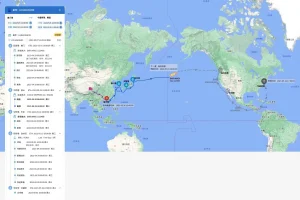
Cross-border supply chains often switch transport modes. When ocean freight encounters port congestion, shipments may transition to air or rail. Our integrated tracking solution covers maritime AIS data, rail node updates, and air freight tracking to keep supply chains connected through a single workflow.
Corporate procurement officers and Chief Technology Officers evaluate logistics API integrations based on three key metrics: data accuracy, system latency, and system integration costs. A high-quality tracking provider must offer clean documentation, reliable sandbox environments, and SLA-backed uptime guarantees.
Trackingeyes meets these demands by normalizing data across disparate global carriers, ground handling agencies, customs offices, and ports. This converts unstructured messages into standardized formats, allowing developers to integrate shipment data into proprietary platforms without having to build individual APIs for each carrier.
Protecting your supply chain data with modern, secure technology standards.


Founded in 2015, Trackingeyes is a leading provider of global end-to-end logistics tracking and supply chain visualization solutions. With a founding team boasting over ten years of logistics expertise, we deeply understand industry pain points. We specialize in global end-to-end cargo tracking by sea and air, serving thousands of import and export enterprises worldwide. Our services include customizable tracking solutions and open API data interfaces to enhance supply chain visibility and operational efficiency.
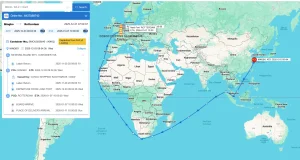
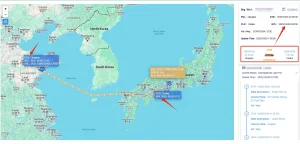
The platform achieves full chain data coverage from the source to the terminal through the collection and aggregation of data sources, including logistics information from various data sources such as stations, terminal, customs, shipping companies, and airlines. Through the Trackingeyes’ Platform, customers can quickly connect with hundreds of global data sources, greatly improving the efficiency and intelligence of logistics tracking.
Common questions from logistics developers, CTOs, and supply chain managers.
Trackingeyes ingests diverse data formats (such as EDI, Cargo-XML, and unstructured text updates) and translates them into a single, normalized schema. This process maps different carrier terms (e.g., DEP, ATD, DEPARTED) to a standardized event type, ensuring consistent tracking across multi-carrier shipments.
Failing to deliver cargo to the terminal before the designated port cut-off time leads to rolled containers and additional carrier fees. Our Port Cut-off Tracking monitors port operation shifts, terminal gate status, and carrier schedule changes to keep supply chain coordinators informed of updates.
Cargo pick-up failures often occur due to late custom clearances, delayed document handovers, or unscheduled arrivals. Trackingeyes helps mitigate this by providing real-time ETA updates, customs release alerts, and terminal arrival notifications. This allows local dispatchers to coordinate drayage and reduce demurrage costs.
We provide comprehensive open REST APIs and webhooks that output data in clean JSON formats. Your development team can build custom integrations into ERP suites (such as SAP, Oracle, and Microsoft Dynamics) to write tracking data directly to internal dashboards.
Yes. The Trackingeyes platform is designed for multi-modal logistics tracking. A single API key gives you access to air waybill (AWB) status, ocean container updates, AIS vessel location feeds, and rail tracking points across major North American and Eurasian networks.
Carriers often provide static schedules that fail to account for weather conditions, port congestion, or seasonal capacity constraints. Our AI predictive models analyze historical lane data and real-time operational factors to generate dynamic, predictive ETAs, giving you a more accurate forecast of delivery times.
Explore our advanced logistics solutions, designed to help you streamline shipping operations, reduce transit delays, and optimize your overall transport network.