Empower your ERP and logistics management systems with high-fidelity real-time data
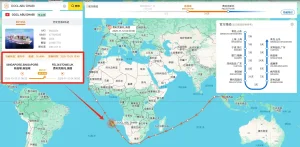
In modern global trade, maritime transport carries over 80% of volume. As supply chains expand, traditional milestone tracking (such as vessel departure and arrival logs) falls short. Advanced freight tracking addresses this visibility gap. We merge real-time Automatic Identification System (AIS) telemetry, dynamic port authority feeds, and machine learning models to convert fragmented data points into actionable supply chain intelligence.
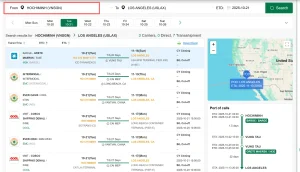
Through the Trackingeyes Platform, businesses connect to hundreds of global data sources to streamline logistics. Key services include dynamic schedules, port-opening alerts, custom destination updates, and rate-matching algorithms that fit directly into enterprise architectures.
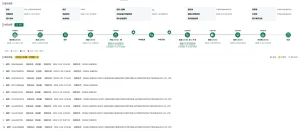
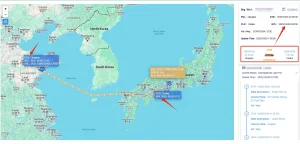
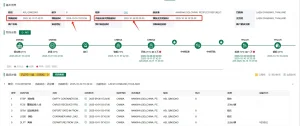
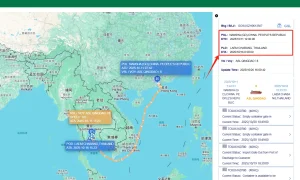
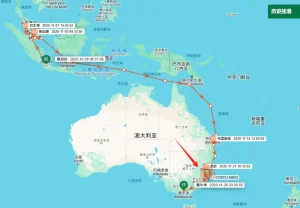
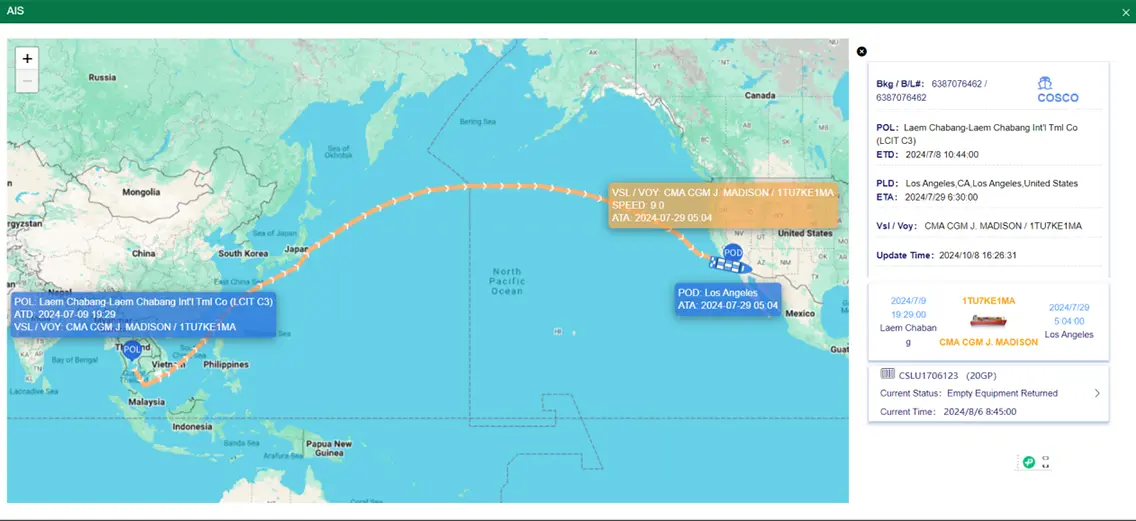
Our infrastructure ingests millions of signals daily. By correlating carrier milestones with terrestrial and satellite-based AIS tracking, Trackingeyes generates accurate Actual Time of Departure (ATD) and Actual Time of Arrival (ATA) events, bypassing the latency of standard carrier EDI connections.


Our commitment to next-generation tracking: AI models, ML predictive engines, and edge computing
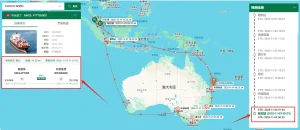
Trackingeyes runs on a multi-layered technological framework. At the base layer, raw data feeds from terrestrial AIS receivers, satellite transponders, customs clearance hubs, and container terminals are unified into a normalized data stream. Traditional systems struggle with raw telemetry noise, such as missing signals, duplicate transmissions, and incorrect coordinates. We apply kalman filtering and geospatial clustering algorithms to construct accurate, clean voyage paths.
In our roadmap, the transition to predictive intelligence is a major milestone. Rather than merely reporting where a container is, our models forecast its location. By training on a dataset of historical voyages, port dwell times, seasonal weather, and lane congestion, our machine learning models calculate a Dynamic Predictive ETA. This dynamic ETA adjusts continuously throughout the voyage.
Integration of S-AIS, Terrestrial AIS, and terminal operating systems for low-latency status updates.
Applying machine learning algorithms to adjust ETAs dynamically based on weather, congestion, and historical performance.
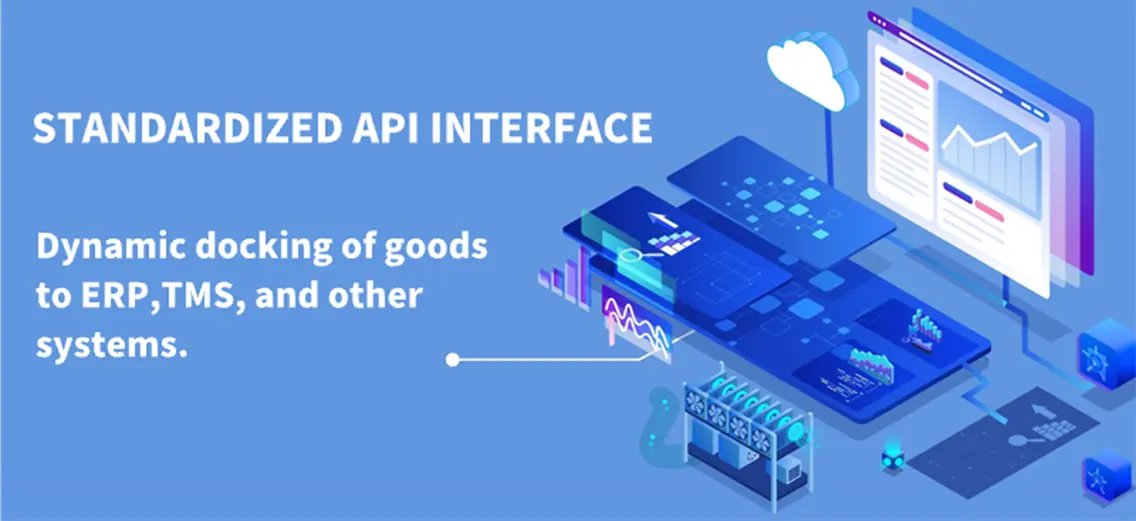
Using Webhooks to trigger ERP updates, customs declarations, and last-mile scheduling without manual intervention.
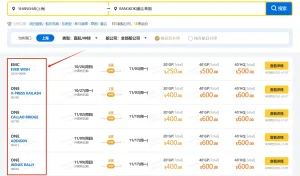
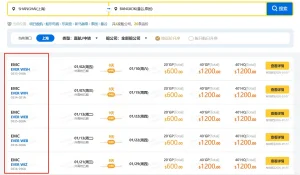
We launched an API module connecting spot market freight rates with real-time vessel schedules. This enables procurement teams to dynamically select routes based on cost and arrival stability.
Integrating yard sensor data and historical truck queue times to predict port openings, helping logistics managers avoid costly container demurrage fees.
Partnering with satellite providers to offer high-frequency polling rates. This reduces tracking intervals down to under 5 minutes, even in remote mid-ocean corridors.
Providing structural answers for cross-border logistics complexities, from rail nodes to customs clearance
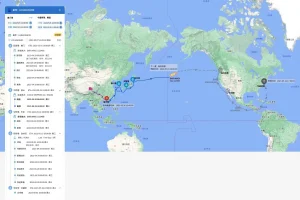
Global cargo rarely relies on a single transit mode. A container leaving a factory in inland China might travel by rail to the Port of Shanghai, board an ocean vessel to Los Angeles, and then use North American rail nodes to reach a warehouse in Chicago. Any gap along this chain breaks overall visibility.
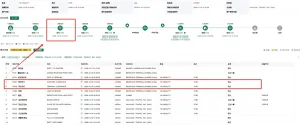
Trackingeyes integrates maritime feeds with inland rail milestones and drayage systems. In North America, we sync with Class I railroads (Union Pacific, BNSF, CSX) to track railcar movements, terminal dwell times, and ramp availability.
Customs clearance is a common bottleneck in international trade. Delays at the destination port lead to storage charges and container demurrage. By integrating customs release declarations directly into our tracking pipelines, Trackingeyes provides immediate notifications when customs hold and release statuses change. This allows drayage operators to dispatch trucks right as cargo clears, lowering overall transit times.
Signals when goods leave the manufacturing floor and are loaded into a container.
Tracks when the container enters the terminal yard and receives export clearance.
Provides ocean vessel positioning even when out of reach of land stations.
Monitors final delivery steps, ensuring empty containers return on time.
In smart manufacturing, factories rely on just-in-time raw material arrivals and predictable outbound shipping lanes. Our technology integrates directly with Factory 4.0 ERP and warehouse management systems. Instead of treating logistics as a post-production concern, we align production schedules with vessel departures.
Integrating with shipping schedules ensures containers are packed and dispatched in line with terminal gate-in openings. This reduces container dwell times in storage yards and helps prevent costly late-delivery penalties.
A key focus is updating legacy ERP systems to support real-time data flows. By adding a tracking engine to traditional ERP configurations, enterprises automate milestone updates, reducing manual entry errors and providing immediate, shared status updates across sales, customer service, and procurement teams.
Providing clear cost breakdowns and SLA terms to help procurement teams evaluate ROI
Enterprise procurement teams prioritize predictability, cost efficiency, and reliable service-level agreements (SLAs). Our pricing structures are designed to match varying transaction volumes. Whether your operations need low-volume API lookups or enterprise-wide integrations with high-frequency S-AIS queries, our tier system provides a transparent framework for calculating ROI.
| Service Tier | Volume Range (Monthly Requests) | Tracking Accuracy / Latency | Included Modules | Estimated Enterprise Pricing |
|---|---|---|---|---|
| Standard API Tier | 1,000 to 10,000 | Terrestrial AIS (1 hour latency) | Basic Container Milestones & ETD/ETA Alerts | $0.05 per call (Volume discounts apply) |
| Professional Tier | 10,001 to 100,000 | Hybrid Terrestrial & Sat-AIS (15 min latency) | Advanced ETA Prediction, Sailing Schedule APIs | $0.035 per call (Volume discounts apply) |
| Enterprise Visualizer | 100,001 to 1,000,000+ | Global Sat-AIS (Near real-time polling) | Full ERP Connectors, Custom Webhooks, Rail Nodes | Custom Quote / Tailored SLA Agreement |
| Specialist / OEM Tier | Unlimited / Custom Integration | Tailored Solutions | Dedicated server nodes, white-label configurations | Custom Agreement with priority support |
Data security is critical for international supply chains. Navigating regulations like GDPR, PIPEDA, and local data protection standards requires secure design. Trackingeyes encrypts all API calls and webhook event payloads, protecting proprietary commercial information from unauthorized access.
Additionally, we maintain localized customer support centers in major trade zones—including the Asia-Pacific region, North America, and Europe. This ensures technical assistance is available in your local time zone to resolve any integration issues quickly.
Compliance is an ongoing focus. Trackingeyes meets SOC2 requirements and keeps its API endpoints secured behind modern access layers. We also guarantee a 99.9% API uptime SLA, keeping your critical logistics dashboards updated around the clock.
Providing clear answers to technical questions about freight tracking integrations
Explore our tools designed to help reduce delays and optimize freight costs
 Trackingeyes