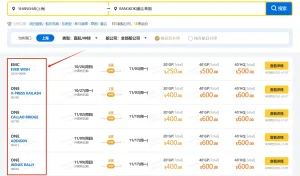
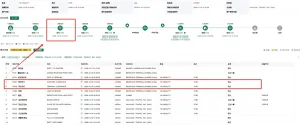
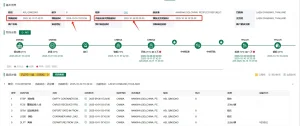
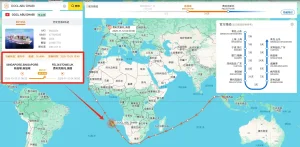
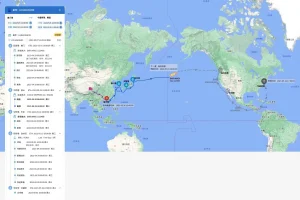
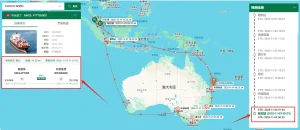
Select our enterprise-tier modules to establish immediate, API-driven connectivity to global data feeds and dynamic maritime schedules.
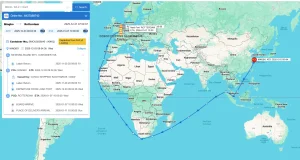
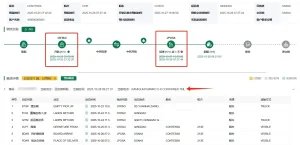
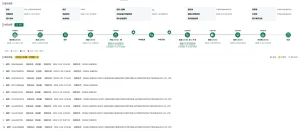
Modern global logistics is navigating an era of unprecedented volatility. Supply chains are no longer simple linear paths; they are complex networks susceptible to maritime route changes, geopolitical disruptions, port congestion bottlenecks, and severe weather patterns. To survive and excel, international enterprises require actionable intelligence rather than static notifications. The China 700 Cargo Tracking paradigm represents a milestone-driven framework that tracks cargo across the top 700 maritime and air transport nodes, offering automated tracking data that transforms raw shipping data into business intelligence.
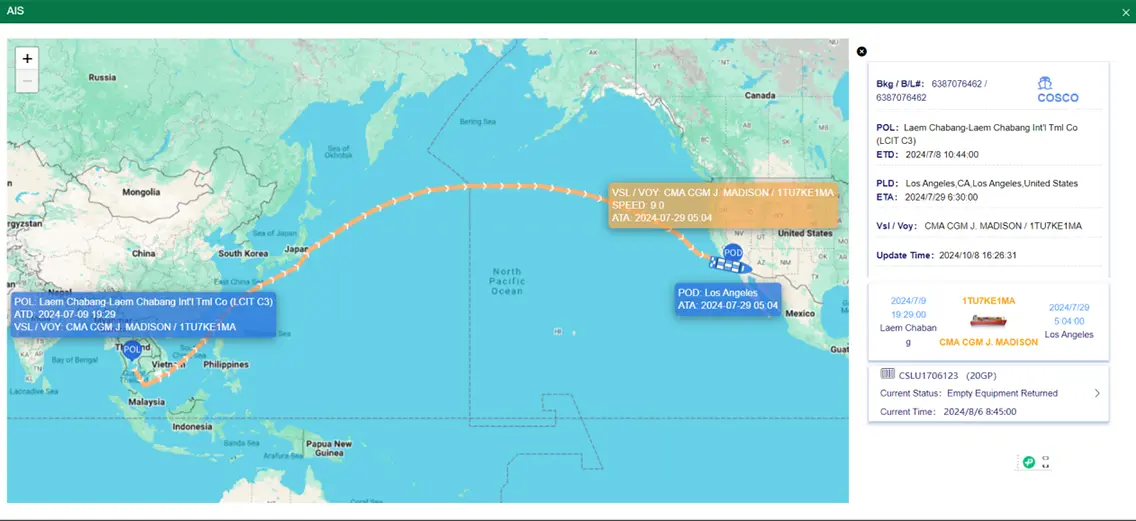
Traditional carrier milestones (e.g., container gate-in, vessel departure) are frequently delayed by hours—sometimes days. By fusing global satellite-based AIS (Automatic Identification System) feeds, port terminal operating records, and customs transaction databases, we provide real-time updates of actual departures (ATD) and actual arrivals (ATA). The result is a robust, clean tracking engine that reduces target tracking errors by over 93%, preventing costly demurrage and detention charges, and stabilizing inventory stock levels across global distribution hubs.
For operations based in China—the industrial manufacturing hub of the world—the efficiency gains of origin cargo tracking are amplified. With integrated customs databases and destination terminal feeds, our platform provides a single source of truth from factory pickup in industrial zones to final container unloading. Understanding this end-to-end framework allows global purchasing officers to renegotiate freight rate structures, optimize shipping schedules, and prevent last-mile delays before their freight even clears the origin port limits.
Global Strategic Hubs & Ports
Containers Monitored Annually
ETA Accuracy Rate (AI Pred)
Average Detention Cost Reduction
Discover how our data gathering infrastructure delivers real-time visibility across the entire transit lifecycle.
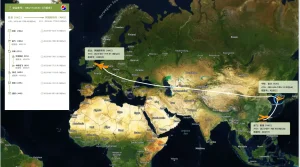
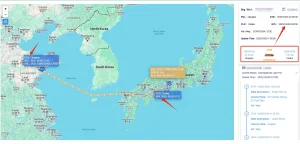
We ingest live satellite and terrestrial AIS data, tracking vessel coordinate movements, draft deviations, and ocean velocity to compute dynamic maritime transit routes independent of carrier estimations.
By connecting to international customs authorities and primary marine terminal operating platforms, we establish clear tracking during pre-clearance, port terminal dwell, and gate-out phases.
Machine learning models process historically recorded ocean voyages, real-time port berth queuing durations, and regional maritime congestion to generate updated ETA predictions every 2 hours.
Bridging the critical visibility gap between Chinese manufacturing assembly lines and global distribution ports.
Within China's vast industrial zones (e.g., Shenzhen, Ningbo, Qingdao, Shanghai), manufacturing efficiency is highly optimized, yet local container transport and booking updates are frequently manual. Our localized 700 Cargo Tracking services bridge this gap by monitoring cargo from the factory loading dock through domestic container yards straight to the designated export berth.
By automating origin documentation, port entry milestones, and customs clearance notices, we guarantee that importers possess absolute clarity on whether containerized cargo will make its scheduled vessel cut-off time, eliminating costly rolls and container detention fees before the voyage begins.
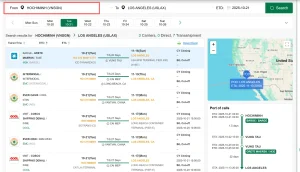
High-Tech Electronics Export: A consumer electronics firm routing components from Shenzhen to Los Angeles utilized our automated AIS milestones and destination port notifications to coordinate direct drayage dispatch. This lowered port container dwell times from 6.8 days down to 1.9 days.
Cold Chain Food Logistics: By embedding IoT temperature and geographical coordinate sensors reporting through our tracking API, a fresh food manufacturer reduced transit exceptions by 40%, identifying carrier power outages in real-time at major regional transit terminals.
Founded in 2015, we are an established pioneer in supply chain visualization and logistics tracking APIs.
Founded in 2015, Trackingeyes is a leading provider of global end-to-end logistics tracking and supply chain visualization solutions. With a founding team boasting over ten years of logistics expertise, we deeply understand industry pain points. We specialize in global end-to-end cargo tracking by sea and air, serving thousands of import and export enterprises worldwide. Our services include customizable tracking solutions and open API data interfaces to enhance supply chain visibility and operational efficiency.
The platform achieves full chain data coverage from the source to the terminal through the collection and aggregation of data sources, including logistics information from various data sources such as stations, terminals, customs, shipping companies, and airlines. Through the Trackingeyes’ Platform, customers can quickly connect with hundreds of global data sources, greatly improving the efficiency and intelligence of logistics tracking.
A transparent breakdown of tracking service tiers tailored for freight forwarders, logistics platforms, and enterprise shippers.
How technological evolution is transforming global maritime logistics and supply chain optimization.
Static calculations based strictly on distance over speed are obsolete. Modern visibility platforms process dynamic weather conditions, current sailing speeds, historical routes, and berth congestion data to deliver precise ETA predictions.
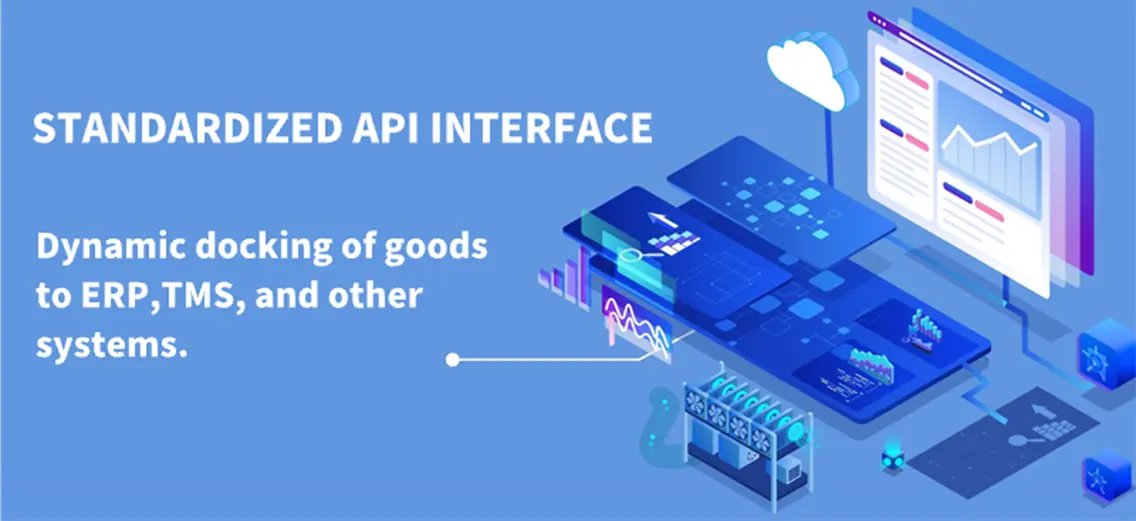
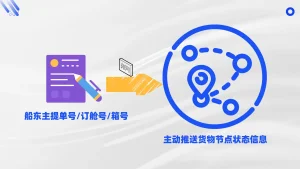
Shippers demand immediate access to information. Direct system integrations write live milestones into operational TMS and ERP databases, optimizing customer support and resource planning.
Risk mitigation is now a strategic necessity. Instant alerts for delays, rerouting, and custom clearance hold-ups allow shippers to implement backup plans before logistics gridlocks occur.
Get clear, technical answers to common queries regarding marine AIS, API integrations, and cargo milestone tracking.
We aggregate telemetry data from global networks of terrestrial receivers and satellite-based transponders. This double-layer tracking ensures continuous coverage even when vessels travel through remote deep-sea channels or areas with low signal coverage.
Our API is built on real-time webhook infrastructure. Data gathered from terminal systems and carrier networks is processed and dispatched to your ERP interface within 15 minutes of occurrence, bypassing the manual processing delays common to shipping lines.
By offering reliable ETA updates, we enable warehouses to optimize labor scheduling, help logistics teams coordinate drayage trucking, and reduce ocean port storage dwell times. This cuts down on expensive container demurrage fees and terminal storage surcharges.
Yes. Our tracking ecosystem covers domestic container movements, customs export clearances, and inland terminal operations at all major Chinese shipping hubs, giving logistics operators complete visibility over origin cargo before it boards the vessel.
Yes, we provide standard webhook arrays and open REST APIs that write cargo status and ETA updates directly into SAP, Oracle, Microsoft Dynamics, or custom corporate TMS systems. This eliminates manual data entry and minimizes reporting errors.
If a vessel's AIS transponder is turned off or signal coverage is lost, our system uses backup predictive models. These analyze historical voyages, terminal port logs, and transshipment records to update status events, keeping your planning updates reliable.
Explore our specialized tracking tools and APIs, built to give you complete visibility from port terminals to final destinations.
 Trackingeyes