Explore our core API integrations and tracking solutions designed to eliminate blind spots across your global supply chain.
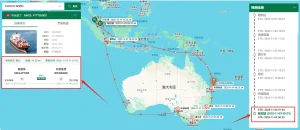
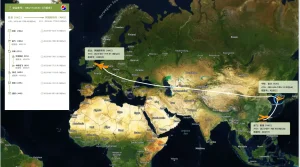
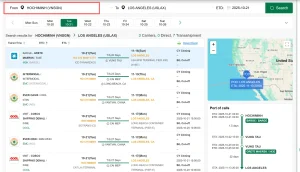
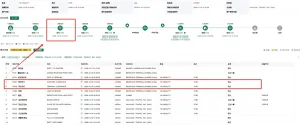
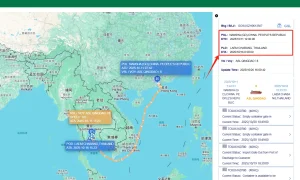
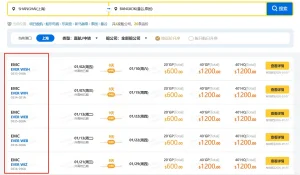
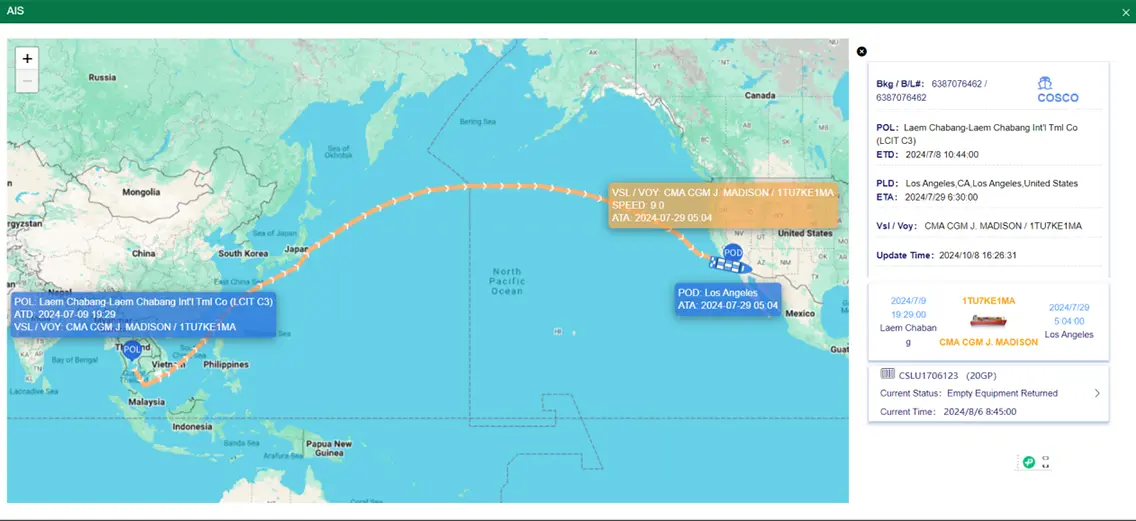
In the modern maritime landscape, standard tracking is no longer sufficient for complex, high-volume supply chains. The term 075 Cargo Tracking represents a specialized class of heavy-duty, high-capacity, and strategic logistics tracking. Inspired by the robust, multi-dimensional coordination capabilities of large-scale maritime vessels, this standard demands real-time integration of multi-source data (AIS, satellite, terminal status, and customs) to manage bulk, high-value, or time-sensitive industrial shipments.
Trackingeyes has pioneered this standard by combining terrestrial and satellite AIS feeds with advanced machine learning algorithms. This ensures that whether your cargo is on a mega-container ship crossing the Pacific or transitioning through complex inland rail networks, you receive uninterrupted, high-fidelity data stream updates.
Many tracking services simply scrape carrier websites, leading to delayed updates and "black box" periods. Trackingeyes provides true Information Gain by aggregating raw data directly from:
Founded in 2015, Trackingeyes is a leading provider of global end-to-end logistics tracking and supply chain visualization solutions. With a founding team boasting over ten years of logistics expertise, we deeply understand industry pain points. We specialize in global end-to-end cargo tracking by sea and air, serving thousands of import and export enterprises worldwide. Our services include customizable tracking solutions and open API data interfaces to enhance supply chain visibility and operational efficiency.
The platform achieves full chain data coverage from the source to the terminal through the collection and aggregation of data sources, including logistics information from various data sources such as stations, terminal, customs, shipping companies, and airlines.
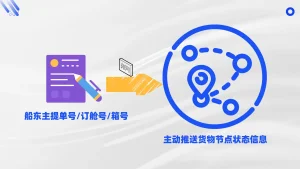
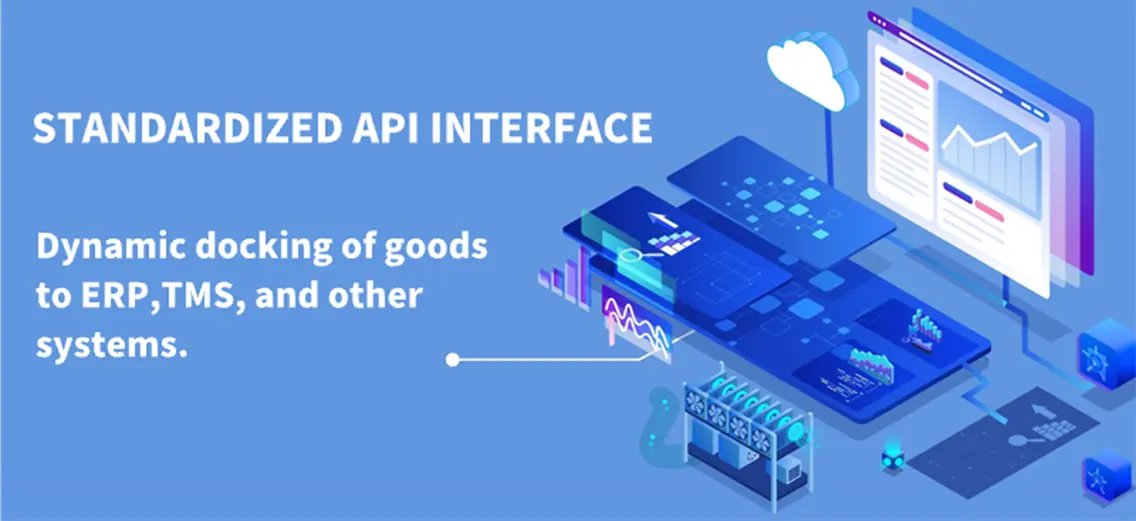
Through API interface integration, the dynamics of goods can be automatically written back to internal systems and customer service systems of the enterprise, assisting global logistics enterprises, supply chain enterprises, cross-border e-commerce enterprises, software platforms and other enterprises to achieve more efficient and refined goods tracking management, and to do risk control and prediction in advance.
Through the Trackingeyes’ Platform, customers can quickly connect with hundreds of global data sources, greatly improving the efficiency and intelligence of logistics tracking. Unlock end-to-end visibility with our trusted tracking platform. We bring proven reliability to both ocean and air cargo tracking, giving you the accurate data and control needed to streamline operations from port to runway.

How macro-economic shifts and maritime challenges are driving the demand for advanced 075-level tracking capabilities.
Global trade lanes face unprecedented volatility. Major gateways in North America, Europe, and Asia experience cyclical bottlenecks. High-precision AIS and predictive ETA algorithms allow shippers to dynamically reroute cargo, avoiding costly demurrage and detention fees before vessels even arrive at the outer anchorage.
Modern industrial manufacturing operates on razor-thin inventory margins. A delay of a single container can halt an entire assembly line. The 075 tracking standard provides the granular, minute-by-minute updates required to synchronize factory operations with incoming ocean freight.
Under new IMO regulations, shipping lines must optimize fuel consumption and reduce emissions. Real-time tracking data enables "Just-In-Time Arrival" protocols, allowing ships to adjust speed dynamically based on port availability, significantly reducing carbon footprints.
The technological shifts transforming global logistics from reactive tracking to proactive, autonomous supply chain orchestration.
Traditional ETAs provided by carriers are static and often inaccurate. Modern tracking systems utilize machine learning models trained on historical voyage data, weather patterns, port queues, and vessel performance to predict arrival times within a 2-hour margin of error.
Beyond location, tracking now encompasses condition monitoring. Smart containers equipped with IoT sensors transmit temperature, humidity, shock, and door-opening events in real-time, ensuring the integrity of pharmaceuticals and perishable food items.
The future belongs to platforms that can seamlessly transition tracking from ocean vessels to rail networks, customs warehouses, and last-mile delivery trucks, presenting a single, unified timeline to the end-user.
*Data based on Trackingeyes internal case studies comparing legacy EDI systems against our modern AI-driven API integrations.
How the 075 Cargo Tracking standard solves specific regional and operational bottlenecks across global trade corridors.
Transitioning cargo from West Coast ports (LA/LB) to inland rail hubs (Chicago, Memphis) often results in data dropouts. Trackingeyes integrates directly with Class I railroads to provide seamless node-to-node tracking, ensuring container status is updated even when deep in transcontinental transit.
Navigating the complex customs environment of European ports requires precise documentation timing. Our integrated customs and destination services bridge the "last mile" by matching vessel arrival data with local customs clearance status, preventing cargo pick-up failures.
For high-frequency shipping between China, Southeast Asia, and Japan, short transit times require rapid data refreshes. Our automated air and ocean tracking solutions provide hourly updates, allowing regional distributors to manage tight warehouse schedules.
Our strategic vision for the evolution of the Trackingeyes platform and the broader cargo tracking industry.
Integration of global terrestrial and satellite AIS networks, port terminal operating systems, and major airline cargo systems into a single unified data pipeline.
Deployment of neural network models to predict port congestion, vessel delays, and dynamic ETAs, reducing reliance on outdated carrier-reported schedules.
Introducing AI agents that not only detect delays but automatically initiate mitigation strategies, such as rebooking inland transport or alerting destination warehouses.
Integrating blockchain technology to create immutable, self-executing smart contracts for customs clearance and freight payment based on verified tracking events.
Enterprise-grade frameworks designed to integrate tracking data directly into core business operations.
For large-scale manufacturing and trading enterprises, logistics data shouldn't live in a silo. Trackingeyes provides a robust visual engine that integrates directly with SAP, Oracle, and custom ERP systems. By embedding real-time ocean and air logistics data directly into your procurement and sales modules, you can automate inventory planning, trigger billing milestones, and provide customers with self-service tracking portals.
In ocean freight, timing is everything. Missing a port cut-off or failing to pick up a container within the free-time window leads to severe financial penalties. Our platform features automated Port Opening Alerts and Cut-off Tracking. By monitoring terminal operations and vessel schedule changes in real-time, we alert your drayage partners the moment a container is ready for pick-up, minimizing demurrage risks.
Get answers to common questions about our tracking technologies, API integrations, and data coverage.
Discover more tools to streamline your supply chain, monitor freight costs, and enhance operational efficiency.
 Trackingeyes