Enterprise APIs and SaaS solutions delivering millisecond-level updates on global cargo and vessel metrics.
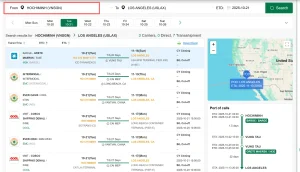
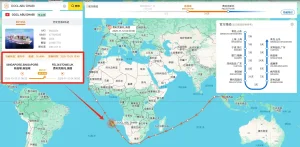
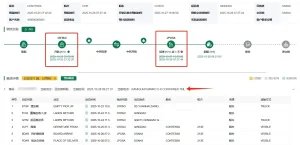
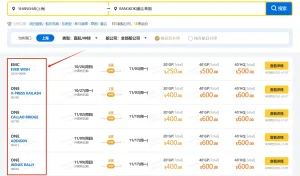
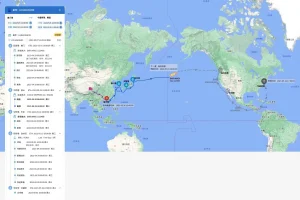
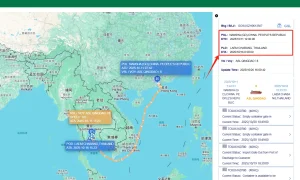
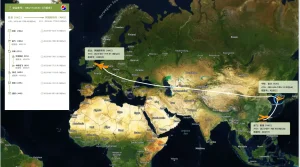
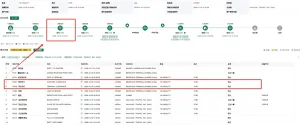
Founded in 2015, Trackingeyes is a leading provider of global end-to-end logistics tracking and supply chain visualization solutions. With a founding team boasting over ten years of deep maritime and air logistics expertise, we intimately understand the complex friction and structural blindspots in modern supply chain management.
We specialize in delivering high-fidelity cargo tracking solutions by ocean, rail, and air, serving thousands of import/export enterprises, freight forwarders, and logistics software platforms globally. Our customizable webhooks and developer-friendly OpenAPI architectures integrate directly into your TMS, ERP, or customer-facing platforms to maximize operational predictability.



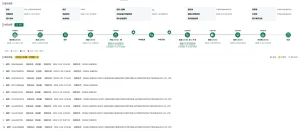
The Trackingeyes platform normalizes and enriches raw ocean, customs, and port data to power automated workflows.
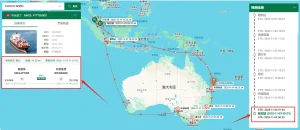
Combines terrestrial and satellite AIS transceivers to track container vessels uninterruptedly, even through deep-ocean blind spots.
Dynamic calculations analyzing vessel draft, historical route patterns, weather anomalies, and port congestion indices to predict arrivals.
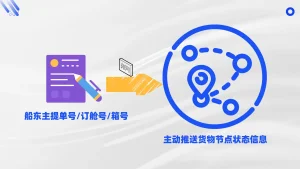
Integrates instantly using JSON payloads. Receive push notifications for port-in, port-out, customs releases, and sailing updates.
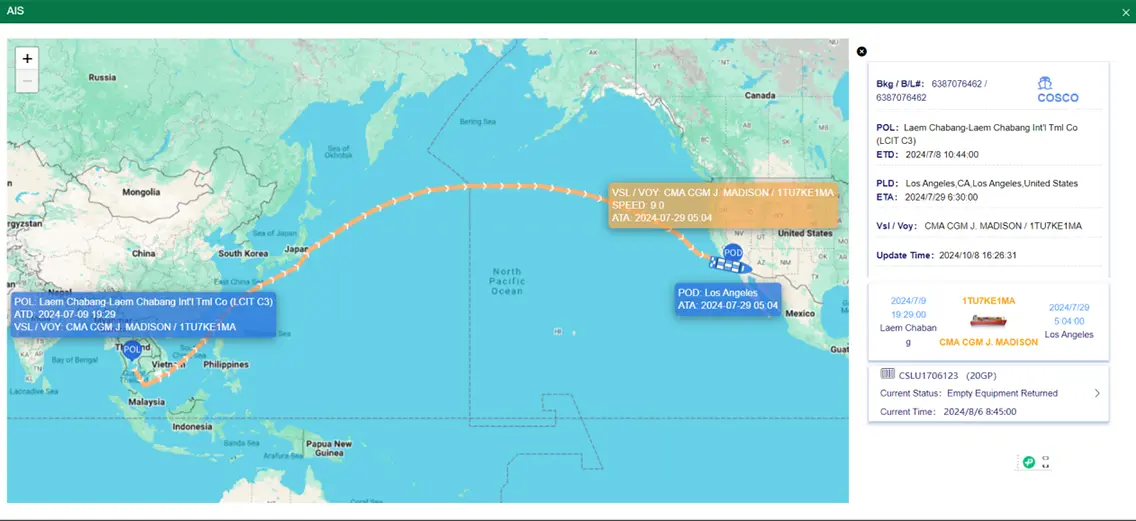
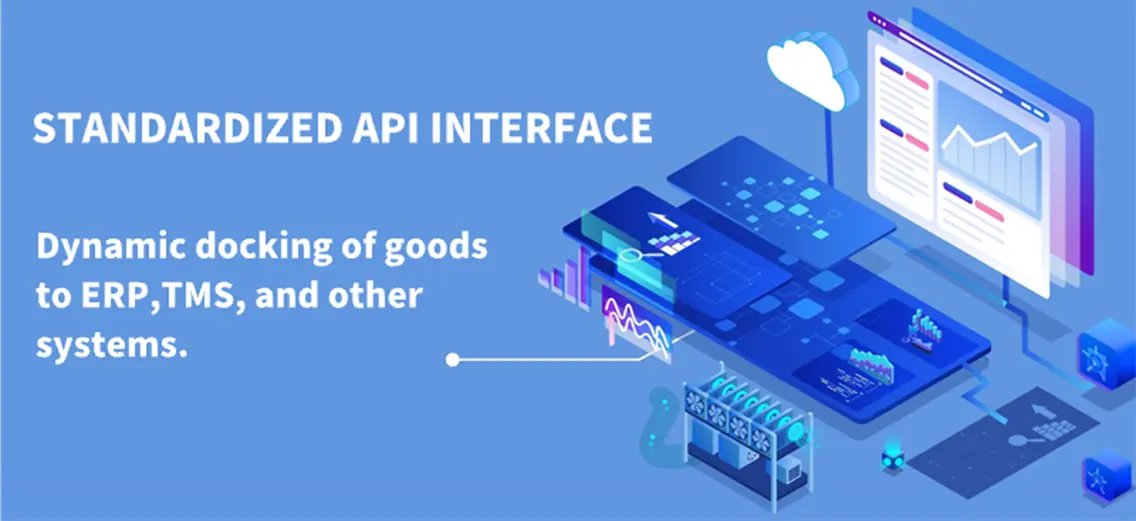
Our infrastructure platform achieves full chain data coverage from source to terminal by aggregating disparate data pools. This includes carrier-direct EDI messages, port-community APIs, national customs databases, and global flight manifests.
Through the Trackingeyes platform, enterprises bypass the friction of establishing individual connections to hundreds of global data sources. Automatic write-back capabilities push shipment milestones directly to internal platforms, customer service suites, or client-facing applications to manage disruptions proactively.
The global shipping industry, handling over 80% of international trade volume, has historically operated with low visibility. Real-time data access has shifted from a competitive differentiator to a regulatory and operational baseline. A high-fidelity Vessel Tracker API serves as the central nervous system for supply chains by providing accurate, low-latency, and actionable intelligence to logistics managers, BCOs, and digital freight forwarders.
"Without real-time data integration, supply chains remain reactive. Predictive analytics driven by multi-modal APIs allow companies to pivot shipping schedules, re-route inventory, and minimize demurrages before the vessel even arrives at the harbor limit."
Sourcing your vessel tracking and data processing pipelines from key hubs like China offers structural advantages. The region is home to some of the world's busiest ports, including Shanghai, Ningbo-Zhoushan, Shenzhen, and Guangzhou. Being at the epicentre of these maritime trade corridors allows developers and manufacturers to directly interface with highly optimized terminal operating systems (TOS).
Chinese tech providers build tracking systems adjacent to the source of physical supply chains. The direct integration with Chinese customs authorities and regional shipping lines ensures that the primary data milestones—such as container gate-ins, customs clearances, and pre-advises—are captured with minimal latency. This high data density yields more accurate baseline inputs for predictive machine learning models.
When procurement and technical leaders source a Vessel Tracker API, their assessment criteria extend beyond pricing. Key requirements include:
Global logistics operations must respect localized regulations and geographical constraints. In the European Union, the introduction of the EU ETS (Emissions Trading System) for maritime transport requires precise calculation of voyages and fuel consumption profiles. In North America, integration with class-I rail networks is essential, as a significant portion of imported ocean cargo transitions directly to intermodal rail transport nodes.
Furthermore, localized customs requirements—such as the US Customs and Border Protection's Importer Security Filing (ISF 10+2) and the EU's Import Control System (ICS2)—require precise timestamps. A localized vessel tracker API handles this by cross-referencing global position tracking with regional customs release databases, signaling exceptions immediately to the compliance department.
The industry is experiencing a rapid convergence of spatial tracking and green logistics. Predictive engines now calculate vessel carbon intensity indicators (CII) in real-time, helping carriers optimize sailing speeds to save fuel and lower emissions. Artificial intelligence is also utilized to simulate detour times during unexpected canal closures or port strikes, giving shippers early warnings to re-allocate inventory to alternative gateways.
Get answers to critical technical and commercial questions regarding Vessel Tracker APIs.
Additional enterprise services covering freight rate optimization, customs integration, and multi-modal transit nodes.
Access high-fidelity shipping milestone updates and optimize your container transport operations today.
Contact Us to Connect Trackingeyes