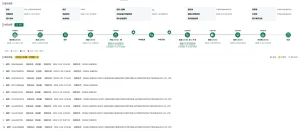
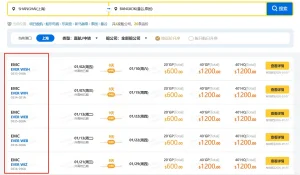
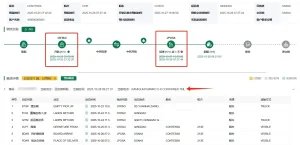
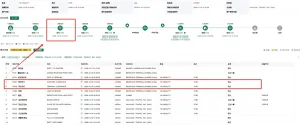
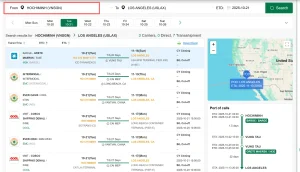
Explore our core global logistics APIs and monitoring solutions engineered to minimize delays and enhance visibility.
Over-Dimensional (OD) cargo, also referred to as Out-of-Gauge (OOG) or heavy-lift freight, defines cargo that exceeds the standard dimensions of standard ISO shipping containers. Managing the transit of colossal components—such as industrial gas turbines, wind turbine blades, heavy excavators, and prefabricated structures—demands high-fidelity operational precision.
Traditional logistics visibility structures frequently stumble when confronted with the unique complexities of OD logistics. Unlike standard container shipments, OD cargo is subject to strict regulatory corridors, complex multi-modal transshipment points, restricted bridge clearance paths, and port operations requiring specialized equipment like floating cranes. Therefore, securing real-time, sensor-driven OD Cargo Tracking is no longer an optional operations add-on—it is a critical pillar of corporate risk management and supply chain stability.
This industry document explores the dynamics of tracking structures, cost management frameworks, dynamic quoting mechanisms, and Chinese factory advantages in heavy manufacturing transport logistics, positioning your business to command full clarity over complex logistics flows.
How API-driven platforms leverage global networks to deliver highly accurate arrival time and location data.
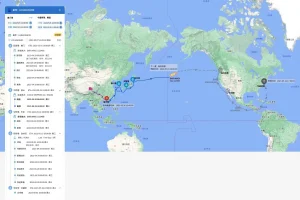
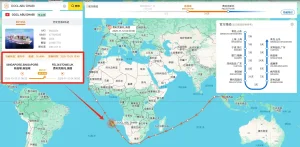
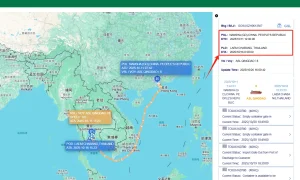
By blending terrestrial Automatic Identification System (AIS) receivers with deep-ocean satellite monitoring arrays, we deliver uninterrupted real-time tracking coordinates for ocean vessels handling heavy-lift cargo, bypassing standard blindspots in deep seas.
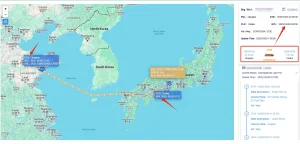
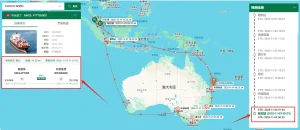
Our platforms actively compute weather pattern delays, harbor congestion backlogs, historical port turnaround timelines, and route deviations. This offers global supply chain teams highly dynamic and accurate estimated times of arrival (ETA) and departure (ETD).
For high-value industrial machinery, we support integration of specialized IoT devices to continuously capture parameters like temperature, relative humidity, tilt deviations, and impact shocks, ensuring the mechanical integrity of delicate cargo.
Why manufacturing hubs in China maintain an structural edge in managing complex logistics flows for heavy machinery.
China is home to the world's most advanced heavy industrial production bases. From wind power turbines in Shandong and Jiangsu, to massive excavators in Hunan, and steel structure elements in Zhejiang, factories operate in tight integration with logistics corridors. This localized concentration enables transport operators to acquire decades of highly specialized experience handling complex cargo profiles, reducing errors in route clearance surveys and load calculation schemes.
Chinese ports like Shanghai, Ningbo-Zhoushan, and Qingdao feature world-class deep-water terminals equipped with state-of-the-art heavy-lift equipment (such as ultra-large double-trolley quay cranes and specialized floating derrick cranes). Because major domestic factories are positioned near extensive inland waterway systems (such as the Yangtze River Basin), heavy machinery can be loaded directly onto specialized barges and transferred efficiently to seaport export terminals, avoiding challenging highway clearances.
Chinese factories are global front-runners in implementing industrial ERP systems tightly bound with custom APIs. By integrating directly with logistics visibility platforms like Trackingeyes, domestic manufacturers can feed real-time production, customs clearance, and container stuffing schedules directly into global procurement databases. This synchronization bridges the cross-border last mile and eliminates administrative friction.
The global shipping and logistics paradigm is undergoing rapid structural transformation. Key indicators point toward a future dominated by open data interfaces and deep automation. Supply chain directors must adapt to three core trends:
How organizations deploy real-time monitoring to navigate challenging geographic bottlenecks.
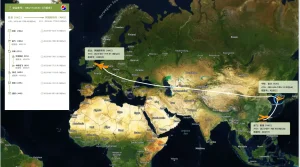
During transitions between rail systems in Central Asia or North America, track gauges and regulatory systems change. Real-time milestones and automatic border alerts help operators monitor transshipment delays and align crane operations at the border.
Deploying heavy equipment to coastal offshore wind farms or remote island industrial developments relies heavily on wave heights and tidal windows. Combining real-time AIS vessel tracking with local weather APIs ensures safety at ocean staging sites.
Navigating massive modules through metro areas requires close coordination. Real-time telemetry ensures logistics teams can monitor the exact location of heavy haulers, matching road police escorts to prevent costly urban gridlock.
Tailored architectural frameworks designed to satisfy the rigorous logistical requirements of global industrial sectors.
Wind energy logistics deal with oversized blades and turbine nacelles that are physically delicate and structurally complex. Our monitoring framework integrates precise shipping schedules, barge transfers, and final delivery updates, reducing crane standby charges that can exceed tens of thousands of dollars per day.
Large infrastructure projects utilize pre-assembled modules (such as refinery assemblies or mining processing plants) built in specialized foreign yards. Trackingeyes solutions tie these shipments directly to EPC scheduling systems, ensuring components land at construction sites in the exact sequence required for assembly.
For large roll-on/roll-off (RoRo) automotive shipments and agricultural equipment, we supply high-capacity API tracking that maps transit history, terminal gate status, and multi-carrier movements on a single dashboard, keeping regional dealers updated.
Enterprise procurement teams select tracking platforms based on stringent operational standards. System reliability, response speed, and data security are paramount. Key service level expectations include:
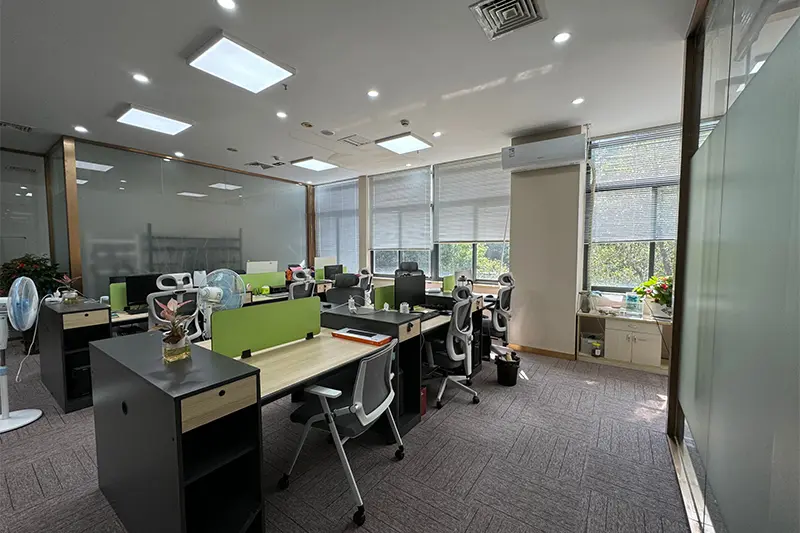
A decade of specialized experience in global end-to-end supply chain visibility.
Founded in 2015, Trackingeyes is a leading provider of global end-to-end logistics tracking and supply chain visualization solutions. With a founding team boasting over ten years of logistics expertise, we deeply understand industry pain points. We specialize in global end-to-end cargo tracking by sea and air, serving thousands of import and export enterprises worldwide. Our services include customizable tracking solutions and open API data interfaces to enhance supply chain visibility and operational efficiency.
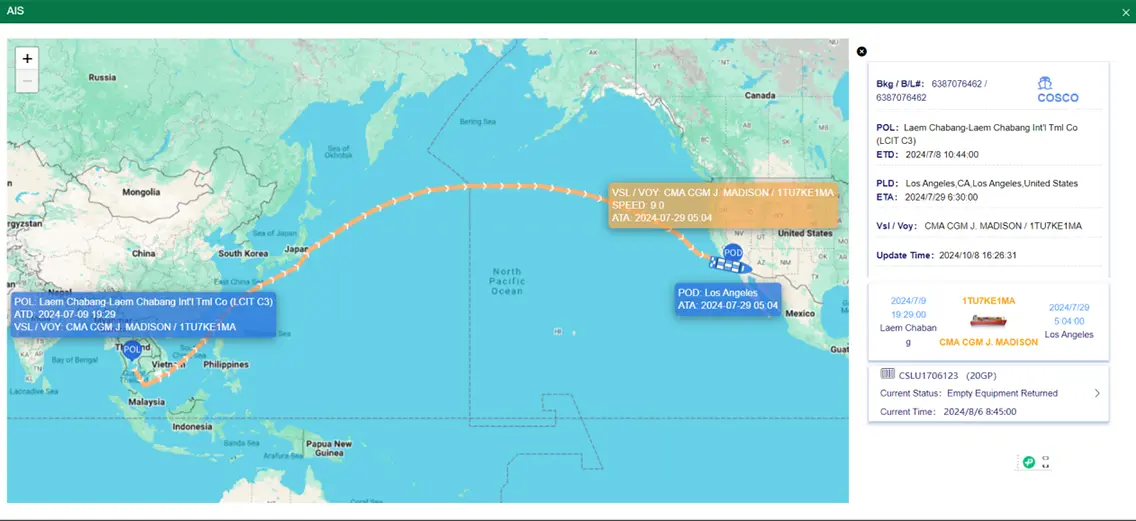
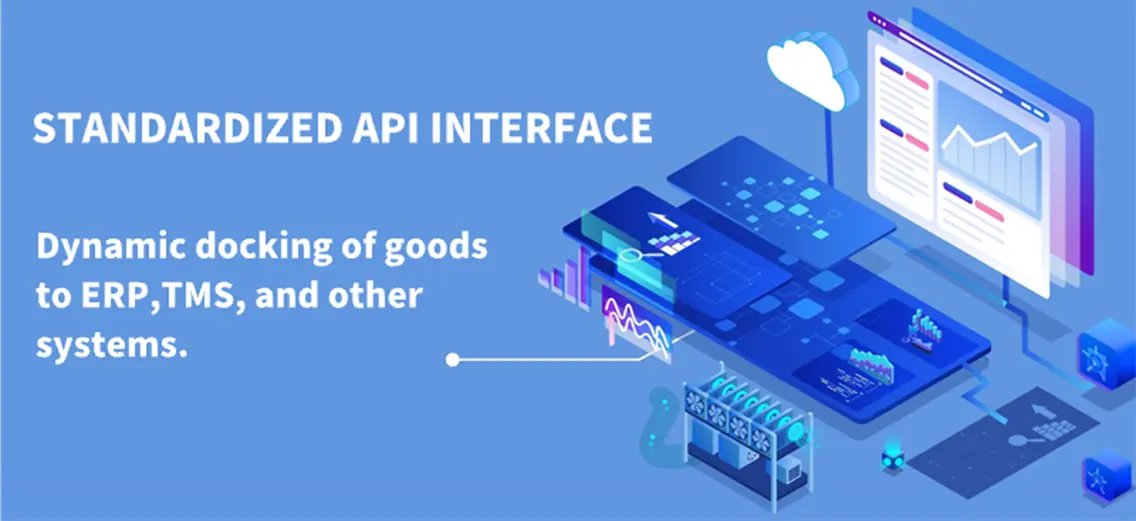
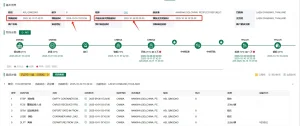
The platform achieves full chain data coverage from the source to the terminal through the collection and aggregation of data sources, including logistics information from various data sources such as stations, terminal, customs, shipping companies, and airlines.
Through the Trackingeyes’ Platform, customers can quickly connect with hundreds of global data sources, greatly improving the efficiency and intelligence of logistics tracking.
Unlock end-to-end visibility with our trusted tracking platform. We bring proven reliability to both ocean and air cargo tracking, giving you the accurate data and control needed to streamline operations from port to runway.
Contact usTransparent, tier-based tracking solutions to fit diverse enterprise requirements.
Determining rates for tracking systems depends on monthly tracking volume, API request frequency, and supplemental features like custom sensor telemetry. Below is a breakdown of our pricing structure:
| Tier level | Features & API Limits | Ideal Use Case | Pricing Est. |
|---|---|---|---|
| Startup / Growth | Up to 1,000 monthly trackings, basic AIS tracking, email support, standard web portal access. | Growing freight forwarders and local import/export trading firms. | $199 / Month |
| Professional API | Up to 10,000 monthly trackings, full API integration, predictive AI ETA, Port opening/closing alerts. | Mid-size 3PLs and industrial manufactures with ERP integrations. | $599 / Month |
| Enterprise Custom | Unlimited trackings, dedicated server options, multi-sensor IoT support, 24/7 account manager, customized SLA. | Global EPC contractors, multi-national automotive brands, major ocean shipping lines. | Custom Quote |
*Note: Pricing estimations are indicative and can vary based on custom ERP adaptations and direct IoT device provisioning. Contact sales for tailored project quotes.
Answers to common operational and technical questions regarding OD Cargo Tracking.
Enhance operational efficiency and visibility with our custom API and tracking tools.
 Trackingeyes