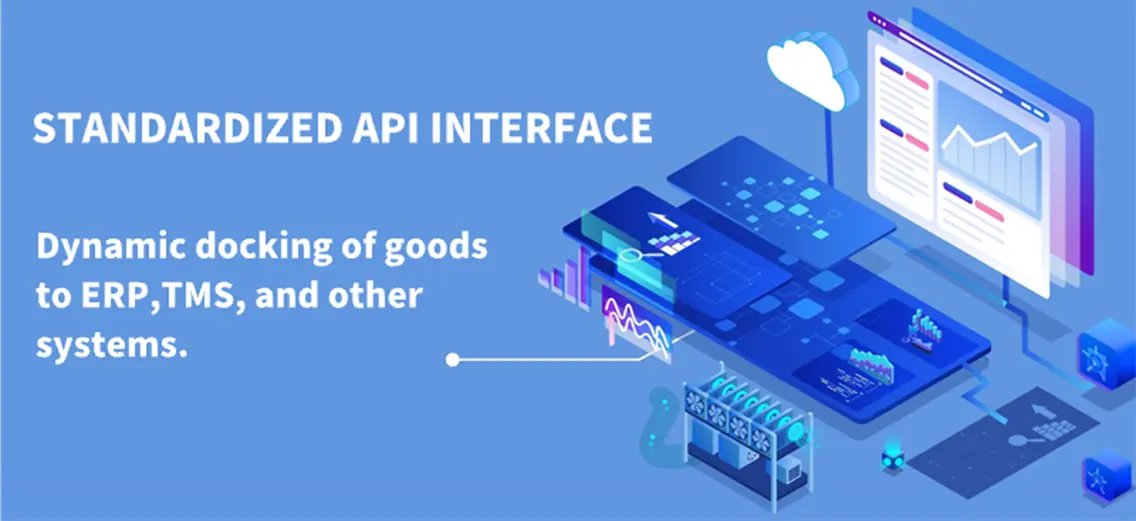
Deploy our high-fidelity, API-first logistics engines to eliminate blind spots, streamline custom portals, and achieve intelligent schedule automation.
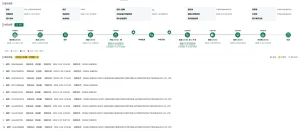
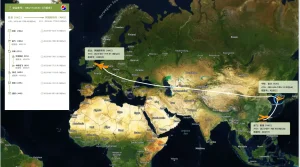
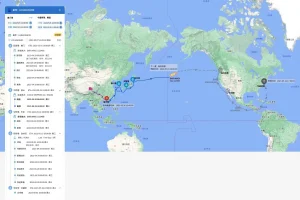
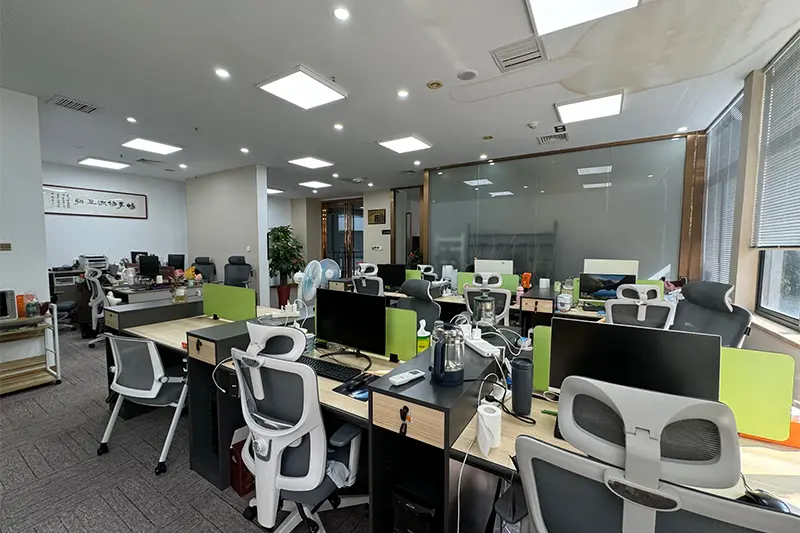
Founded in 2015, Trackingeyes is a leading provider of global end-to-end logistics tracking and supply chain visualization solutions.
With a founding team boasting over ten years of deep-domain logistics expertise, we resolve critical supply chain blind spots and complex carrier telemetry challenges. We specialize in global end-to-end cargo tracking by sea and air, serving thousands of import and export enterprises, freight forwarders, NVOCCs, and enterprise shippers worldwide. Our services include customizable tracking portals and robust, open API data interfaces designed to enhance operational agility, predict risk, and control costs.
The Trackingeyes platform achieves comprehensive, full-chain data coverage from origin to final destination. By aggregating and cleaning unstructured data from hundreds of global sources—including ocean terminals, rail yards, customs gateways, maritime AIS transponders, and airline cargo networks—we deliver harmonized, machine-readable datasets that fuel modern enterprise resources.
Unlock complete end-to-end visibility with our trusted tracking platform. We bring proven reliability to ocean, rail, and air cargo tracking, giving you the accurate data and granular control needed to streamline operations from port to runway.


How real-time tracking standards across 860 key global transport corridors are redefining predictability, risk mitigation, and commercial supply chain margins.
In the modern macroeconomic climate, supply chains span dozens of jurisdictions, operators, and data protocols. Shippers traditionally rely on container milestoning data sent via legacy EDI (Electronic Data Interchange) transmissions. However, these systems exhibit latencies ranging from 12 to 36 hours and fail to capture real-time route deviations.
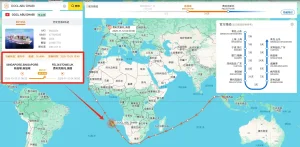
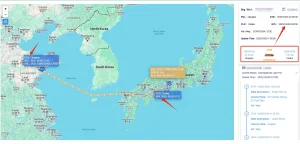
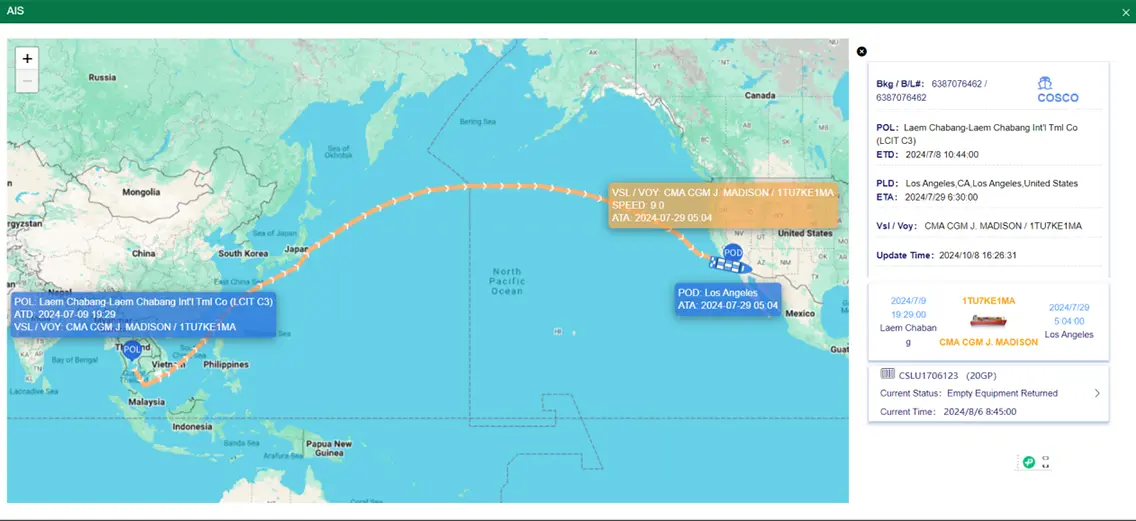
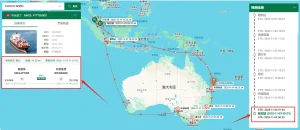
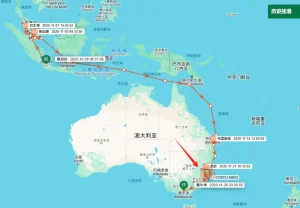
Our core 860 Cargo Tracking architecture resolves this by directly tapping into real-time AIS (Automatic Identification System) vessel telemetry, primary aviation transponders, customs clearance feeds, and port gate operations. This eliminates the reliance on singular data carriers, giving forwarders and shippers predictive visibility over dynamic port congestions, weather detours, and dwell-time anomalies.
The shipping industry is transitioning rapidly from *reactive visibility* (knowing where a container is) to *prescriptive visibility* (knowing when a container will arrive, what bottleneck it will hit, and how to proactively re-route it). By leveraging machine learning models trained on historical lane delays and meteorological patterns, Trackingeyes dynamically adjusts estimated times of arrival (ETA). Our software continuously simulates vessel voyages, matching real-time ship speed and draft metrics with active terminal queues, giving downstream logistics operators up to 48 hours of advance notice regarding impending supply chain delays.
Integrating high-density tracking data feeds seamlessly within proprietary ERPs, TMS, and warehouse management software.
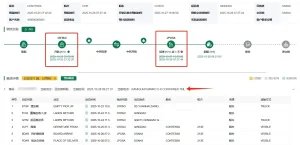
Through our standard RESTful API interfaces, tracking changes and critical cargo milestones are automatically written back to internal enterprise resource planning (ERP) suites and front-end customer support platforms.
This seamless, automated data writing enables cross-border e-commerce networks, multinational manufacturers, freight forwarders, and logistics software platforms to execute instant hazard response alerts, automate customs declarations, and manage destination storage charges dynamically.
"Integrating the API transformed our customer portal. We've dropped status check-in emails by 42% while improving customer trust indices across the board."
— Chief Operating Officer, North American Intermodal Logistics
Normalize unstructured EDI documents, terminal messages, and transponder pings into unified JSON payloads containing clean timestamps.
Secure enterprise data transactions with military-grade SSL, key rotation policies, and reliable automated retry loops.
Configure automatic notifications for customizable deviations, including route exceptions, port delays, customs delays, and sudden ETA revisions.
Connecting silos to drive operational predictability and proactive inventory management.
Traditional container tracing is a siloed process. By unifying ocean, rail, and destination operations into a single pane of glass, we enable procurement and warehouse managers to align labor schedules with actual cargo arrivals.
Whether managing high-volume transpacific ocean lanes or highly time-sensitive air cargo imports, the Trackingeyes visual interface and data platform provide decision-makers with the raw analytics required to reduce demurrage charges and enhance customer trust.
Ensuring high-fidelity tracking metrics across regional choke points and multi-modal transfer nodes.
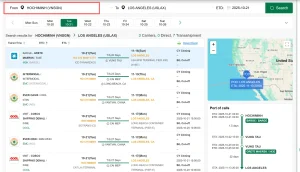
Addresses intermodal congestion across key rail terminals and major ports (LA/Long Beach, New York/New Jersey). Seamlessly tracks transition events from ocean carrier to North American rail networks.
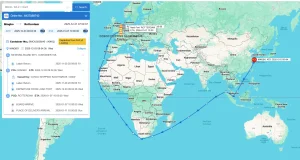
Real-time tracking for complex ocean routes. Integrates marine AIS systems to predict arrival delays at regional European and Asian hubs, allowing teams to navigate localized disruption vectors.
Unifies customs clearance processing status with domestic logistics carrier feeds, bridging the gap between import declaration and final port dispatch.
Compare our tracking configurations and integration architectures to select the optimal model for your operations.
| Tracking Parameter | Legacy EDI Feeds | Trackingeyes Core API | Advanced AI predictive Engine |
|---|---|---|---|
| Update Frequency | 12 - 24 Hours (Delayed) | Near Real-Time (Customizable webhook interval) | Real-time streaming via AIS and transponder updates |
| ETA Accuracy Variance | ± 36 Hours | ± 6 Hours | ± 2 Hours (Calculated via machine learning models) |
| Coverage Scope | Single-carrier EDI only | Multimodal (Sea, Air, Rail, Terminal) | Global coverage with automated customs checkpoints |
| Security Protocol | Secure FTP / Flat file | REST API with OAuth 2.0 | OAuth 2.0, Webhook signatures, End-to-end encryption |
| Exception Alerting | None (Manual lookup required) | Status-based trigger warnings | AI-driven predictive exception alerts |
Deep dive technical answers regarding integration, coverage, data integrity, and predictive logic.
Deploy our vessel position systems, AI ETA engines, and cross-border integrations to optimize your international cargo movements.
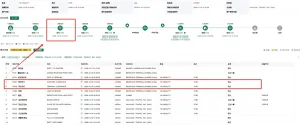
Streamline intermodal transport handoffs and minimize terminal congestion delays.
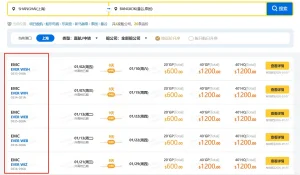
By integrating tracking metrics from sea, air, rail, and port operations, our platform assists international logistics enterprises, cross-border e-commerce networks, and corporate shippers in achieving unified cargo visibility.
This data synchronization enables supply chain managers to identify and mitigate risks, helping teams manage port wait times and keep warehouse inventory levels aligned with actual container arrivals.
 Trackingeyes