A delayed Vessel Schedule can disrupt more than a departure date. It can affect warehouse space, trucking appointments, inventory planning, and customer promises. One missed sailing may create several days of extra waiting at the port. Sometimes, the delay begins before the container reaches the terminal.
Weather is a common cause. Strong winds, dense fog, rough seas, or typhoons can slow vessel operations. Port congestion can create another obstacle, especially when several ships arrive together. Equipment shortages, labor constraints, customs inspections, and terminal closures may also change the planned timeline. Carriers often update schedules because of these operational conditions, not because the original booking was ignored.
Small details matter. A container may show “gate-in” but still miss the vessel’s cutoff. A ship may leave the port while your cargo remains at the terminal. This can happen when documentation, weight information, or loading instructions are incomplete. It is frustrating, and tracking systems are not always perfectly synchronized.
This guide explains the main reasons behind Vessel Schedule delays and the signals worth checking. It also considers what shippers can verify with carriers, freight forwarders, and port systems. Experienced logistics teams usually compare the booking confirmation, terminal events, estimated time of departure, and revised arrival time. No single status tells the whole story.
Delays are sometimes unavoidable. Better visibility still helps. By examining each stage, you can make more realistic decisions, communicate clearly, and reduce the risk of repeating the same planning mistake.
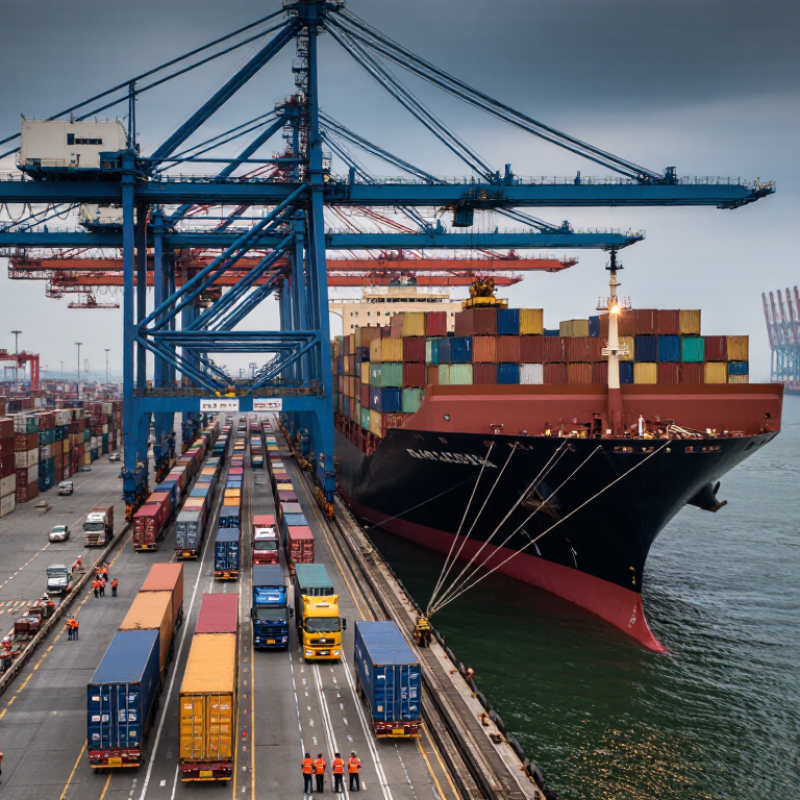
A vessel schedule delay means the planned departure, arrival, or connection has changed. A vessel schedule is a plan, not a promise. The new estimated time of arrival may move by hours or several days. Your container may also miss its connecting vessel, even when the first vessel arrives close to schedule.
Common causes include port congestion, severe weather, berth shortages, labor disruptions, equipment imbalances, and slow inland transfers. A blank sailing can remove a planned departure entirely. During transshipment, one missed connection may create another delay. The cargo can remain safely inside a terminal while its digital status appears unchanged. Tracking data can lag, so the first estimate is not always reliable.
The scale of maritime transport makes these disruptions significant. UNCTAD’s Review of Maritime Transport 2024 states that shipping carries over 80% of global merchandise trade by volume. A December 2024 global liner performance report recorded schedule reliability at only 54.6%. In practical terms, nearly half of monitored vessel movements missed their published schedules. That figure is useful, but not perfect; routes, ports, and reporting methods differ.
Check the latest vessel position, revised ETA, terminal availability, and transshipment status. Ask whether the delay affects delivery, customs timing, storage costs, or onward transport. Do not rely on one tracking screen. A carrier message and terminal record may tell different parts of the story. The uncomfortable reality is simple: an unchanged ETA can still conceal a missed connection.
Why Is My Vessel Schedule Delayed?
Common Causes of Vessel Schedule Delays
A vessel schedule is an estimate, not a promise. Weather is one common cause, especially when strong winds close a port entrance. Dense fog can also slow pilot transfers, berthing, and cargo operations. Even a short closure may affect several later sailings.
Port congestion creates another delay. A vessel may wait offshore because no berth is available. Once alongside, cranes may work slowly because of equipment faults, labor shortages, or heavy container volumes. Missed terminal cutoffs can add more time. A container arriving after the 4 p.m. gate deadline may remain behind, even when the vessel departs as planned.
Operational issues can be less visible. A technical inspection may extend the port stay. Cargo documentation errors can hold a container before loading. Transshipment delays may occur when the connecting vessel has limited space. Inland trucking problems can also make a shipment appear late, although the vessel is moving normally.
Schedules sometimes change without a clear explanation. That is frustrating. Planners should compare the original estimate with port event updates and container milestones. Ask for the latest confirmed departure, not only the published schedule. Add buffer time before important delivery dates. I have seen teams rely too heavily on one tracking screen, then miss a revised cutoff. The better approach is to check several operational updates and question assumptions early.
More than 80% of global merchandise trade by volume moves by sea, according to the United Nations Conference on Trade and Development’s Review of Maritime Transport 2024. A vessel delay can therefore affect far more than one shipment. A missed port window may push cargo to the next sailing. The container then waits beside a crane, sometimes for several days.
The impact often spreads inland. A three-day vessel delay can become a week when customs clearance, truck appointments, rail connections, and warehouse labor are already booked. Global liner schedule-reliability data averaged about 55% in 2024. Nearly half of published arrival times were missed. That figure deserves attention. Delivery promises may be built on schedules that are not stable enough.
In daily operations, the first visible problem is often an empty loading bay. The final consignee may face stock gaps, urgent replacement orders, or extra storage charges. Temperature-sensitive cargo requires even closer monitoring, with alerts linked to revised arrival times. Teams should update the estimated time of arrival after every port change, not only after the vessel sails. I have seen planning fail because one optimistic date stayed in the system too long. The better practice is to keep a realistic buffer and record the reason for each revision. (UNCTAD, Review of Maritime Transport 2024; Global Liner Schedule Reliability Report, 2024)
Why Is My Vessel Schedule Delayed?
A delayed vessel schedule often begins with a changed estimated time of arrival. Check the booking portal, carrier notice, and destination port updates. Record each update with its date and time. A screen showing “delayed” is not enough evidence. Compare the vessel name, voyage number, and port rotation carefully. A similar vessel may appear in the search results.
Use the vessel’s tracking reference to review its latest position and movement history. Automatic identification system data can show whether it is waiting offshore, moving slowly, or already berthed. However, tracking signals may be incomplete or several hours old. I once treated an old position as current and gave the wrong delivery estimate. That mistake was avoidable. Check the data timestamp.
Then contact the carrier’s operations or customer service team with precise details. Include the booking number, container number, original arrival date, and revised estimate. Ask whether the delay affects discharge, customs processing, terminal pickup, or the next connecting vessel. Request written confirmation when possible. Verify the reply against the port’s public schedule. Delays can change again. Keep checking.
Why Is My Vessel Schedule Delayed?
Vessel schedules can change because of port congestion, weather, equipment shortages, or operational inspections. A planned departure is not a guarantee. When the schedule shifts, check the latest notice from the carrier, freight forwarder, or terminal. Compare the original vessel name, voyage number, estimated departure, and estimated arrival. Small differences can reveal a rollover or a revised sailing.
Act quickly. Ask for the confirmed booking status and the reason for the delay. Request updated cut-off times for cargo delivery, customs documents, and verified weight information. Keep every notice, email, and reference number in one file. This creates a clear record if dates change again. I have seen teams rely on an old schedule and miss a new terminal deadline. That mistake is avoidable.
Review the arrival plan with your warehouse, transport provider, and customer. Adjust labor, storage space, delivery appointments, and inventory expectations. If the cargo has strict timing needs, ask about alternative sailings or routing options. Check the cost and transit risk before approving a change. Do not promise a new delivery date until the revised arrival is confirmed. Schedules can move twice. Sometimes, the first update is still incomplete.
| Schedule Change | Common Operational Cause | Typical Effect | Information to Confirm | Recommended Immediate Action | Priority |
|---|---|---|---|---|---|
| Estimated Time of Departure (ETD) delayed | Late cargo readiness, terminal congestion, equipment shortages, or a previous port delay | Cargo leaves the origin later than planned and the arrival estimate may also move | New ETD, revised cut-off time, cargo receiving status, and documentation status | Ask for the latest confirmed sailing and verify whether the cargo can still meet the revised terminal cut-off | High |
| Estimated Time of Arrival (ETA) delayed | Bad weather, slow steaming, port congestion, vessel traffic, or schedule recovery measures | Delivery, customs processing, inland transport, and warehouse appointments may need to be rescheduled | Latest ETA, arrival terminal, discharge sequence, and free-time conditions | Update the delivery plan and notify the consignee, customs representative, and inland carrier | High |
| Port omission or skipped call | Severe congestion, weather restrictions, labor disruption, draft limitations, or network recovery planning | Cargo may be discharged at an alternative port or remain on board for a later call | Alternative discharge port, transshipment plan, additional transit time, and extra charges | Request written routing instructions and confirm who will arrange onward transportation | Critical |
| Transshipment connection missed | First-leg delay, insufficient connection time, terminal handling constraints, or vessel rollover | Cargo waits for the next available connecting vessel and the final ETA changes | New connecting vessel, connection port, revised ETA, and container movement status | Obtain the next confirmed connection and check whether priority loading or an alternative routing is available | High |
| Vessel rolled to a later sailing | Overbooking, late cargo arrival, equipment imbalance, terminal restrictions, or operational prioritization | The booking moves to a later vessel without necessarily changing the original routing | New vessel name or voyage reference, revised ETD, cut-off time, and booking confirmation | Request a confirmed replacement sailing and evaluate the cost and timing of other available options | High |
| Blank sailing or service cancellation | Planned capacity reduction, vessel maintenance, network restructuring, or prolonged port disruption | The scheduled voyage is removed and cargo must be rebooked or rerouted | Replacement service, booking validity, cargo availability, and revised transit time | Request alternative sailings immediately and compare total transit time, handling points, and charges | Critical |
| Cargo gated in but not loaded | Late vessel arrival, stowage changes, documentation hold, customs issue, or terminal receiving limitation | The container remains at the terminal and may incur storage or detention-related costs | Load status, next planned vessel, release status, terminal storage rules, and documentation holds | Confirm the cargo location and ask for a written explanation of the rollover and next loading plan | Critical |
| Schedule changed with no clear reason | Data synchronization delay, preliminary schedule update, operational change, or incomplete status reporting | Planning decisions may be based on outdated or conflicting information | Timestamp of the update, source of the status, latest vessel position, and confirmed milestone | Use the most recent verified update and request confirmation from the operating party before changing transport arrangements | Medium |
| Arrival date changes repeatedly | Ongoing congestion, weather uncertainty, berth waiting time, or fluctuating operational estimates | Delivery appointments and inventory planning become unreliable | Vessel position, berth assignment, port congestion, latest ETA confidence, and discharge forecast | Plan with a reasonable time buffer, monitor milestone updates daily, and avoid committing to a fixed delivery slot too early | Medium |
It means the planned departure, arrival, or connection has changed. The new ETA may move by hours or several days.
Common causes include port congestion, severe weather, berth shortages, labor disruptions, and equipment imbalances. Inland transport can also slow the cargo.
Yes. The first vessel may arrive nearly on time, but your container can still miss its connection. Transshipment delays can multiply quickly.
Check the booking portal, carrier notice, and destination terminal record. Compare the vessel name, voyage number, and port rotation carefully.
Yes. Tracking signals may be incomplete or several hours old. Check the data timestamp. A blank screen proves very little.
Provide the booking number, container number, original arrival date, and revised ETA. Ask about discharge, customs timing, terminal pickup, and connections.
Save every notice and update. Review warehouse labor, storage space, delivery appointments, and inventory plans. Do not promise a new delivery date too early.
It may affect storage, customs timing, inland transport, and delivery appointments. Ask for possible charges in writing. The first estimate may still be incomplete.
A Vessel Schedule delay means that a ship will not arrive at, depart from, or pass through a planned port at the originally announced time. Delays may result from severe weather, port congestion, equipment problems, inspections, labor shortages, limited berth availability, or changes in the carrier’s operating plan. Even a short delay can affect connecting transportation, warehouse arrangements, inventory planning, and final delivery dates.
To track and confirm a delayed vessel, check the latest schedule updates, shipment references, port notices, and status information provided by the relevant shipping contact. When a schedule changes, confirm the revised estimated time of arrival and departure, review any changes to connecting services, and notify warehouses, transport providers, and customers as needed. It is also helpful to allow extra time for cargo handling and inland transportation, while monitoring updates until the shipment is safely delivered. Prompt communication and careful planning can reduce disruption and support better delivery decisions.

Trackingeyes