Ship AIS, or Automatic Identification System, has revolutionized maritime navigation and trade. Its primary role is to provide real-time information about ship movements. This system enhances safety and efficiency in global shipping routes. With Ship AIS data, buyers can track vessel locations and estimate arrival times. This transparency helps in supply chain planning.
By accessing Ship AIS information, global buyers can communicate effectively with suppliers. They can anticipate delays and make informed decisions. Reliable tracking reduces uncertainty in shipping schedules. However, not all users leverage this technology fully. Some still rely on traditional tracking methods.
Understanding Ship AIS can create significant advantages. Companies can improve logistics by utilizing this data effectively. Still, there are challenges, like data overload. Buyers must learn to navigate this information wisely. Embracing Ship AIS is essential for optimizing global trade in today’s market.
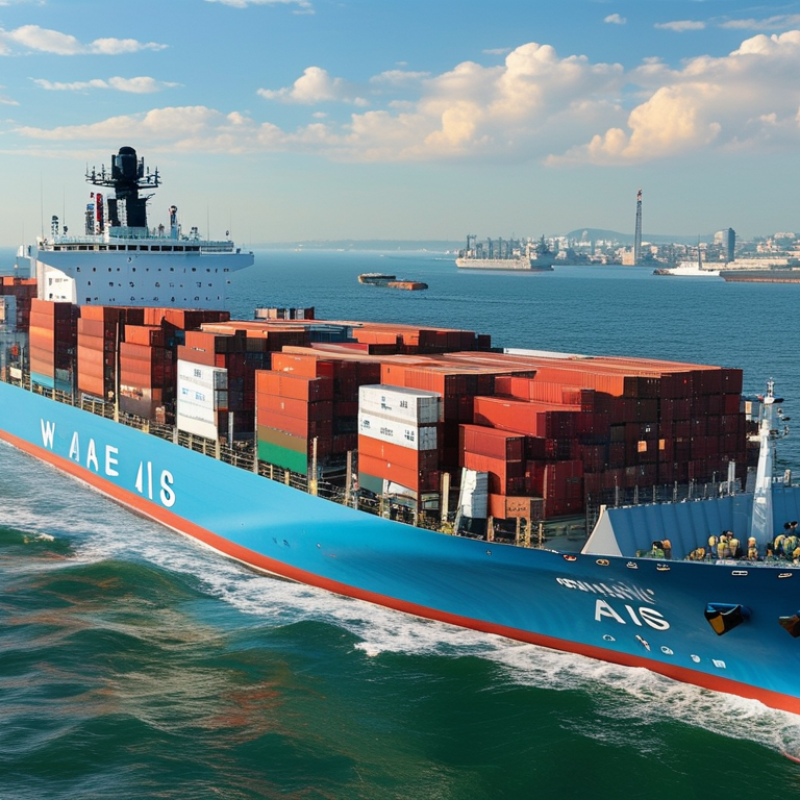
What is Ship AIS?
Ship AIS, or Automatic Identification System, plays a crucial role in maritime navigation. This system enables vessels to transmit real-time information, like their identity, position, speed, and course. Ships equipped with AIS enhance safety and efficiency at sea, benefiting not only the vessels themselves but also the broader maritime community.
One notable aspect of AIS is its reliability. It aids in collision avoidance by allowing nearby vessels to see each other’s movement. This technology significantly reduces the risks of maritime accidents, even in busy shipping lanes. However, the effectiveness of AIS depends on the consistent operation of equipment and proper training for crew members.
Tips for using AIS effectively: include regularly maintaining your equipment to ensure accurate data transmission. Additionally, all crew members should be trained to understand AIS alerts and signals. This knowledge can lead to quicker decision-making in emergencies. It’s also important to be aware of potential limitations, such as interference in areas with high traffic or poor signal conditions. Understanding these nuances can help optimize the AIS benefits for safer voyages.
The Technology Behind Ship AIS
Ship AIS, or Automatic Identification System, is a vital tool in maritime navigation. This technology helps in tracking vessels in real-time. Ships broadcast their position, speed, and course. This information is crucial for safety at sea and efficient shipping operations.
For global buyers, understanding AIS can be deeply beneficial. It provides visibility into shipping activities. Buyers can track shipments and manage logistics better. This leads to fewer delays and improved supply chain efficiency. However, relying solely on AIS data is not foolproof. Physical conditions and human error can impact accuracy.
Tips: Always verify AIS data with other sources. Do not solely depend on one technology for decision-making. Regular training on AIS updates can enhance your team's efficiency. Being aware of potential limitations improves your response strategies. This proactive approach can save time and costs. Knowledge is power in international shipping.
Key Features and Functions of Ship AIS
Ship AIS, or Automatic Identification System, is a critical tool for maritime navigation. Its primary function is tracking vessels in real-time. It operates by sending and receiving information from ships, including their identity, course, and speed. This data helps in collision avoidance and enhances maritime safety. The technology is widely adopted by shipping companies and port authorities to monitor traffic effectively.
Key features of AIS include its ability to update position every few seconds. This ensures timely information flow, allowing ship operators to make informed decisions. AIS also provides details about a vessel’s destination and estimated time of arrival. This functionality can streamline logistics for global buyers, improving supply chain efficiency. However, reliance on technology can sometimes lead to complacency. Human oversight remains essential for safety.
Another notable feature is the ability to integrate AIS data with other navigational tools. This creates a comprehensive picture of marine traffic. Users can access past data, which can aid in route planning and risk assessment. While AIS is mostly reliable, it is not infallible. Disruptions like signal loss may occur, reminding users to combine it with traditional navigation methods. It becomes clear that while AIS significantly benefits maritime operations, a balanced approach is crucial.
Global AIS Usage by Region (2023)
Benefits of Ship AIS for Global Buyers
Ship AIS, or Automatic Identification System, plays a critical role in enhancing maritime operations. For global buyers, it offers real-time data on vessel movements. According to the International Maritime Organization, nearly 90% of world trade relies on shipping. AIS provides transparency in tracking ships, which helps reduce risks and increase efficiency. Real-time visibility can decrease shipping delays significantly, saving time and money.
The data from various maritime studies indicates that nearly 78% of ship-related issues can be resolved faster with AIS information. Buyers can access information about a vessel's location, speed, and estimated time of arrival. This empowers decision-makers in logistics to plan better. For instance, when weather disruptions occur, quick access to AIS data allows for timely rerouting. Moreover, AIS can enhance security by enabling the identification of suspicious vessels in sensitive shipping routes.
However, reliance on technology requires caution. AIS can be subject to inaccuracies or data manipulation. Thus, while it provides essential insights, verification from reliable sources is crucial. Even with these potential pitfalls, the benefits of Ship AIS for global buyers are overwhelming. Enhanced operational efficiency and increased cargo safety are compelling rewards. The key is balancing technology use with critical thinking and thorough verification.
Real-World Applications of Ship AIS in Maritime Trade
Ship AIS, or Automatic Identification System, plays a crucial role in maritime trade. This technology allows vessels to transmit their position, course, and speed in real-time. For global buyers, this information is vital for tracking shipments and ensuring timely deliveries.
Real-world applications of Ship AIS can be seen in various scenarios. For instance, logistics companies use AIS data to optimize shipping routes. By analyzing this information, they can avoid congested waters and reduce fuel consumption. Additionally, buyers can monitor their cargo's journey, enhancing transparency and trust with suppliers.
Tips: Regularly check AIS updates. Consider using mobile applications for live tracking. This can provide peace of mind about shipment status.
However, reliance on AIS may have its drawbacks. Not all vessels are equipped with this technology. Some may disable their transponders to avoid detection. Thus, buyers must consider alternative methods for verification, like regular communication with shippers.
Incorporating Ship AIS into maritime operations greatly benefits global trade. It allows for improved efficiency but should be viewed alongside other tracking methods for a comprehensive approach. Balancing these tools ensures better oversight and mitigates potential risks.
FAQS
AIS enhances safety by allowing ships to see each other's movements, which helps in avoiding collisions.
AIS updates vessel positions every few seconds, provides destination details, and integrates with other navigational tools.
Proper crew training is essential for understanding AIS alerts, which enables quicker decision-making during emergencies.
Regularly maintain AIS equipment and verify data with other sources to ensure accurate information transmission.
Yes, AIS can be affected by physical conditions and human error, so it's not always foolproof.
AIS helps global buyers track shipments and manage logistics better, leading to fewer delays.
Technology can create complacency; human oversight is essential for ensuring safety and critical decision-making.
Users should combine AIS data with traditional navigation methods to maintain accuracy and safety.
Yes, access to past AIS data aids in route planning and risk assessment, contributing to informed maritime operations.
Conclusion
Ship AIS, or Automatic Identification System, is a vital technology utilized in maritime navigation, allowing vessels to communicate their position and information to other ships and coastal authorities. This system employs advanced technology to track ship movements and enhance navigational safety. Key features of Ship AIS include real-time tracking, collision avoidance, and enhanced situational awareness, which are crucial for efficient maritime operations.
For global buyers, the benefits of Ship AIS are significant. It facilitates more informed decision-making by providing accurate shipping data, thus reducing risks associated with maritime trade. The real-world applications of Ship AIS extend to supply chain optimization, route planning, and monitoring vessel compliance. By leveraging Ship AIS, stakeholders in the maritime industry can achieve greater transparency and efficiency, ultimately benefiting their operations in today’s global marketplace.

 Trackingeyes